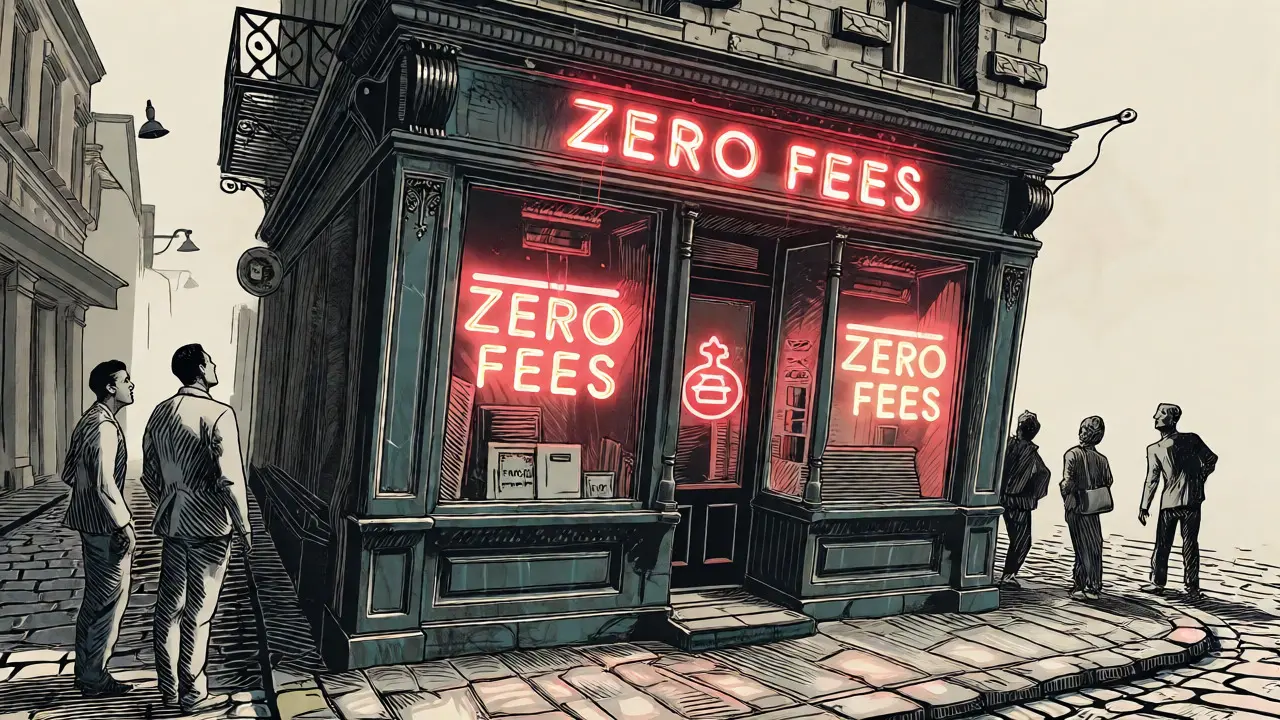
You see an ad for a new crypto exchange. It promises zero fees on spot trading and up to 5% APR on your savings. Sounds too good to be true? That’s usually because it is. Coinlocally is one of those platforms that pops up with flashy marketing but leaves you scratching your head about where your money actually goes. If you’re thinking about moving your Bitcoin or Ethereum there, you need the real story, not just the press releases.
This isn’t a generic "it’s okay" review. We dug into user reports, regulatory status, and technical specs to figure out if Coinlocally is worth your risk. Spoiler alert: The lack of regulation is a massive red flag that most beginners ignore until it’s too late.
What Exactly Is Coinlocally?
Coinlocally positions itself as a "next-generation crypto exchange." Launched roughly two years ago, it offers spot trading, margin, futures, and P2P transactions. On paper, it looks comprehensive. They claim support for over 300 altcoins and even boast compatibility with 600+ cryptocurrencies in their app listings. But here’s the catch: they operate without any valid regulatory license.
WikiFX, a reputable third-party assessment tool, flagged them in June 2024 with a clear warning: "No valid regulations." This means no government body oversees how they handle your funds. If they vanish tomorrow, you have no recourse. Compare this to giants like Binance, which operates under strict frameworks in Dubai and Abu Dhabi, or Coinbase, which has FDIC insurance for fiat deposits. Coinlocally sits firmly in the "wild west" category.
| Feature | Coinlocally | Binance/Coinbase |
|---|---|---|
| Regulatory Status | Unregulated | Licensed (VARA, ADGM, etc.) |
| Trading Fees | Zero (Promotional) | 0.1% - 0.6% |
| Max Leverage | 1:1000 | 1:25 (Retail EU limit) |
| User Trust Score | 1.9 / 5 (Poor) | 4.0+ / 5 (Good) |
The Zero-Fee Trap and High-Leverage Risks
The biggest selling point right now is their Zero-Fee Trading Campaign. You can trade spot pairs and select futures contracts without paying commission. Who doesn’t love free? But ask yourself: How do they make money? Unregulated exchanges often use unsustainable business models. Industry analyst Michael Green from Blockworks pointed out that exchanges offering 1:1000 leverage with zero fees typically prioritize user acquisition over security.
Speaking of leverage, 1:1000 is insane. For context, the EU’s MiCA regulations cap retail leverage at 1:25 to protect traders from wiping out their accounts in seconds. At 1:1000, a tiny market move can liquidate you instantly. If you’re a beginner, this isn’t a feature; it’s a trap. The platform markets itself as "Safe, Secure, and Reliable," but high leverage combined with no oversight is anything but safe.

User Experience: Bugs, Glitches, and Missing Bonuses
Let’s look at what actual users are saying. The App Store and Google Play reviews paint a rough picture. Users report that the mobile app is buggy and unstable. One reviewer noted that after an update, essential features like trailing stops disappeared, and chart options shrank from six types to four. Imagine trying to trade when your tools keep changing or breaking mid-session.
Then there’s the issue of promised bonuses. Many sign-ups are lured by promises of prizes or bonus funds. A common complaint? The bonuses never arrive. Users describe feeling forced to download the app and register with the promise of rewards, only to find empty promises. One user wrote, "They force you to download... but there are no bonuses. Just lies." When marketing doesn’t match reality, trust evaporates quickly.
Customer Support and Withdrawal Nightmares
If things go wrong, who do you call? Coinlocally claims 24/7 dedicated support. Reality tells a different story. Trustpilot reviews highlight severe delays. One user waited nine months for a resolution on a simple transaction error involving 500 XLM. In the crypto world, nine months is an eternity. Standard industry practice resolves such issues within days, not quarters.
There are also allegations of funds being "openly stolen" or stuck due to copy-trading bugs. Since the platform lacks regulatory backing, these disputes aren’t handled by an ombudsman or financial regulator. You’re essentially negotiating directly with a company that may not have your best interests at heart. The lack of transparency regarding their trading volume makes it hard to gauge liquidity, meaning large withdrawals could face unexpected hurdles.

Savings Products: Good Returns, No Protection
Coinlocally offers a "Savings" program with up to 5% Estimated APR on over 50 tokens. This sounds attractive compared to traditional bank rates. However, compare this to Coinbase Earn, which offers similar yields but comes with FDIC insurance on fiat holdings and clearer regulatory compliance. With Coinlocally, your yield comes with zero protection. If the platform fails or freezes withdrawals, that 5% return becomes irrelevant because you can’t access your principal.
Chainalysis reported that "liquidity mining" style exchanges-those offering high yields to attract capital-have seen average user fund loss rates of 63%. While Coinlocally isn’t explicitly labeled a Ponzi, the pattern of high yields plus low regulation fits the profile of high-risk vehicles that often collapse under scrutiny.
Who Should Consider Coinlocally?
Is anyone suited for this platform? Maybe experienced traders who understand the risks of unregulated venues and want to test small amounts of capital for specific altcoin pairs not found elsewhere. But even then, the technical instability of the app is a major hurdle.
For the vast majority of investors, especially those in the US (who are excluded anyway) or Europe, Coinlocally poses unnecessary risk. The $1 minimum deposit for crypto might seem accessible, but the potential cost of losing your entire balance due to a glitch or insolvency outweighs the convenience. Stick to regulated exchanges where your legal rights are protected.
Is Coinlocally regulated?
No. As of late 2025, Coinlocally does not hold any valid regulatory licenses from major financial authorities like the SEC, FCA, or ASIC. Third-party assessments like WikiFX classify it as having "no valid regulations," placing it in a high-risk category for consumer protection.
Does Coinlocally work in the USA?
Generally, no. Reports indicate that Coinlocally excludes US clients from its services. This is likely due to the stringent regulatory requirements imposed by the SEC on cryptocurrency exchanges operating within United States borders.
Are the zero trading fees permanent?
The zero-fee structure is currently part of a promotional campaign launched in November 2024. Promotional periods on unregulated exchanges often change without much notice. Always check the current terms before executing large trades, as standard fees may resume unexpectedly.
How secure is my money on Coinlocally?
Security relies entirely on the platform's internal controls since there is no external regulatory audit. While they claim cold storage and encryption, user reviews cite withdrawal issues and technical bugs. Without insurance or regulatory backing, your assets are at higher risk compared to licensed exchanges.
What are the main complaints about the app?
Users frequently complain about missing features after updates, such as removed chart tools and trailing stops. There are also reports of buggy copy-trading functions and slow customer support responses, with some tickets taking months to resolve.
The sheer audacity of marketing a platform with a WikiFX score of 1.9 as "Safe, Secure, and Reliable" is nothing short of grotesque.
We are witnessing the digital equivalent of selling snake oil to the desperate and the ignorant. When an exchange operates in the regulatory void, devoid of any oversight from entities like the SEC or FCA, they are not offering a service; they are extending an invitation to theft. The zero-fee gimmick is merely bait for unsuspecting lambs who lack the intellectual fortitude to read the fine print.
Consider the leverage ratio of 1:1000. This is not a trading tool; it is a financial guillotine waiting to drop on the necks of retail traders who mistake gambling for investing. In regulated markets, such excessive leverage is capped precisely because regulators understand that human psychology cannot withstand such volatility without wiping out entire portfolios in seconds.
To suggest that this platform offers "next-generation" technology when their own app loses basic charting features after updates is laughable. It reveals a company that prioritizes flashy marketing over functional stability. They are burning user capital to fund their customer acquisition costs, a model that is inherently unsustainable and predatory.
Furthermore, the promise of bonuses that never materialize speaks volumes about their integrity. If a company cannot deliver on its most basic promotional promises, why would one trust them with custody of assets? The nine-month wait for support resolution is not just poor service; it is a deliberate strategy to wear down users until they give up chasing their funds.
This is what happens when we allow unregulated entities to masquerade as financial institutions. We sacrifice security for the illusion of convenience. Every dollar deposited into Coinlocally is a vote against consumer protection and a gamble on the whims of anonymous operators.
The comparison to Binance or Coinbase is apt, but even those giants have faced scrutiny. Coinlocally has no such accountability. They exist in a vacuum where rules are written by the house, and the house always wins. For anyone serious about preserving wealth, this platform is a graveyard of good intentions.
I urge everyone to look beyond the shiny interface and the promised APR. Look at the regulatory status. Look at the user complaints. Look at the technical instability. The evidence points to one conclusion: Coinlocally is a trap for the unwary.
Do not let the fear of missing out drive you into the arms of a scam. The market will always offer opportunities, but lost capital may never return. Stick to venues that value your legal rights as much as your transaction fees.
In essence, this review confirms what many of us suspected: if it sounds too good to be true, it is likely designed to deceive you. Avoid this pitfall at all costs.
Listen up folks, I know some of you are itching to try this out because of the hype, but hold your horses!
We need to be real here. That 1:1000 leverage isn't a feature, it's a weapon pointed directly at your wallet. You think you're trading smart, but really you're playing Russian roulette with your savings. One tiny wiggle in the price and boom, you're liquidated. Gone. Just like that.
And don't get me started on the "zero fees." Nothing is free. If they aren't charging you, they are finding another way to make money off you. Maybe it's wider spreads, maybe it's slippage, maybe it's just that they don't care if you lose because they won't be there tomorrow.
I've seen guys blow up accounts trying to chase these high yields on unregulated platforms. It’s exciting for about two weeks, then panic sets in when withdrawals get stuck. Do not let your ego write checks your bank account can't cash.
If you want to trade altcoins, go somewhere legit. Yes, you pay fees. Yes, the leverage is lower. But guess what? Your money is actually yours. You can withdraw it. You can sleep at night.
Coinlocally feels like a casino dressed up as a bank. And in a casino, the house has all the advantages. Don't be the sucker sitting at the table thinking you beat the system.
Protect your capital. Protect your peace of mind. Walk away from the shiny objects and stick to the boring, reliable exchanges that actually have licenses.
You got this. Stay disciplined. Stay safe. Don't let greed cloud your judgment today!
It is fascinating, in a somewhat melancholic way, how the allure of high yield consistently overrides rational risk assessment.
We seem to collectively agree that unregulated environments pose significant threats to asset preservation, yet the psychological pull of "free" and "high APR" remains potent enough to draw new participants year after year.
Perhaps this reflects a deeper distrust in traditional banking systems, leading individuals to seek refuge in decentralized or semi-centralized alternatives, despite the evident lack of structural safeguards.
The mention of the nine-month support delay highlights a critical failure in operational infrastructure that goes beyond mere inconvenience; it suggests a fundamental misalignment between corporate priorities and customer welfare.
When liquidity mining schemes report loss rates upwards of sixty percent, it serves as a stark empirical warning that should temper our optimism regarding these newer entrants.
One must wonder if the target demographic for Coinlocally is truly seeking investment opportunities, or rather, entertainment disguised as finance.
The absence of FDIC insurance removes the safety net that many Americans implicitly rely upon, shifting the entire burden of solvency onto the private entity.
For the philosophical observer, this situation presents a case study in the tension between innovation and regulation, where speed often trumps stability.
Ultimately, the decision rests on individual risk tolerance, though the data presented here leans heavily toward caution.
We observe a pattern where marketing rhetoric outpaces operational reality, creating a gap filled only by user frustration.
It is prudent to view such platforms not as replacements for established exchanges, but as speculative vehicles with high friction costs.
The erosion of trust due to missing bonuses and buggy apps further compounds the inherent risks of the business model.
In conclusion, while the desire for higher returns is understandable, the method employed here appears fundamentally flawed from a governance perspective.
Thank you for sharing this detailed breakdown, it provides much needed clarity for those navigating these waters.
I appreciate the emphasis on regulatory status, as it is often the first thing overlooked in favor of fee structures and coin listings.
From my experience, working with licensed entities ensures that disputes have a clear path to resolution, which is invaluable during volatile market conditions.
The point about leverage caps being protective rather than restrictive is well taken and worth reiterating to newer community members.
It is also helpful to see specific examples of technical issues, as they illustrate the tangible impact on daily trading activities.
We should continue to encourage beginners to prioritize security over novelty, ensuring they build a foundation of safe practices.
Supportive guidance helps reduce the anxiety associated with entering the crypto space, especially when encountering mixed reviews.
Let us keep fostering an environment where questions are welcomed and informed decisions are celebrated.
Your analysis aligns with broader industry trends towards stricter compliance and transparency.
Wishing everyone success in their trading journeys with careful consideration of these factors.
Dude seriously avoid this place its a total mess and ur gonna lose ur money fast