You’re scrolling through the endless list of decentralized exchanges (DEXs), trying to find one that doesn’t eat your profits in gas fees or hide a rug-pull behind a slick interface. You’ve heard whispers about MonoSwap a decentralized cryptocurrency exchange operating on blockchain networks. Maybe it’s trending on Twitter, maybe a friend mentioned it in a Discord server, or maybe you just stumbled upon its token contract and wondered if it’s legit.
Here’s the harsh truth: MonoSwap isn’t a household name like Uniswap or PancakeSwap. It doesn’t have billions in daily volume or a massive marketing budget. But that doesn’t mean it’s useless. In fact, for certain types of traders-specifically those hunting for low-cap gems or looking for specific chain integrations-it might offer something the giants don’t. The catch? Information is scarce. If you’re reading this, you’re probably frustrated by the lack of clear data. Let’s cut through the noise. We’ll look at what MonoSwap actually offers, how it stacks up against competitors, and whether your money is safe there.
The Core Proposition: What Is MonoSwap?
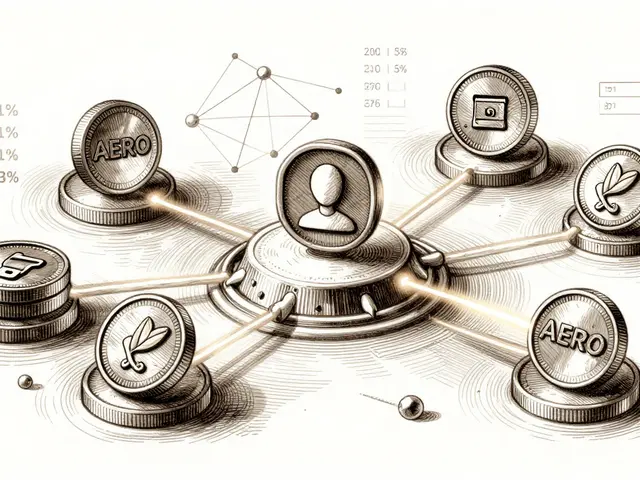
MonoSwap is a decentralized exchange (DEX) that allows users to trade cryptocurrencies directly from their wallets without an intermediary. Unlike centralized exchanges (CEXs) like Coinbase or Binance, where you trust a company to hold your keys, MonoSwap uses smart contracts to facilitate trades. This means you retain custody of your assets throughout the transaction.
Most reviews you find online are thin because MonoSwap operates in a niche segment of the market. It likely functions as an Automated Market Maker (AMM), similar to the model pioneered by Uniswap. In this setup, instead of matching buyers and sellers in an order book, trades happen against liquidity pools provided by other users. When you swap Token A for Token B, you’re interacting with a pool of both tokens held in a smart contract.
Why would anyone use a lesser-known DEX? Usually, it comes down to three things:
- Lower Fees: Smaller exchanges often compete by offering lower trading fees to attract volume.
- Unique Listings: New projects might launch exclusively on smaller DEXs before hitting major platforms.
- Chain Specificity: Some DEXs are built specifically for emerging blockchains that big players ignore.
If MonoSwap is gaining traction, it’s likely due to one of these factors. Without official documentation readily available, you have to treat it like any new DeFi protocol: verify before you trust.
Key Features and User Experience
When evaluating a DEX, the user interface (UI) and experience (UX) matter more than you think. A confusing layout can cost you time and money. While specific screenshots of MonoSwap’s current dashboard may vary, standard DEX features include:
1. Wallet Integration: You need to connect a Web3 wallet like MetaMask, Trust Wallet, or Phantom. MonoSwap should support the wallets compatible with its underlying blockchain. If it’s on Ethereum, expect high gas fees. If it’s on a Layer-2 solution like Arbitrum or Polygon, or a different L1 like Solana or Avalanche, costs drop significantly.
2. Swap Functionality: The core feature. You select the input token, the output token, and the platform calculates the rate based on current liquidity. Watch out for "slippage tolerance" settings. On low-volume pairs, slippage can be brutal. If you set it too low, your transaction fails. Too high, and you get a bad price.
3. Liquidity Provisioning: Can you earn yield by providing liquidity? Most AMMs allow users to deposit token pairs into pools and earn a portion of the trading fees. Check if MonoSwap has an APR (Annual Percentage Rate) calculator. Be skeptical of numbers over 100% APY unless they’re paid in volatile native tokens.
4. Cross-Chain Bridges: Does MonoSwap allow you to move assets from other chains easily? Integrated bridges save you the hassle of using third-party services, which are often targets for hacks.
Fees and Cost Structure
Let’s talk money. How much does MonoSwap charge? Since it’s a DEX, you pay two types of fees:
- Network Gas Fees: Paid to miners/validators for processing your transaction. This depends entirely on the blockchain congestion, not MonoSwap itself.
- Trading Fees: Paid to the protocol and liquidity providers. Standard rates range from 0.05% to 0.3% per swap.
For a small trader swapping $100 worth of ETH, a 0.3% fee is negligible ($0.30). But if gas fees are $20, your effective fee is huge. This is why many users prefer DEXs on cheaper chains. If MonoSwap runs on Ethereum Mainnet, it’s only viable for large trades. If it’s on BSC, Polygon, or Arbitrum, it’s accessible for retail investors.
| Feature | MonoSwap (Estimated) | Uniswap V3 | PancakeSwap |
|---|---|---|---|
| Typical Trading Fee | 0.1% - 0.3% | 0.05% - 1.0% | 0.2% |
| Primary Chain | Varies (Check Contract) | Ethereum, L2s | Binance Smart Chain |
| Gas Cost Impact | Low to Medium | High (Mainnet) | Low |
| Liquidity Depth | Low to Medium | Very High | High |
Note: MonoSwap’s fees might be subsidized during promotional periods. Always check the live rate on the swap screen before confirming.

Security and Trust Risks
This is the most critical section. Decentralized finance is rife with scams. Because MonoSwap isn’t a top-tier brand, you must perform your own due diligence. Here’s a checklist:
Audit Status: Has the smart contract been audited by a reputable firm like CertiK, Hacken, or OpenZeppelin? Look for a link to the audit report on their website or GitHub. No audit? High risk.
Contract Ownership: Is the contract renounced? If the developers still own the contract, they can potentially mint new tokens, change fees, or pause trading. Renouncing ownership adds transparency but removes flexibility for upgrades.
Liquidity Locking: Are the liquidity pools locked? If liquidity isn’t locked, developers can pull all the funds and disappear (a "rug pull"). Use tools like TokenSniffer or GoPlus Security to scan the contract address.
Volume Consistency: Check CoinGecko or DEXTools for trading volume. Is it consistent, or does it spike randomly? Artificial volume can be faked by wash trading to lure in investors.
Pros and Cons of Using MonoSwap
To help you decide, let’s weigh the benefits against the drawbacks.
Pros:
- Early Access: Potential to buy new tokens before they hit major exchanges.
- Custody Control: You never give up your private keys.
- Transparency: All transactions are visible on the blockchain explorer.
- Community Rewards: Many smaller DEXs offer higher yield farming opportunities to bootstrap liquidity.
Cons:
- Limited Liquidity: Large trades may suffer from high slippage.
- Support Gaps: No 24/7 customer service team. If you mess up a transaction, you’re on your own.
- Scam Risk: Higher probability of fraudulent listings compared to vetted CEXs.
- Information Scarcity: Hard to find reliable reviews or tutorials.

How to Trade on MonoSwap: Step-by-Step
If you decide to try it, here’s how to do it safely:
- Verify the URL: Ensure you’re on the official site. Phishing sites mimic DEX interfaces perfectly.
- Connect Wallet: Click "Connect Wallet" and approve the connection. Never share your seed phrase.
- Select Tokens: Choose the pair you want to trade. Double-check the contract addresses of the tokens. Scammers create fake tokens with identical names.
- Set Slippage: For stable pairs, 0.5% is fine. For volatile altcoins, you might need 1-3%. Adjust based on volatility warnings.
- Confirm Transaction: Review the gas fee estimate. If it’s unusually high, wait for network congestion to drop.
- Track Transaction: Copy the transaction hash and paste it into a blockchain explorer (like Etherscan or BscScan) to confirm success.
Final Verdict: Should You Use MonoSwap?
MonoSwap isn’t for everyone. If you’re a beginner who wants simplicity and security, stick to Coinbase or Kraken. If you’re an intermediate trader comfortable with Web3 wallets, Uniswap or PancakeSwap offer better liquidity and reliability.
However, if you’re an advanced DeFi user hunting for alpha-early-stage projects with high growth potential-and you understand the risks of low-liquidity environments, MonoSwap could be a useful tool in your arsenal. Treat it as a speculative playground, not your primary banking hub. Only invest what you can afford to lose, especially when dealing with less-established protocols.
Is MonoSwap a centralized or decentralized exchange?
MonoSwap is a decentralized exchange (DEX). This means it operates via smart contracts on a blockchain, allowing users to trade directly from their personal wallets without needing to deposit funds into a custodial account.
What are the main risks of using MonoSwap?
The primary risks include smart contract vulnerabilities (bugs in the code), rug pulls (developers withdrawing liquidity), high slippage due to low liquidity, and phishing attacks. Since it is less regulated than centralized exchanges, there is no insurance fund for lost funds.
Does MonoSwap require KYC verification?
Generally, decentralized exchanges do not require Know Your Customer (KYC) verification. You simply connect your crypto wallet to start trading. However, always check the specific terms of service, as some hybrid models may introduce optional verification steps.
How do I withdraw funds from MonoSwap?
Since you hold your own keys, you don't technically "withdraw" from MonoSwap. After a swap, the new tokens are automatically sent to your connected wallet. To move them elsewhere, you initiate a transfer from your wallet provider (e.g., MetaMask).
Can I earn interest on my crypto with MonoSwap?
Yes, typically through liquidity provision. By depositing token pairs into a liquidity pool, you earn a share of the trading fees generated by that pool. Some versions may also offer staking programs where you lock the native token to earn rewards.