
Most crypto exchanges fight for your attention with low fees or a wide list of coins. Aibit is a Singapore-based cryptocurrency exchange that launched in July 2024 and differentiates itself through ultra-high leverage products, AI-driven analytics, and passive income tools. It positions itself as an "AI-powered" ecosystem designed to make advanced trading accessible to both beginners and pros. But when you dig into the details, the picture gets complicated. The platform claims industry-first 425x leverage on perpetual futures, which sounds exciting until you realize how dangerous that level of risk actually is. For anyone considering depositing funds here, the lack of independent security audits and unverified regulatory status raises serious questions.
The Core Promise: AI-Powered Trading and Extreme Leverage
Aibit was built to solve specific pain points in crypto trading: rapid price movements, complex tools, and confusing jargon. The platform’s main selling point is its ability to offer ultra-high leverage, specifically up to 425x on select perpetual futures contracts. To put that in perspective, major competitors like Binance cap out at 125x and Bybit at 100x. This means Aibit offers exposure levels that are significantly higher than what most traders see elsewhere. However, this isn't just a number; it's a double-edged sword. While it allows for massive gains in small moves, it also triggers liquidations almost instantly if the market ticks against you. The platform also touts "AI-powered insights," though specifics on how this AI works-whether it predicts prices or simply optimizes execution-are not publicly detailed in technical whitepapers or GitHub repositories.
Passive Income Options: Aibit Earn
If you aren't looking to trade actively, Aibit offers a product called Aibit Earn. This is a savings tool that provides a guaranteed 4% Annual Percentage Rate (APR) on a 14-day fixed-term basis. The minimum deposit is relatively low, estimated around $100, making it accessible for smaller investors. Compared to Coinbase Earn, which typically offers 1-3%, this rate is competitive. However, it lags behind platforms like Nexo, which can offer 8-12% on stablecoins. The big advantage here is liquidity: unlike many staking products that lock your funds for 30 to 90 days, Aibit’s flexible options allow for instant withdrawals with 0% lock-up periods. This makes it a decent parking spot for idle crypto if you need quick access, but don't expect it to be your primary yield driver compared to DeFi protocols or larger centralized finance platforms.
Security and Regulatory Status: The Red Flags
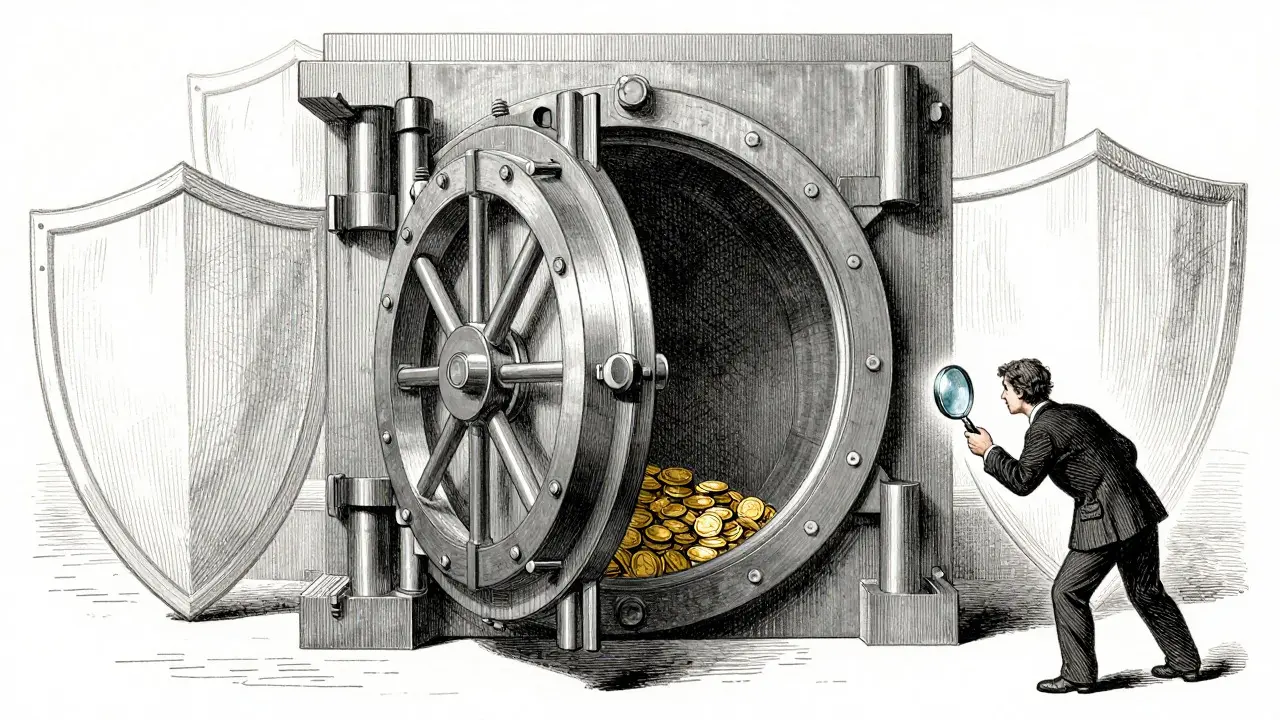
This is where the review gets critical. In the crypto world, trust is everything, and currently, Aibit lacks the transparency that established players provide. There is no public documentation of cold storage ratios, meaning we don't know what percentage of user funds are kept offline away from hackers. More importantly, there are no third-party security audits from reputable firms like CertiK or SlowMist. For a platform handling high-leverage derivatives, this is a significant gap. Furthermore, while Aibit claims to be Singapore-based, its license status under the Monetary Authority of Singapore (MAS) Payment Services Act (PSA) is unconfirmed in independent sources. Given MAS's strict crackdowns on unlicensed platforms in recent years, this ambiguity is a major concern. If you are holding significant assets, the absence of verifiable insurance funds or audit histories should give you pause.
How Aibit Compares to Major Competitors
To understand where Aibit fits, we need to look at how it stacks up against the giants. Below is a comparison of key features between Aibit and two leading alternatives, Bybit and Binance.
| Feature | Aibit | Bybit | Binance |
|---|---|---|---|
| Max Leverage | 425x | 100x | 125x |
| Fixed Savings APR | 4% | Variable (often lower) | Variable (often lower) |
| Security Audits | None Public | Regular Third-Party | Regular Third-Party |
| Regulatory License (SG) | Unconfirmed | Confirmed (Global Ops) | Confirmed (Global Ops) |
| Supported Assets | 50+ | 500+ | 350+ |
As you can see, Aibit wins on raw leverage numbers but loses on depth and safety. Binance and Bybit have deep liquidity pools, meaning your large orders won't slip the price much. Aibit claims "deep liquidity" for its 425x contracts, but without order book data, it's hard to verify. Also, Aibit supports over 50 digital assets, including Bitcoin (BTC) and Ethereum (ETH), but this is far fewer than Binance's 350+ or Bybit's extensive list. If you want to trade niche altcoins, Aibit might frustrate you.
Who Is Aibit Actually For?
Let's be honest about the target audience. With 425x leverage, Aibit is not really for the average beginner, despite the marketing. According to a 2023 study by the University of California, 99% of traders using leverage above 100x lose their capital within three months. This suggests that Aibit's core feature appeals to a very small segment of high-risk scalpers who trade during volatile news events, like Federal Reserve rate decisions. For long-term holders, the limited staking options make it less attractive. For institutional clients, the lack of compliance documentation and OTC desk services is a dealbreaker. It seems best suited for experienced derivatives traders who specifically want extreme exposure and are willing to accept the security risks involved.

Practical Considerations: Onboarding and Support
Getting started on Aibit requires standard KYC verification, likely due to Singaporean regulations. However, there are no clear guides on how long this takes or what documents are needed beyond the basics. Customer support is described as "standard," which usually means email or ticket-based help rather than the 24/7 live chat you get on Bybit or Binance. If you run into issues during a fast-moving market, waiting for an email response could cost you money. Additionally, there is no documented API for algorithmic trading, which limits its utility for developers or quant traders. The mobile and desktop apps are said to be available on major platforms, but performance metrics are missing, so you might experience lag during peak volatility-a critical issue when trading at high leverage.
Frequently Asked Questions
Is Aibit crypto exchange safe to use?
Safety is difficult to confirm because Aibit lacks public third-party security audits and has unverified regulatory licensing status in Singapore. While it operates legally in some jurisdictions, the absence of cold storage reports and insurance fund details creates higher risk compared to established exchanges like Binance or Kraken.
What is the maximum leverage on Aibit?
Aibit offers up to 425x leverage on select perpetual futures contracts. This is significantly higher than competitors like Bybit (100x) and Binance (125x). However, such high leverage carries extreme risk of liquidation even with minor price movements.
Does Aibit offer passive income products?
Yes, Aibit Earn offers a fixed-term savings product with a 4% APR over 14 days. It also provides flexible savings options with no lock-up period, allowing for instant withdrawals. The minimum deposit is approximately $100.
Is Aibit regulated by the MAS in Singapore?
Although Aibit is based in Singapore, its specific license status under the Monetary Authority of Singapore (MAS) Payment Services Act is not confirmed in independent public records. Users should verify current licensing status directly with MAS before depositing significant funds.
How does Aibit compare to Bybit?
Aibit offers higher maximum leverage (425x vs 100x) and a fixed 4% savings rate. However, Bybit has a more mature ecosystem with copy trading, better-documented security audits, deeper liquidity, and wider asset selection. Aibit is more niche-focused, while Bybit is a full-service generalist exchange.