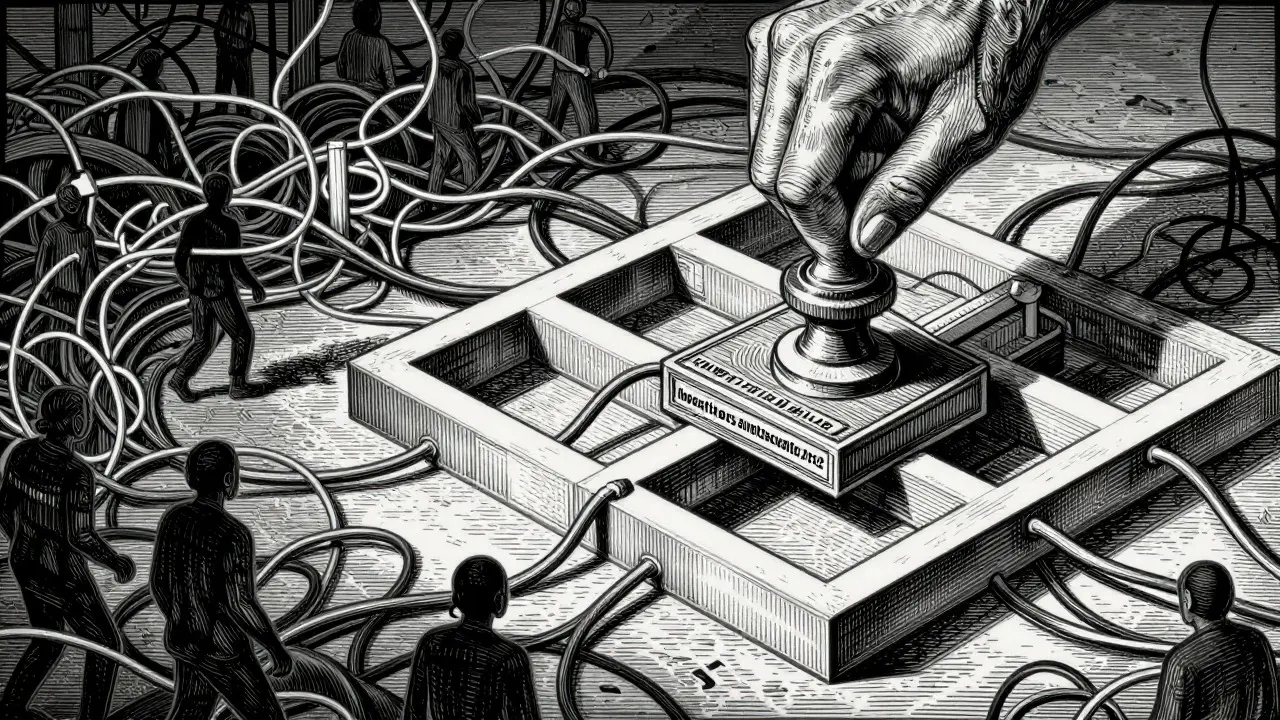
For years, Nigerians navigating the world of Cryptocurrency is a decentralized digital asset that operates on blockchain technology and allows for peer-to-peer transactions without intermediaries. have faced a confusing mix of bans, warnings, and silence from regulators. You might have heard stories about banks freezing accounts or the government declaring crypto illegal. But the ground has shifted significantly. As we move through 2026, the answer to whether crypto payments are allowed is no longer a simple "yes" or "no." It is a nuanced landscape defined by specific licenses, strict regulations, and new tax laws.
If you are holding Bitcoin or stablecoins, or if you run a business looking to accept digital assets, understanding this shift is critical. The days of operating in a legal gray area are over. Now, there is a clear path forward, but it requires knowing exactly where the lines are drawn.
The Legal Status: From Ban to Recognition
To understand the current state, we have to look at what changed. For a long time, the Central Bank of Nigeria (CBN) was the primary voice against crypto, banning banks from facilitating crypto transactions between 2021 and 2023. This created a fragmented market where users relied heavily on peer-to-peer (P2P) trading to bypass banking restrictions.
Everything changed in March 2025 when President Bola Ahmed Tinubu signed the Investments and Securities Act (ISA) 2025 into law. This legislation officially recognized digital assets, including cryptocurrencies, as securities under Nigerian law. This is a massive deal. It means crypto is no longer an unregulated wild west; it is now a formal part of the financial sector, overseen by the Securities and Exchange Commission (SEC).
However, recognition does not mean it is legal tender. You still cannot pay your taxes or buy land using only Ethereum. The Nigerian Naira remains the official currency for all government-mandated payments. But for private commerce, investment, and P2P transfers, crypto is fully legal provided you use licensed platforms.
Who Regulates Crypto in Nigeria?
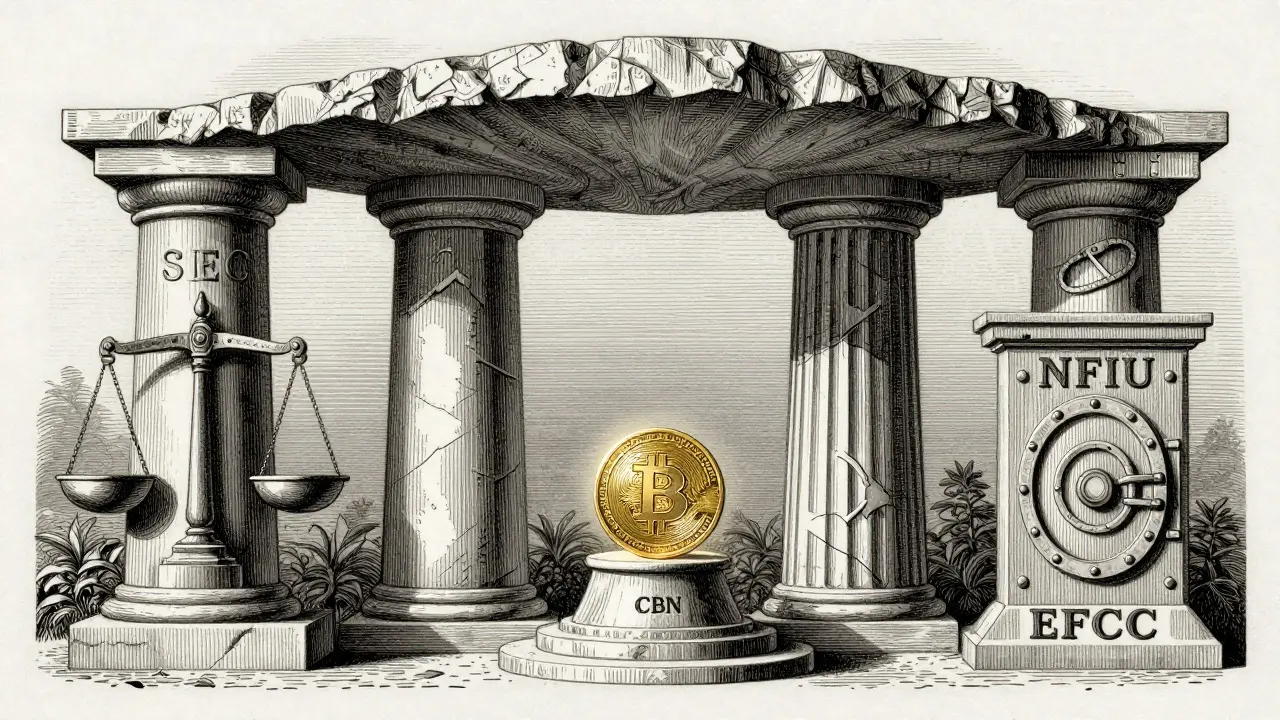
You might wonder who is actually in charge. It is not just one agency. Nigeria uses a multi-agency approach to oversee the crypto space. Here is how the responsibilities are split:
- Securities and Exchange Commission (SEC): The primary regulator for digital assets. They issue licenses to exchanges and Virtual Asset Service Providers (VASPs). If you want to trade or hold crypto legally, you should check if your platform is SEC-licensed.
- Central Bank of Nigeria (CBN): Focuses on monetary policy and banking stability. Since December 2023, the CBN reversed its restrictive stance, allowing banks to open accounts for SEC-licensed crypto businesses. This integration is key for seamless payment flows.
- Nigerian Financial Intelligence Unit (NFIU): Handles anti-money laundering (AML) and counter-terrorism financing (CFT). They ensure that crypto flows aren't used for illicit activities.
- Economic and Financial Crimes Commission (EFCC): Works with the SEC and NFIU to enforce laws and combat fraud, such as Ponzi schemes.
This coordinated effort means that while the rules are stricter, they are also more consistent. You don't have to guess which agency is watching; you know exactly who sets the standards.
Licensing Requirements for Businesses and Exchanges
If you are running a crypto business in Nigeria, compliance is non-negotiable. Under the ISA 2025, all crypto exchanges and VASPs must register with the SEC. This process involves meeting stringent capital requirements and adhering to Digital Assets Rules.
Some local platforms like Quidax and Busha were among the early approvals, setting a precedent for domestic players. However, the licensing process is thorough and can be slow. Regulators are vetting applications carefully to ensure long-term stability rather than rushing approvals.
What happens if you operate without a license? The penalties are steep. Non-compliant operators face initial fines of ₦10 million ($6,693) in the first month, plus ₦1 million ($669) for each additional month of delay. Beyond fines, the SEC can suspend or revoke your license entirely, effectively shutting down your operations. For international platforms, this creates a decision point: pursue expensive Nigerian licensing or exit the market. Many global giants are currently evaluating this cost-benefit analysis.
Taxation: What Changes in 2026?
One of the most significant upcoming changes is the tax regime. Starting January 1, 2026, the Nigerian Tax Administration Act (NTAA) 2025 takes full effect. This law treats crypto assets as property for tax purposes.
Here is the good news: simply holding crypto is not taxed. You only owe taxes when you sell or exchange for profit. This is known as a taxable event.
| Entity Type | Tax Rate | Condition |
|---|---|---|
| Individuals | Up to 25% | Personal Income Tax on profits (sliding scale) |
| Companies (₦25m - ₦100m revenue) | 20% | Corporate Income Tax |
| Companies (>₦100m revenue) | 30% | Corporate Income Tax |
| All Companies | 7.5% | VAT on transaction fees charged |
Experts describe this structure as progressive and reasonable compared to other jurisdictions. It provides clarity, which helps both individuals and businesses plan their finances better. No more guessing whether a swap is taxable or not. If you made a profit, you report it. If you didn't, you generally don't owe anything.
Practical Implications for Users
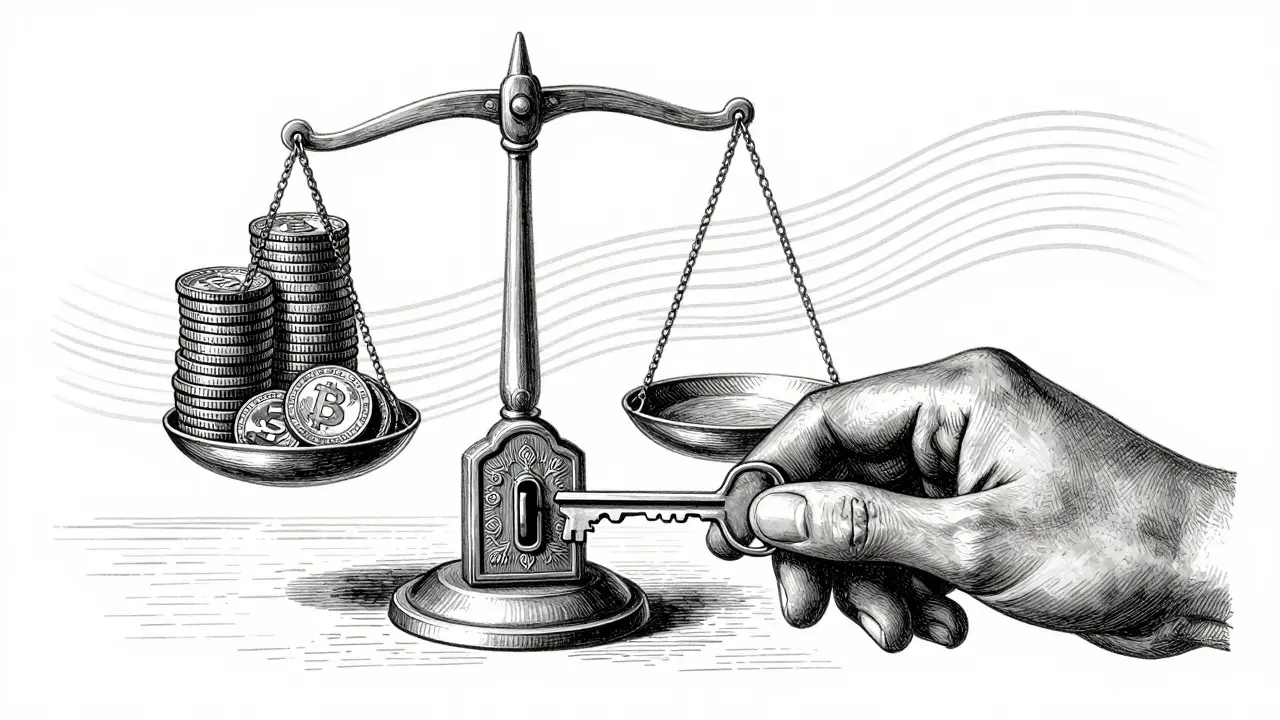
So, what does this mean for you as a regular user? First, safety increases. Using SEC-licensed platforms means your funds are protected under a regulatory framework. Second, banking integration improves. Because the CBN allows banks to serve licensed VASPs, depositing and withdrawing Naira from crypto exchanges should become smoother and less prone to account freezes.
However, there are challenges. Compliance costs for platforms may lead to slightly higher fees for users. Also, some international exchanges might leave the market if licensing proves too costly, potentially reducing your options for accessing certain global assets. For now, sticking to locally licensed providers like Quidax or Busha offers the safest route for daily usage.
P2P trading remains popular, especially for remittances and savings. With $92.1 billion in crypto value flowing through Nigeria in the last year, the demand is undeniable. The regulation doesn't kill this activity; it formalizes it. As long as you avoid unlicensed brokers and keep records of your transactions for tax purposes, you are in good standing.
Frequently Asked Questions
Is cryptocurrency legal tender in Nigeria?
No. While crypto is recognized as a security and legal for private transactions, the Nigerian Naira remains the only legal tender for official government payments and statutory obligations.
Which agency regulates crypto exchanges in Nigeria?
The Securities and Exchange Commission (SEC) is the primary regulator for digital assets under the ISA 2025. They handle licensing for exchanges and Virtual Asset Service Providers (VASPs).
Do I pay tax on holding Bitcoin in Nigeria?
No. Under the NTAA 2025, crypto assets are treated as property. You only pay tax when you sell or exchange them for a profit. Holding them incurs no tax liability.
Can banks freeze my crypto account again?
It is less likely if you use SEC-licensed platforms. The CBN guidelines now permit banks to service these licensed entities, creating a clearer path for bank-crypto interactions. Always verify your platform's license status to stay safe.
What are the penalties for running an unlicensed crypto exchange?
Operators face fines starting at ₦10 million for the first month of non-compliance, plus ₦1 million for each subsequent month. The SEC also has the power to suspend or revoke licenses, shutting down the business.