Why Real Estate Deals Are Taking Forever
You know the feeling of buying a home and waiting weeks for papers to get signed? Or worse, discovering a lien on a property after you’ve already put down a deposit. Traditional real estate transactions rely on paper deeds, manual checks, and intermediaries who charge fees just to move files around. By 2026, we have tools that could change this entirely. Blockchain is a decentralized digital ledger that records transactions securely and transparently without a central authority. Originally built for crypto, this technology now secures property titles. When applied to homes and commercial buildings, it cuts out the middlemen and speeds up closings from months to minutes.
Security Through Immutable Records
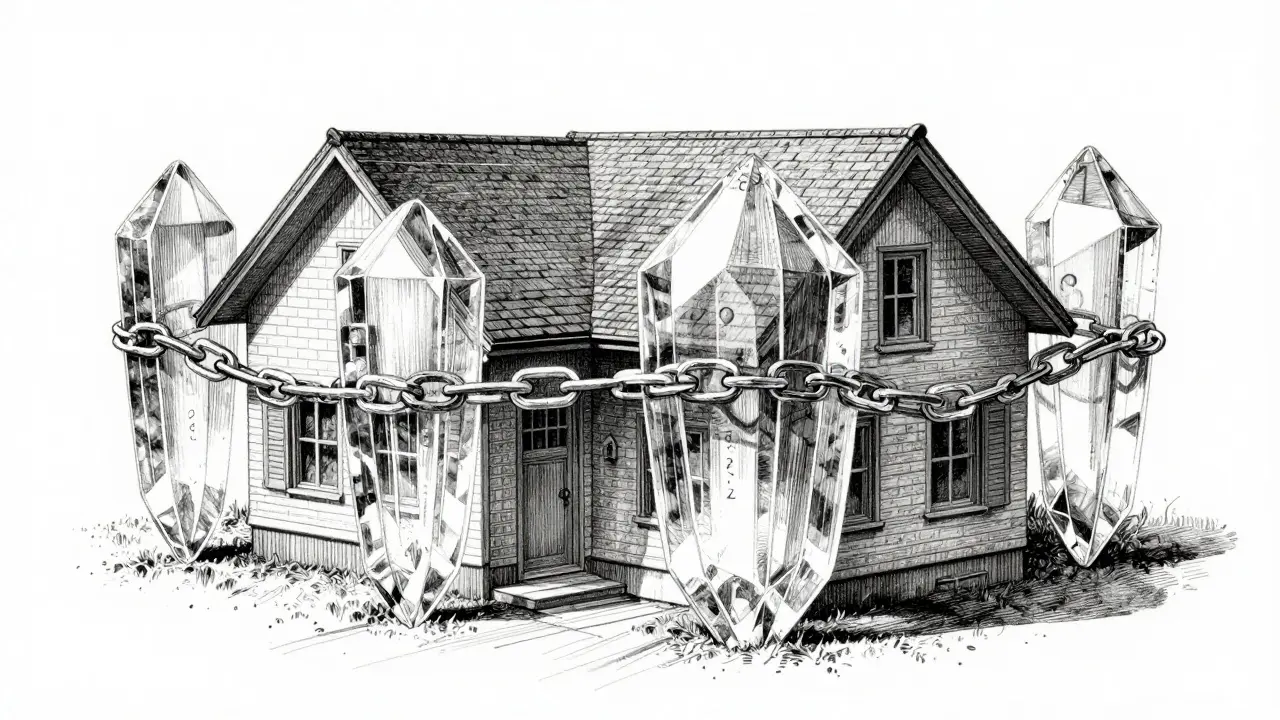
Fraud is a silent killer in the property market. In many countries, fake deeds and stolen identities drain billions annually. A blockchain solution tackles this head-on by creating a permanent record that cannot be altered once written. Think of it as a digital chain where every link connects to the previous one using cryptography. If someone tries to tamper with a title, the math won’t add up, and the network rejects the change immediately.
This isn’t just theory. Take Georgia, for instance. Their government implemented a blockchain land registry system that processes property titles directly on the chain. Before this switch, registering a property took days of bureaucratic hurdles. With the new system, verification happens in minutes. They reported costs dropping by 90% while processing 1.5 million titles securely. This kind of security gives investors confidence that what they own is truly theirs, protected by code rather than fragile paper stored in a dusty basement.
Automating Agreements with Smart Contracts
Once the record is secure, the next big hurdle is execution. Usually, when you sign a lease or buy a house, lawyers review terms manually. This slows everything down. Here comes another key piece of the puzzle: Smart Contracts self-executing contracts with the terms of the agreement directly written into code. These digital agreements automatically trigger actions once conditions are met. Imagine paying rent. Instead of writing a check and hoping your landlord deposits it, the contract releases the funds automatically when the lease starts. If a tenant defaults, penalties execute instantly without needing a lawsuit.
J.P. Morgan has noted how these smart leases work in commercial spaces. They allow for seamless compliance and rent collection, addressing challenges that traditionally drag out disputes. For landlords, this means fewer empty slots chasing payments. For tenants, it offers a clear view of exactly when money is due. However, trust matters here. You need to verify the code before signing off, which brings us to the importance of platform reputation.
Fractional Ownership via Tokenization
One of the biggest barriers to entering real estate is cash. Most people can’t afford a full building or luxury apartment. This is where tokenization changes the game. It involves converting property equity into digital tokens. You aren’t buying the whole building; you’re buying a slice of it represented as a digital asset. These tokens can often trade on secondary markets, giving liquidity that physical property never had.
Platforms like Lofty demonstrate this well. In 2025, their update introduced AI-driven valuation models for tokens. They allowed investors to start with just $50, compared to the typical thousands required for traditional crowdfunding. The average rental yield hovered around 11%, distributed daily. While trading volume can fluctuate in niche markets, the ability to sell your share quickly makes this attractive. Unlike a house that sits empty while you find a buyer, a tokenized asset can theoretically be traded 24/7.
| Feature | Traditional Method | Blockchain System |
|---|---|---|
| Transaction Time | 30-60 Days | Minutes to Hours |
| Cost Savings | High Intermediary Fees | Up to 30% Reduction |
| Liquidity | Low (Months to Sell) | High (Secondary Markets) |
| Record Security | Vulnerable to Paper Loss/Fraud | Cryptographically Immutable |
| Entry Barrier | $5,000-$10,000+ | $50 Minimums Possible |
The Reality Check on Regulation
Despite the hype, adopting this tech isn’t seamless everywhere. As of late 2025, regulatory frameworks are still catching up. The SEC monitors tokenized assets closely to prevent unregistered securities sales. In Europe, the MiCA framework standardized disclosures, which helped institutional players feel safer joining the space. But in some US states, rules remain vague.
This creates a risk for investors. Smart contracts can also have bugs. Technical analysts warned about exploits, like the Solana incidents back in 2022, though real estate ledgers are generally less volatile than currency ones. Piper Moretti from Crypto Realty Group points out that blockchain elevates professionals but doesn’t replace the legal need for human oversight completely. You still need compliance checks for anti-money laundering, often handled by partners like Chainalysis.
Who Should Jump In First?
If you are managing commercial properties, the ROI is clearer. J.P. Morgan’s Onyx platform shows enterprise users how to automate CRE leasing with 40% faster settlements. Residential investors look toward tokenization platforms for diversification. Deloitte surveys show 85% of commercial executives prioritized this adoption for transparency gains in 2024. However, legacy system integration remains a headache for older firms. If you run a small brokerage, focusing on client education regarding smart wallets and identity management is step one.
Dubai integrated all property registries onto the chain in Q1 2025, slashing processing to under 10 minutes. This sets a benchmark for other cities following suit. The IMF even suggested global standards to combat fraud across borders. For now, expect a mixed bag of regulations until international standards align. The long-term projection suggests 30% of CRE transactions will use blockchain by 2028.

Getting Started Safely
Start by identifying your goal. Do you want to store a deed, invest passively, or manage rentals? Learning curves vary. Technical teams might spend 2-4 weeks integrating APIs, but non-tech users can rely on GUI-based apps. Verify any platform you join checks KYC/AML compliance to avoid legal trouble later. Community resources on GitHub offer templates for property tokenization, but always audit them. Trust isn’t blind; check reviews on sites like Trustpilot where security ratings average high but usability scores dip slightly for complex setups.
Looking Ahead in 2026
We are standing at an inflection point. Tokenized real estate assets passed $4.3 billion in 2024, projected to hit $19.4 billion by 2033. Quantum computing poses a future threat to encryption, which developers are preparing for, but right now the disruption rating remains “high-impact” according to Boston Consulting Group. Whether you are a homeowner or an investor, understanding these shifts keeps you ahead. The technology solves real problems: speed, trust, and access. The question is whether regulators and markets will sync fast enough to let it shine.
Frequently Asked Questions
Is blockchain real estate investment legal in the US?
It depends on the token structure. Securities laws apply to fractional ownership tokens. Platforms must comply with SEC regulations, often requiring accreditation or specific registration to offer these investments legally.
Can I put my home title on a blockchain?
Only if your local county accepts it. Some pilot programs exist, but most jurisdictions still require official paper filings. Private blockchains help track ownership history but may not replace government records yet.
What are smart contract risks?
Code errors or loopholes can lock assets or release funds prematurely. Always choose audited contracts from reputable providers. Legal teams should review the logic to ensure it matches actual laws.
How does tokenization improve liquidity?
Tokens can be sold on secondary markets easily. Unlike a house that takes months to sell, digital shares can be exchanged instantly during trading hours, allowing faster exit strategies.
Do I need a wallet to invest?
Yes, you need a digital wallet to hold tokens. Many platforms provide custodial wallets to simplify this, but self-custody requires learning private key management for security.

I really think this technology could save us a lot of stress in the future.
Imagine buying a house without weeks of paperwork delay.
The security aspect alone makes it worth considering.
Fraud is such a nightmare for families saving up for a home.
If we can trust the code then we don't need to worry about bad actors stealing titles.
This feels like a positive step forward for everyone involved.
I hope more local governments adopt this soon to help regular people.
You people are blind to the risks here.
Smart contracts fail when the code breaks and your money vanishes.
Regulators won't catch every bug before you lose your savings.
Crypto scams run rampant while you praise blockchain.
This isn't magic just because the marketing says so.
I understand the concerns raised earlier about security flaws being real issues.
However, auditing processes have improved significantly since the early days of this tech.
Professional legal review combined with technical audits creates a safety net for buyers.
We need to remember that traditional banking systems suffer similar failures without public outcry.
Transitioning to digital ledgers requires patience and education for all stakeholders.
The potential for reduced administrative costs is undeniable for commercial landlords.
Tenants benefit from automated rent processing that eliminates late fee disputes completely.
Investors gain liquidity options that were impossible with physical deed transfers previously.
Tokenization allows smaller groups to pool resources for better property yields.
We must verify platforms rigorously before committing any significant funds online.
Always check for KYC compliance standards to ensure identity protection measures are active.
Look for third party security ratings to gauge platform reliability accurately.
Don't hesitate to consult a financial advisor familiar with digital assets too.
Education is the first line of defense against exploitation in emerging markets.
We are building the infrastructure for the future of asset management right now.
i read teh whole post but im confused about smth
the typos r making hard to folow althouigh i get ur point abt secuirty
are u sure dat govts wil accept dis fully evntually
i wuld luv to invest bt dont trst ths yet
Government is watching every transaction through the chain anyway.
I am so excited about the future of owning homes :)
My family has struggled with fees for years and this would help so much
But sometimes I feel scared to put everything online :(
The tech sounds amazing but trust is hard to find these days
I really want to see how the pilot programs go before trying myself!
Oh my gosh the drama if something goes wrong is going to be insane!
Just imagine the headlines when a smart contract locks someone out of their own house.
I mean the convenience is totally life changing but the risk factor is huge!
It feels like playing with fire just waiting for a spark to burn us down!
The regulatory landscape shifts constantly and compliance frameworks lag behind innovation cycles significantly.
Legal oversight remains essential despite automation capabilities offered by distributed ledgers.
Institutional adoption depends heavily on established trust protocols and audit trails.
Does anyone know if this works for condos specifically?