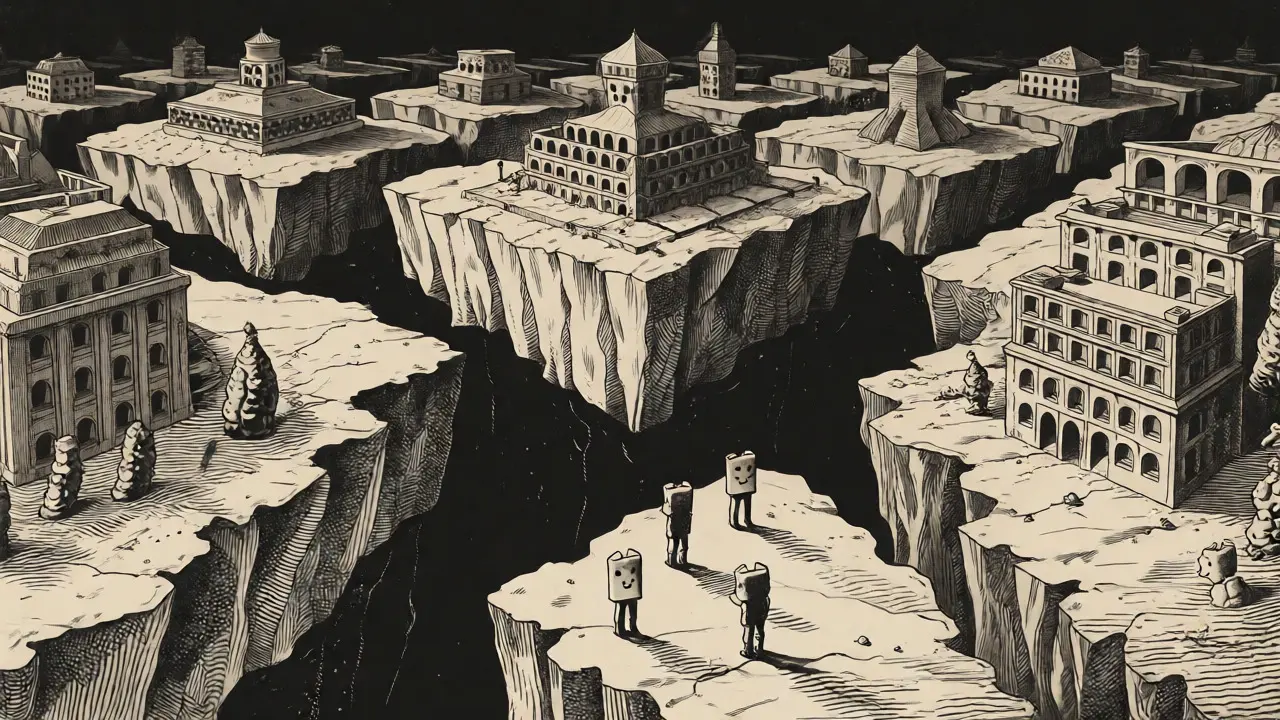
Remember when buying an NFT meant you were stuck on one blockchain forever? If you collected Ethereum art, you couldn't easily trade with Solana gamers or Polygon users. It was like having separate bank accounts for every store you visited. That fragmentation is disappearing. Cross-chain NFT marketplace support is the technology that lets you buy, sell, and move non-fungible tokens across different networks without jumping through hoops.
This isn't just a convenience feature anymore. As of late 2025, it's become a basic requirement for any serious platform. If a marketplace can't talk to multiple blockchains, it's losing money and users. Let's break down how this actually works, why it matters for your wallet, and which platforms are doing it best right now.
Why Single-Chain Marketplaces Hit a Wall
In the early days, platforms like OpenSea started as Ethereum-only hubs. This made sense technically but created massive friction. Imagine you have a rare profile picture on Ethereum, but the hottest new game items are launching on Solana. You'd need two wallets, two sets of gas fees, and completely different user interfaces to manage both. Worse, liquidity was split. A collection might look dead on one chain simply because the buyers were all hanging out on another.
The core problem was isolation. Blockchains like Ethereum, Solana, and Polygon operate like walled gardens. They don't naturally speak each other's language. Cross-chain support breaks these walls by creating bridges-both technical and commercial-that allow assets and data to flow freely. This unified access boosts liquidity because buyers from any network can see and purchase items from any other network. For creators, it means their work isn't trapped in one ecosystem; they can reach collectors wherever those collectors prefer to hang out.
How the Tech Actually Works
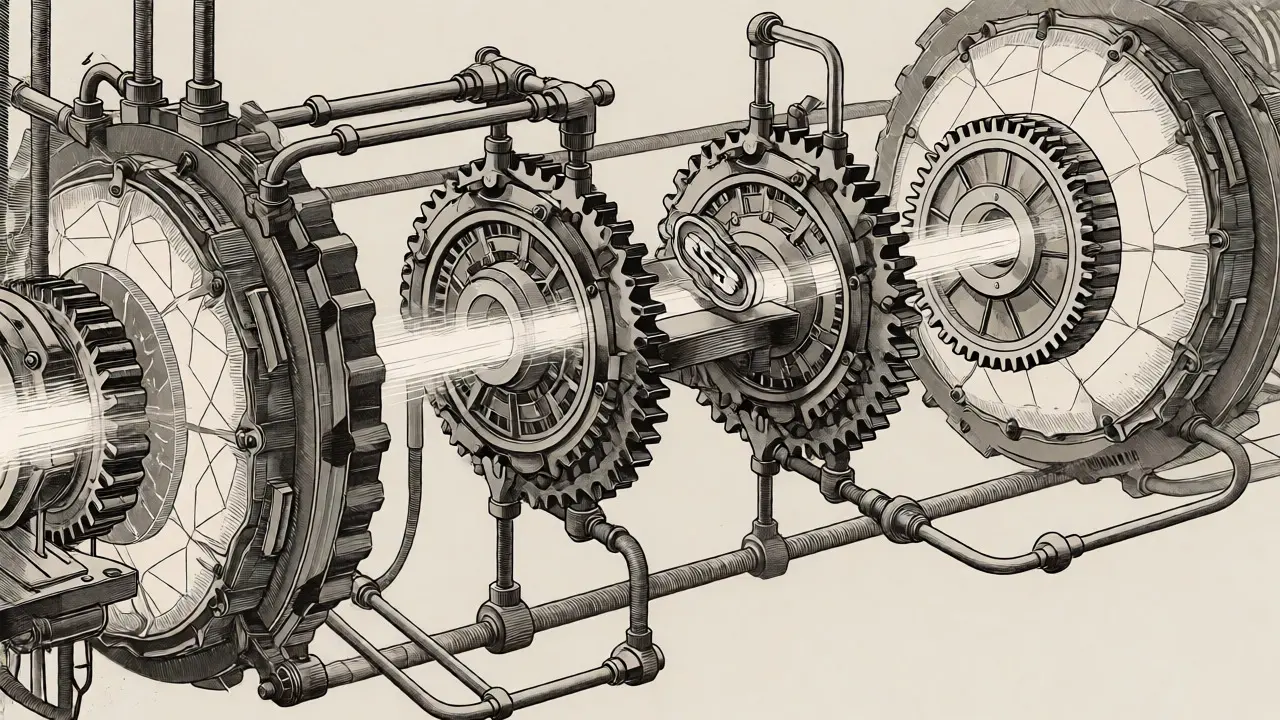
You don't need to be a developer to understand the basics, but knowing the mechanics helps you spot fake claims. At its heart, cross-chain functionality relies on smart contracts that live on multiple chains simultaneously. These aren't simple copies; they are coordinated agents. When you initiate a transfer from Ethereum to Solana, a smart contract on Ethereum locks your NFT (or burns it, depending on the protocol) and sends a message to a corresponding contract on Solana. That second contract then mints a representative token or unlocks the original if it was bridged.
Key components include:
- Cross-Chain Smart Contracts: These automate the locking, burning, and minting processes. They ensure ownership remains tamper-proof. Once recorded, breaking ownership is cryptographically nearly impossible.
- Specialized APIs: Platforms use custom application programming interfaces to let disparate blockchain protocols communicate. This allows a single dashboard to show balances from five different chains.
- Immutable Storage: Transaction logs are stored redundantly across networks. If one chain experiences congestion or downtime, the data isn't lost. The audit trail persists, ensuring transparency regardless of which underlying network has issues.
- Layer 2 Scaling: Many modern marketplaces integrate Layer 2 solutions (like Arbitrum or Optimism for Ethereum) to handle high transaction throughput without the massive gas fees of the mainnet. This keeps trades fast and cheap, which is critical for active traders.
The result is a seamless experience. You click "Buy," sign one transaction, and the asset appears in your compatible wallet on the target chain. No manual bridging tools required.
Leading Platforms and Their Strategies
Not all cross-chain implementations are equal. Some prioritize breadth (supporting many chains), while others focus on depth (deep integration with specific ecosystems). Here’s how the major players stack up in October 2026.
| Platform | Primary Chains Supported | Key Strength | Best For |
|---|---|---|---|
| OpenSea | Ethereum, Solana, Polygon, Base, Arbitrum | Largest community and brand recognition | General collectors wanting maximum exposure |
| Magic Eden | Solana, Bitcoin (Ordinals), Ethereum, Polygon | Superior UX for gaming and Ordinals | Gamers and Bitcoin NFT enthusiasts |
| TradePort | Sui, Aptos, NEAR, Stacks | Advanced analytics and price tracking | Traders focused on data-driven decisions |
| BlueMove | Sui, Aptos | Creator tools and launchpad features | NFT hunters and new project investors |
OpenSea remains the heavyweight champion. Its strength lies in sheer volume and trust. While its interface can feel cluttered, its cross-chain flexibility is robust. If you want to sell an Ethereum piece to a buyer who prefers using a Solana wallet, OpenSea handles the complexity behind the scenes.
Magic Eden carved out a niche by dominating Solana before expanding aggressively into Bitcoin Ordinals and Ethereum. Their interface is cleaner than OpenSea's, and their support for gaming NFTs is unmatched. If you're into play-to-earn games where assets need to move between servers and chains, Magic Eden is often the go-to.
Newer entrants like TradePort and BlueMove focus on newer, high-speed chains like Sui and Aptos. TradePort appeals to data nerds; its graphs and analytics tools help you spot trends before they hit mainstream platforms. BlueMove, conversely, empowers creators with easy minting tools and a curated launchpad, making it ideal for discovering hidden gems before they blow up.
The Real Benefits for Users
Why should you care about cross-chain support beyond buzzwords? Because it directly impacts your profit margins and risk profile.
First, consider liquidity. In a fragmented market, a $10,000 NFT might sit unsold for weeks because only 5% of potential buyers are on its native chain. With cross-chain support, that same NFT is visible to 100% of the market. Higher visibility means faster sales and better price discovery. There’s no cooling-off period after a trade; assets are instantly available for resale on any supported network.
Second, think about cost efficiency. Ethereum gas fees can still spike unpredictably. By supporting Polygon or Solana, marketplaces give you options. You can choose to mint on a low-cost chain and bridge later if needed, or simply keep your entire portfolio on a cheaper network while still accessing premium Ethereum collections.
Third, there’s accessibility. Cross-chain platforms often offer universal accessibility across devices and operating systems. You’re not locked into a specific wallet provider. Whether you use MetaMask, Phantom, or a mobile-first wallet, the marketplace adapts. Plus, reliable 24/7 technical support becomes crucial here. Multi-chain operations introduce complexity; if a bridge gets stuck, you need immediate help, not a ticket response in three days.

Pitfalls and Security Risks
It’s not all sunshine. Cross-chain tech introduces new attack vectors. Bridges-the tunnels connecting chains-are historically the weakest link in DeFi and NFT infrastructure. Hacks targeting bridge protocols have resulted in hundreds of millions in losses over the past few years.
When evaluating a marketplace, check their security posture. Look for:
- Audited Smart Contracts: Has a reputable firm audited the cross-chain logic?
- Decentralized Storage: Is the metadata stored on IPFS or Arweave, rather than a centralized server that could go offline?
- Transparent Fees: Does the platform clearly display gas costs for bridging? Hidden fees can eat 5-10% of your profit on small trades.
Also, beware of "fake" cross-chain support. Some platforms claim compatibility but require manual steps that defeat the purpose. True cross-chain support should feel invisible to the user. If you have to leave the site to use a third-party bridge tool, the integration is weak.
Future Trends: Where This Is Heading
We are moving toward a future where the underlying blockchain becomes irrelevant to the end-user. The next wave of adoption will be driven by infrastructure that scales efficiently and ensures security without demanding technical expertise from collectors.
Enterprise brands are already leveraging this. Luxury fashion houses are launching digital twins of physical products, using cross-chain marketplaces to authenticate goods and track resale royalties automatically. These implementations rely on bulletproof security and decentralized storage to preserve value across generations. The goal is seamless interoperability: you buy a jacket in-store, scan a QR code, and own the NFT on whichever chain you prefer, with the ability to resell it globally.
For developers and investors, the trend is clear. Platforms that fail to adopt robust cross-chain architecture will consolidate or die. The industry standard is shifting from "single-chain excellence" to "multi-chain fluency." Expect more integration of Layer 2 scaling solutions and AI-driven analytics that recommend trades across chains based on real-time liquidity data.
Do I need multiple wallets for a cross-chain NFT marketplace?
Usually, yes, but it depends on the platform. Most major wallets like MetaMask or Phantom can connect to multiple chains, but you may need to add the network manually. Some advanced platforms offer custodial solutions where they hold assets for you, allowing you to trade across chains with a single login, though this reduces self-custody benefits.
Are cross-chain transactions slower or more expensive?
Bridging can add time (minutes to hours) and cost (bridge fees plus gas on both chains). However, many modern marketplaces batch transactions or use optimized bridges to minimize this. Once the asset is on your preferred chain, trading is as fast as any native transaction. Always check the estimated completion time before initiating a large transfer.
Can I lose my NFT during a cross-chain transfer?
It’s rare but possible if a bridge hack occurs or if you send funds to an unsupported address format. Reputable platforms use audited contracts and provide insurance or guarantees. Always double-check the destination address and ensure the receiving chain supports the specific token standard (e.g., ERC-721 vs SPL).
Which blockchain is best for NFTs in 2026?
There is no single "best" chain. Ethereum offers the highest prestige and deepest liquidity for fine art. Solana provides speed and low costs for gaming and mass-market collectibles. Polygon and Base offer a middle ground with low fees and growing ecosystems. The best choice depends on your budget and what kind of assets you collect.
How do creator royalties work across chains?
Royalty enforcement varies by chain and marketplace. On Ethereum, royalties are often enforced via smart contract logic or marketplace policy. On other chains, implementation differs. Cross-chain marketplaces aim to standardize this, ensuring creators get paid regardless of where the secondary sale happens, but always verify the royalty percentage displayed at checkout.