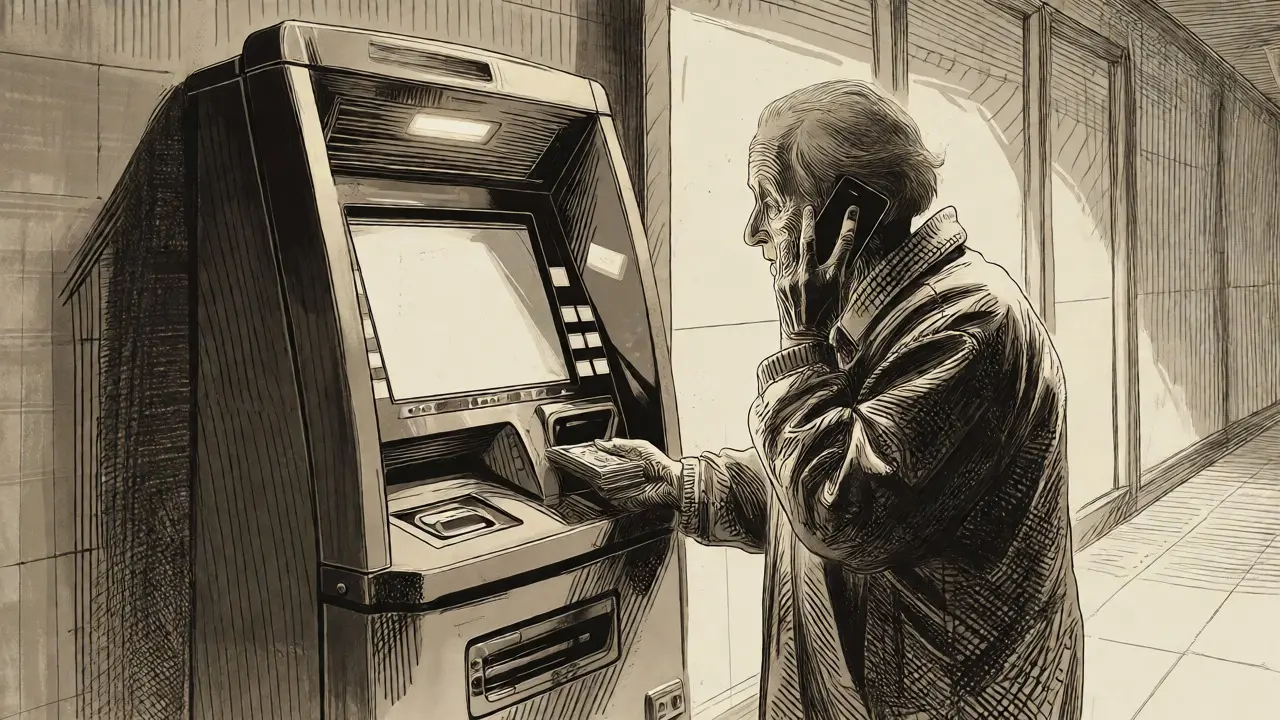
Imagine walking up to a machine that looks like a standard bank ATM, inserting your cash, and expecting to buy Bitcoin. Instead, you walk away with nothing but a receipt and a sinking feeling in your stomach. This isn't a hypothetical scenario; it's the reality for thousands of Americans who have fallen victim to cryptocurrency ATMs. In 2024 alone, the FBI’s Internet Crime Complaint Center (IC3) logged over 10,956 complaints related to these kiosks, resulting in staggering losses totaling $246.7 million. That’s more than the annual budget of many small cities, vanished into the digital ether because of a few clicks on a touchscreen.
If you or a family member has ever considered using one of these machines, you need to understand why they are currently the wild west of financial technology. The convenience of instant crypto access comes at a steep price when scammers exploit the lack of regulation and the irreversible nature of blockchain transactions. Here is what you need to know about the epidemic, who is getting hit hardest, and what new laws might actually help.
The Scale of the Crypto ATM Fraud Crisis
The numbers don't lie, but they do shock. While traditional banking fraud exists, the speed and finality of crypto transfers make ATM scams uniquely devastating. Once money leaves your hand and enters the kiosk, there is no "undo" button. Unlike a credit card chargeback where you can dispute a transaction months later, cryptocurrency transactions are permanent. According to law enforcement data, the $246.7 million lost in 2024 represents a sharp rise from previous years, signaling that scammers have fully embraced this vector.
Why are these machines so vulnerable? It comes down to three factors: anonymity, irreversibility, and minimal oversight. Traditional ATMs operate under strict federal guidelines, requiring robust identity verification and real-time fraud monitoring. Many crypto ATM operators, however, function as Money Services Businesses (MSBs) but often fail to adhere to Bank Secrecy Act obligations. They skip customer identification steps and ignore suspicious activity reports. This regulatory gap creates an ideal playground for fraudsters who know that once the cash is converted, the trail goes cold.
Who Is Getting Targeted?
You might assume that tech-savvy millennials or Gen Z investors are the primary victims, given the association with cryptocurrency. The data tells a different story. More than two-thirds of cryptocurrency ATM fraud victims in 2024 were over the age of 60. This demographic saw a 99% increase in complaints compared to prior years. Seniors are particularly attractive targets for scammers due to their savings, potential isolation, and sometimes lower familiarity with digital asset mechanics.
Scammers often use social engineering tactics that play on trust and urgency. A common scheme involves a caller pretending to be from the IRS, Social Security, or a utility company. They claim you owe back taxes or have a pending warrant and must pay immediately via gift cards or cryptocurrency to avoid arrest. When the victim says they don't have a crypto wallet, the scammer directs them to the nearest crypto ATM. The victim inserts hundreds or thousands of dollars, scans a QR code provided by the scammer over the phone, and sends the funds directly to the criminal's wallet. By the time the victim realizes the call was fake, the money is already gone.
| Feature | Traditional Bank ATM | Crypto ATM |
|---|---|---|
| Fraud Reversal | Possible via dispute | Generally impossible |
| Regulatory Oversight | High (Federal/State) | Fragmented/Low |
| Identity Verification | Strict KYC protocols | Often minimal or absent |
| Primary User Base | General public | Niche investors & Scam victims |
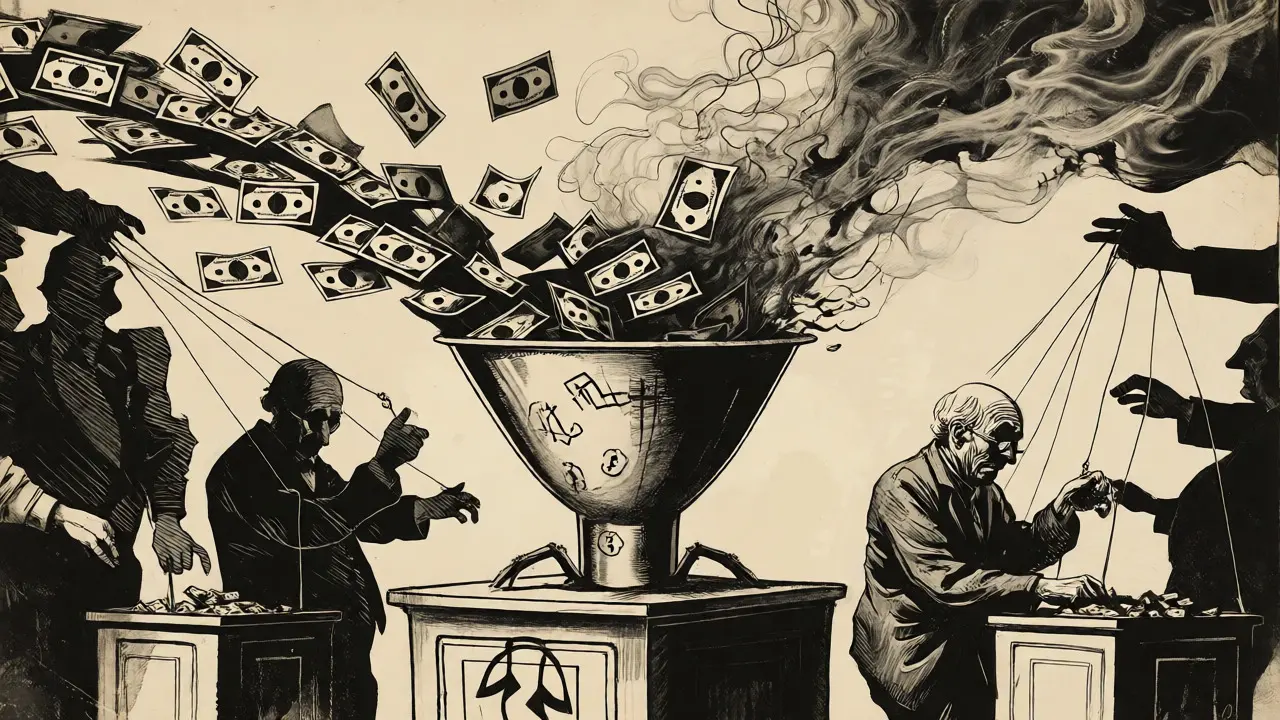
Technical Vulnerabilities and Operator Negligence
It’s not just about human error; the machines themselves have flaws. Security researchers have uncovered critical vulnerabilities in popular models. For instance, IOActive researcher Gabriel Gonzalez discovered severe issues in the Lamassu Douro Bitcoin ATM. Specific CVEs (Common Vulnerabilities and Exposures), such as CVE-2024-0674, allowed unprivileged users to gain root access to the machine’s system. This means a skilled attacker could potentially manipulate the software running the kiosk.
While technical exploits are concerning, operator negligence plays a larger role in everyday fraud. Many crypto ATM networks prioritize ease of use over security checks. They want you to buy crypto quickly without jumping through hoops. This frictionless experience is great for legitimate users but dangerous when a scammer is coaching you over the phone. Furthermore, some operators fail to implement basic safeguards like daily transaction limits for new customers, allowing massive sums to be drained in a single session.
Regulatory Crackdowns: The Arizona Model
States are starting to wake up to the crisis. Arizona, which hosts approximately 600 cryptocurrency ATMs, has become a testing ground for new regulations. Residents there lost $177 million to cryptocurrency fraud in 2024 alone. In response, Attorney General Mayes announced new rules under the Cryptocurrency Kiosk License Fraud Prevention law.
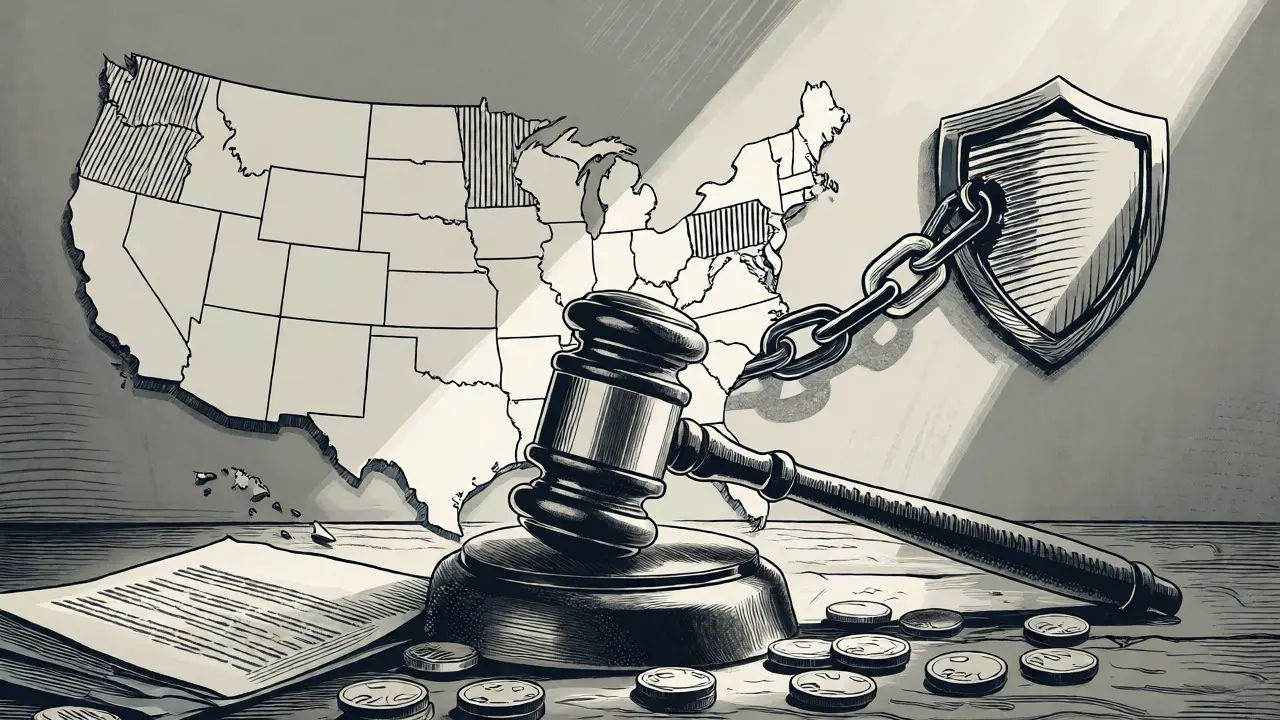
The new Arizona regulations impose strict limits: new customers can only transact up to $2,000 per day, while existing customers are capped at $10,500. Operators must also display enhanced warning systems on screens that customers must acknowledge before proceeding. Perhaps most importantly, the law requires full refunds, including fees, to new customers who report fraud within 30 days. This shifts some of the burden back onto the operators, forcing them to vet transactions more carefully.
Arizona isn’t alone. At least 40 states introduced legislation regarding digital assets in 2025, and AARP reports that 11 states have passed specific laws targeting crypto ATMs. On the federal level, the Financial Crimes Enforcement Network (FinCEN) issued Notice FIN-2025-NTC1 in August 2025, formally warning financial institutions about the risks. This notice emphasizes that the convenience of these kiosks is being exploited by transnational criminal organizations, urging banks to monitor MSB relationships more closely.
How to Protect Yourself from Crypto ATM Scams
So, how do you stay safe? If you’re buying crypto legitimately, ensure you’re using a reputable exchange app rather than a physical kiosk whenever possible. Apps offer better security features, two-factor authentication, and clearer transaction histories. But if you must use a crypto ATM, follow these rules:
- Never send crypto based on a phone call. No government agency, utility company, or tech support team will ever ask you to pay via Bitcoin or gift cards.
- Check the operator’s reputation. Look for kiosks operated by major, well-known brands with visible contact information and compliance certifications.
- Start small. If you’re testing a new machine, insert a small amount first to verify the process works correctly.
- Read the warnings. Don’t just tap "Accept." Read the screen prompts. Newer laws require clear disclosures about the irreversibility of transactions.
- Beware of pressure. Scammers create artificial urgency. Take your time. Walk away if something feels off.
For seniors and their caregivers, education is key. Discussing these schemes openly reduces the shame associated with falling victim. Many victims don’t report crimes because they feel embarrassed. Reporting helps law enforcement track trends and supports legislative efforts to tighten regulations.
The Future of Crypto Accessibility
The tension between innovation and consumer protection remains unresolved. Proponents argue that crypto ATMs provide essential financial inclusion for the unbanked. Critics counter that they serve primarily as conduits for fraud. The industry faces a crossroads. Without stricter adherence to anti-money laundering (AML) standards and better technological safeguards, the stigma of "scam machines" may stick permanently.
Experts like James Wyler, President of Trusted Security Solutions, note that broader financial technology challenges, including emerging threats like quantum computing, add layers of complexity. Meanwhile, Nancy LeaMond from AARP highlights bipartisan support for commonsense rules. The goal isn't to kill cryptocurrency but to ensure that accessing it doesn't cost you your life savings.
As we move further into 2026, expect more states to adopt Arizona-style caps and refund mandates. Federal regulators will likely continue issuing red flag indicators to help banks spot suspicious activity. For now, caution is your best defense. The $246 million loss tally is a sobering reminder that in the world of crypto, convenience often comes with hidden costs.
Can I get my money back after a crypto ATM scam?
Generally, no. Cryptocurrency transactions are irreversible. However, new laws in states like Arizona require operators to issue refunds to new customers who report fraud within 30 days. Outside of these specific legal frameworks, recovery is rare unless law enforcement seizes the funds before they are laundered.
Why are seniors targeted by crypto ATM scams?
Seniors often have significant savings and may be less familiar with digital asset technologies. Scammers exploit this by using authoritative figures (like IRS agents) and creating urgent situations that prompt quick, emotional decisions rather than careful verification.
Are all crypto ATMs regulated?
No. Regulation varies significantly by state and operator. Many operate with minimal oversight compared to traditional banks. FinCEN has issued warnings, but enforcement is fragmented. Always check local laws and operator credentials before using a kiosk.
What is the main difference between a bank ATM and a crypto ATM?
Bank ATMs dispense fiat currency linked to your account, allowing for reversals and disputes. Crypto ATMs convert cash to digital assets sent to a wallet address. Once sent, the transaction is permanent on the blockchain, offering no built-in mechanism for refunds or disputes.
How much did Americans lose to crypto ATM fraud in 2024?
According to the FBI’s IC3, victims lost $246.7 million in 2024. This figure reflects reported complaints and likely underrepresents total losses due to unreported incidents.
The sheer incompetence of the regulatory bodies overseeing these kiosks is nothing short of criminal negligence, really.
We are witnessing a classic case of technological adoption outpacing legislative comprehension, where the 'wild west' narrative isn't just a metaphor but a literal description of the legal vacuum allowing predatory operators to exploit the unbanked and the elderly with impunity. It is frankly insulting that we are still debating whether these machines should be subject to the same Bank Secrecy Act obligations as traditional financial institutions, given that the irreversible nature of blockchain transactions removes the primary consumer protection mechanism-chargebacks-that exists in fiat banking.
Furthermore, the technical vulnerabilities cited, such as the CVEs found in Lamassu units, highlight a fundamental lack of due diligence by manufacturers who prioritize speed-to-market over robust security architecture. Until we see federal preemption of state laws and mandatory KYC/AML compliance enforced with teeth, these machines will remain little more than cash incinerators for the gullible. The industry's reluctance to adopt stricter identity verification protocols suggests that they benefit from the frictionless, anonymous nature of their operations, effectively externalizing the cost of fraud onto the victim while retaining the transaction fees.
This is heartbreaking for so many families.
Education and patience are key here.
It is absolutely shameful how society treats our elders! 😠 We have allowed corporations to prey on those who built this country, treating them like easy targets because they aren't 'tech-savvy.' 🙄
Instead of blaming the victims for not understanding crypto, we should be demanding accountability from the greedy companies placing these traps in every convenience store. 💸 It’s not about technology; it’s about morality and basic human decency! 🛑
I completely agree with the need for education, Sheila. However, I worry that simply telling people to 'be careful' places an undue burden on individuals who are often isolated or cognitively declining.
Have you considered how we can better integrate these warnings into the physical environment of the stores themselves? Perhaps larger, clearer signage at eye level rather than small screen prompts?
I also think we need to look at community-based support systems, like local library workshops specifically designed for seniors, to demystify digital assets before they encounter a scammer on the phone. It feels like we are trying to solve a systemic problem with individual vigilance alone.
The fragmentation of regulatory oversight across fifty states creates a arbitrage opportunity for non-compliant MSBs that is frankly indefensible.
Until FinCEN mandates uniform AML/KYC standards with punitive enforcement mechanisms, the 'Arizona Model' remains a localized band-aid on a systemic hemorrhage. The irreversibility of ledger entries necessitates a paradigm shift in consumer liability frameworks, moving away from post-hoc dispute resolution toward pre-transaction authorization rigor.
Moreover, the technical debt inherent in legacy kiosk hardware exacerbates the risk profile, creating vectors for exploitation that purely software-based exchanges do not face. We must advocate for statutory requirements that align operator incentives with consumer protection, not merely transaction volume.
Look, I’ve been saying this for years, and everyone called me paranoid, but now the FBI numbers prove what us savvy investors knew all along: these machines are trash bins for money.
You don’t see real traders using a Lamassu unit in a gas station to buy Bitcoin unless they’re desperate or being scammed, because the fees are absolute robbery and the spread is wider than the Grand Canyon.
My uncle lost two grand last month because he listened to some bloke on the phone claiming to be from Microsoft, and honestly, if you can’t distinguish between a legitimate tech support call and a scam artist, maybe you shouldn’t be handling your own finances without a trusted advisor.
It’s not just the old folks getting hit either; I know plenty of young lads who get caught up in the hype and throw cash at these kiosks without checking the exchange rate properly, only to realize later they paid 15% above market price just for the 'convenience' of standing in a queue.
Until the government steps in and actually regulates these things like proper banks, with actual humans checking IDs and asking why you’re sending five thousand dollars to a random wallet address at 2 AM, this epidemic will continue to drain the pockets of the unsuspecting public.
And don’t get me started on the tax implications, because half these operators don’t even issue proper 1099 forms, leaving you with a nightmare come April when the IRS comes knocking for capital gains on coins you never even saw in your wallet.
Oh, bless them... it is truly tragic, isn't it??
To lose one's hard-earned savings, especially when they were just trying to navigate this confusing new world of digital currency... it breaks my heart!!
We must be so kind and patient with our elders, for they did not grow up with smartphones and blockchain ledgers...
Let us hope that the new laws in Arizona set a good example, and that other states follow suit quickly...
Stay strong, everyone!!
❤️❤️❤️
THIS IS AN OUTRAGE!!! 😱😱😱
I feel physically sick reading about this! 😭 My grandmother almost fell for this exact scheme last year! She was shaking, terrified that the 'IRS' would arrest her!
These machines are vultures picking at the weak! 🦅💀
Why are there no guards? Why are there no alarms?!
It’s a massacre of wallets!
I’m furious!
😡🔥🔥🔥