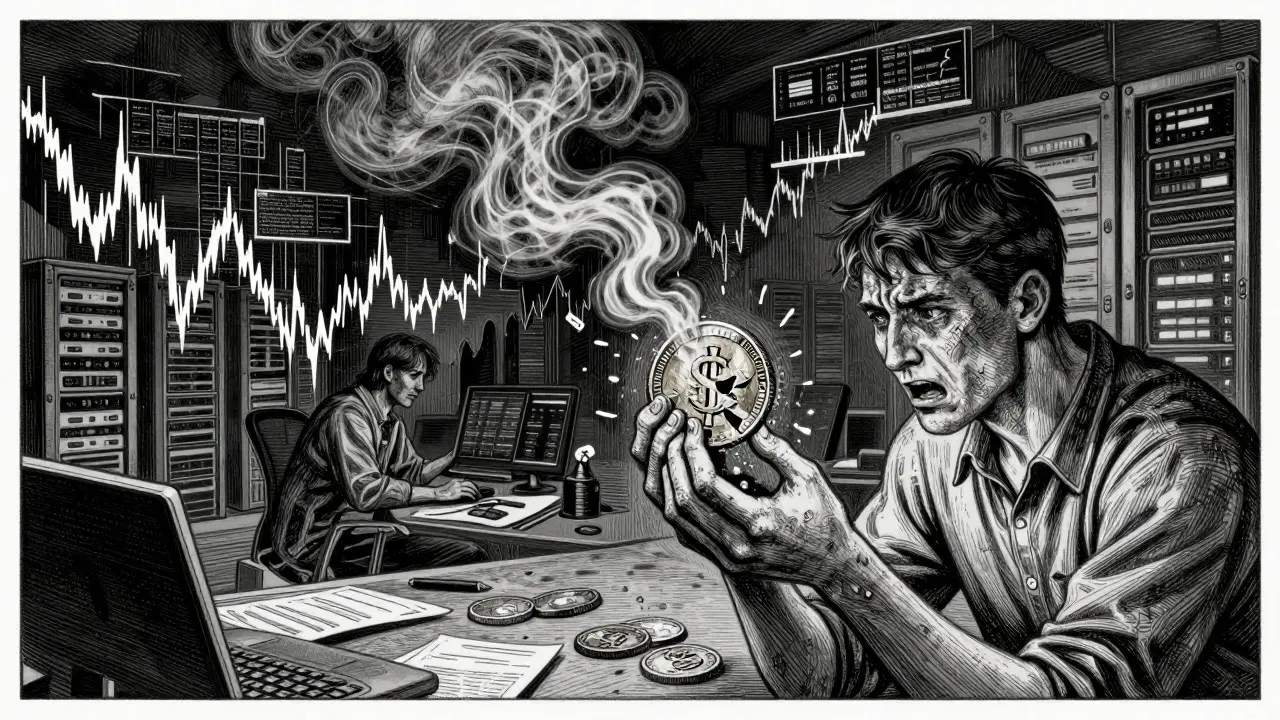
Buying Bitcoin or an NFT in Australia used to feel like a gamble with no safety net. If your exchange collapsed, your money often vanished into thin air. That era is ending. The Australian government is moving fast to bring crypto consumer protection under the same strict umbrella as traditional banking and stock trading. This isn't just bureaucratic red tape; it’s a fundamental shift that changes how you buy, hold, and sell digital assets.
The core of this change comes from the Treasury Laws Amendment Bill 2025. It introduces two new categories: Digital Asset Platforms (DAP) and Tokenised Custody Platforms (TCP). Together, they form what regulators call 'crypto platforms.' The big takeaway? To operate legally in Australia, these platforms must now get an Australian Financial Services Licence (AFSL). This means they play by the same rules as banks and super funds. For you, the investor, this translates to real accountability. No more hiding behind 'it's just a tech startup' excuses when things go wrong.
What Counts as a Regulated Crypto Platform?
Not every website where you can swap tokens is covered by the new rules, but the scope is wide. The legislation targets three main types of assets:
- Commodity-like assets: This includes major cryptocurrencies like Bitcoin and Ethereum.
- Collectible assets: Think Non-Fungible Tokens (NFTs), though those used purely inside video games are currently excluded.
- Bearer-like assets: This covers stablecoins (like USDT or USDC) and tokenized versions of traditional securities.
If a platform lets you trade these assets, it likely needs a license. However, there is a small-business exemption. If a platform keeps customer balances under $5,000 per person and total annual transactions below $10 million, they might be exempt from the full licensing burden. This aims to keep innovation alive for smaller players while locking down the big exchanges where most retail money sits.
The Big Shift: From Fragmented Rules to One Framework
For years, Australian crypto regulation was a patchwork. Different agencies handled different pieces, leaving gaps that bad actors loved to exploit. Let’s look at how it worked before versus how it works now.
| Aspect | Previous Approach (Pre-2025) | New Proposed Framework (2025+) |
|---|---|---|
| Primary Regulator | Split between AUSTRAC (AML) and ASIC (Financial Products) | Unified under ASIC via Corporations Act 2001 |
| Licensing Requirement | Only if asset classified as a financial product | Mandatory AFSL for all DAPs and TCPs |
| Consumer Compensation | Varied; often none for non-financial products | Required compensation arrangements similar to traditional finance |
| Penalties for Breach | Inconsistent across agencies | Up to $16.5 million or more for serious breaches |
| Scope of Assets | Unclear boundaries for NFTs and Stablecoins | Clear inclusion of commodities, collectibles, and bearer assets |
This consolidation removes the guesswork. Previously, if you bought a stablecoin, it wasn’t always clear if ASIC had jurisdiction. Now, if it’s traded on a platform, the platform is regulated. This clarity is designed to protect you from misleading marketing and poor custody practices.
Why Did Australia Move So Fast?
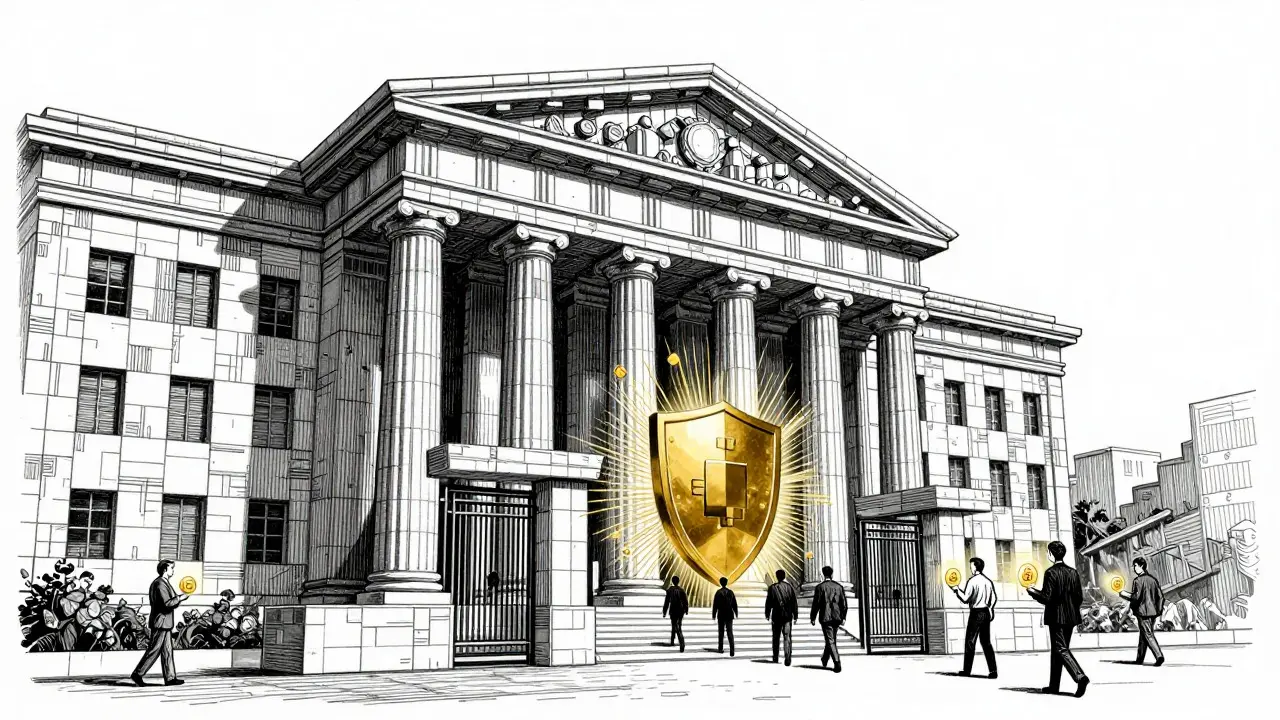
You didn’t see this coming out of nowhere. The catalyst was the collapse of FTX in late 2022. When the exchange went bust, thousands of Australians lost access to their funds. It exposed a glaring hole in the system: unlike bank deposits, crypto holdings weren’t protected by the Financial Claims Scheme.
Assistant Treasurer Daniel Mulino put it bluntly: the goal is to "legitimize good actors and shut out bad" ones. The government launched a 'token mapping exercise' in 2023 to understand exactly which assets needed protection. The result is a framework that doesn’t ban crypto-it regulates the *platforms* where you buy it. This is a crucial distinction. Issuers of tokens aren’t necessarily being regulated here; the intermediaries are. This keeps the door open for innovation while ensuring the shopkeepers follow the law.
What This Means for Your Wallet
So, how does this actually affect your daily trading habits? Here are the practical implications:
- Higher Trust Standards: Licensed platforms must meet competence and training standards for their managers. They need robust risk management protocols. If something goes wrong, there are mandatory dispute resolution mechanisms.
- Stricter Marketing Rules: Even if a specific token isn’t a 'financial product,' general consumer laws still apply. Misleading claims about returns or safety are now easier to prosecute because the platform itself is liable.
- KYC is Non-Negotiable: Anti-Money Laundering (AML) checks remain strict. You’ll continue to verify your identity through Know Your Customer (KYC) processes. This prevents anonymous fraud and ensures suspicious activity is reported to AUSTRAC.
- Potential Cost Increases: Compliance costs for exchanges will rise. Some of this may be passed on to users through higher fees. However, many industry leaders, like the CEO of OKX Australia, argue this is worth it for long-term stability.
One thing to watch: the 'low-risk' exemption. If you use a very small, niche exchange, check if they qualify for the exemption. While they don’t need an AFSL, they still must comply with AML laws and basic consumer protections. But you won’t have the same level of recourse if they fail compared to a fully licensed giant.
Industry Reaction and the Road Ahead
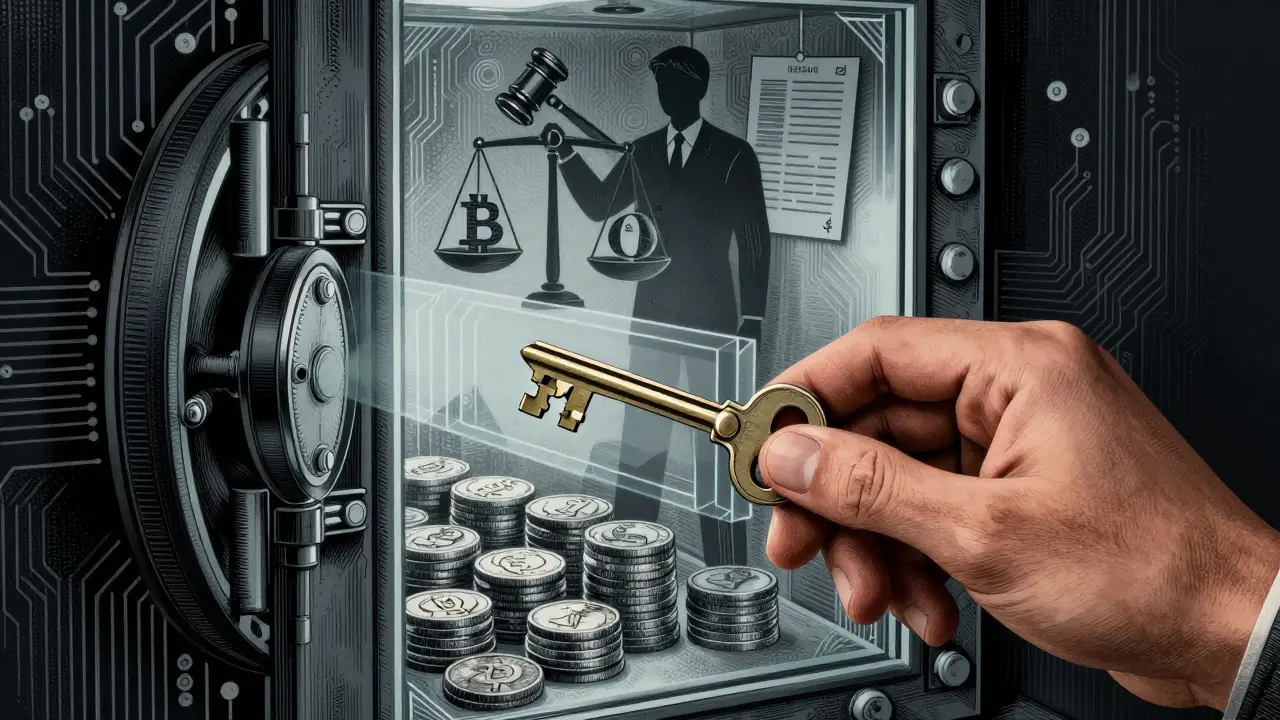
Surprisingly, the industry has largely backed these changes. Companies like Independent Reserve and BTC Markets support the bill. Why? Because regulatory uncertainty kills growth. Investors want to know their money is safe. By bringing crypto into the mainstream legal framework, Australia is signaling that it wants to be a global leader in digital assets, not a playground for scammers.
The consultation period for the draft legislation ran through October 2025. As of mid-2026, the focus is on implementation. The success of these laws depends on enforcement. If unlicensed offshore platforms can still undercut local, compliant exchanges, the protection is weak. ASIC is expected to ramp up its monitoring to ensure that responsible operators aren’t squeezed out by rogue competitors.
For you, the message is simple: do your due diligence. Check if your exchange holds an AFSL. Look for clear disclosures about risks. And remember, while the safety net is getting stronger, crypto remains a volatile asset class. These rules protect you from fraud and mismanagement, not from market crashes.
Frequently Asked Questions
Do I need to do anything differently to buy crypto in Australia now?
Not immediately in terms of buying. However, you should verify that your exchange is licensed or preparing for licensing. Keep an eye on fee structures, as compliance costs may lead to slight price adjustments. Ensure you complete all KYC steps, as these are becoming even more standardized across licensed platforms.
Are NFTs fully protected under the new laws?
Mostly, yes. Collectible NFTs are included in the scope of Digital Asset Platforms. However, NFTs used exclusively within gaming ecosystems are currently excluded. If you are trading NFTs on a general marketplace, the platform will likely fall under the new regulatory regime.
What happens if my unlicensed exchange goes bankrupt?
If the platform is unlicensed and falls outside the 'low-risk' exemption, you may face significant hurdles recovering funds. There is no guaranteed compensation scheme for unlicensed entities. This is why the push for licensing is so strong-to create a clear path for compensation and dispute resolution.
Will these rules stop me from using foreign exchanges?
The rules primarily target platforms offering services *in* Australia. Foreign exchanges that actively market to Australians without a license could face penalties. However, enforcement on purely offshore platforms with no Australian presence remains complex. Most major global exchanges are setting up Australian subsidiaries to comply.
How does this compare to US or EU regulations?
Australia’s approach is distinct because it integrates crypto into existing financial services law rather than creating a separate 'crypto law.' The EU has MiCA (Markets in Crypto-Assets), which is also comprehensive. The US is still fragmented across SEC and CFTC jurisdictions. Australia’s model aims for faster, clearer integration with the traditional banking sector.