Georgia has become one of the most unexpected success stories in global cryptocurrency mining. While countries like the U.S. and China wrestle with shifting policies, Georgia has built a clear, stable, and investor-friendly system that’s drawing miners from Europe, Asia, and North America. By 2025, the country accounted for nearly 5% of global mining activity - up from less than 1% in 2019. That’s not luck. It’s policy.
Is crypto mining legal in Georgia?
Yes. Completely. There are no bans. No restrictions on owning mining rigs. No limits on how much electricity you can use for mining. The government doesn’t just tolerate crypto mining - it encourages it. The National Bank of Georgia (NBG) doesn’t treat cryptocurrency as money, but as personal property. That simple distinction makes all the difference. If you mine Bitcoin in Georgia, you don’t pay income tax on the coins you earn. Not a penny. Not even when you sell them. That’s rare anywhere in the world.For individuals, it’s almost effortless. Buy a few ASIC miners, plug them into a cheap power line in the mountains near Svaneti or Racha, and keep the profits. No registration. No paperwork. No reporting. The state doesn’t track your personal mining. It doesn’t care how many rigs you run - as long as you’re not running a business.
What if you’re running a mining business?
If you’re operating at scale - more than a few dozen rigs, hiring staff, using commercial facilities - then you’re no longer an individual. You’re a company. And Georgia has rules for that.Since January 1, 2023, any business involved in crypto services must register under the Virtual Asset Service Provider (VASP) law. This isn’t a mining license. It’s a financial services license. It covers exchanges, wallet providers, custodians, and any company that handles crypto transfers. But here’s the catch: if your mining company also sells coins, manages client wallets, or trades assets, you need VASP registration. If you just mine and keep the coins? You don’t. You still need to register your business like any other company - with the Ministry of Economy, pay corporate tax, and follow standard labor and safety rules. But you don’t need crypto-specific approval.
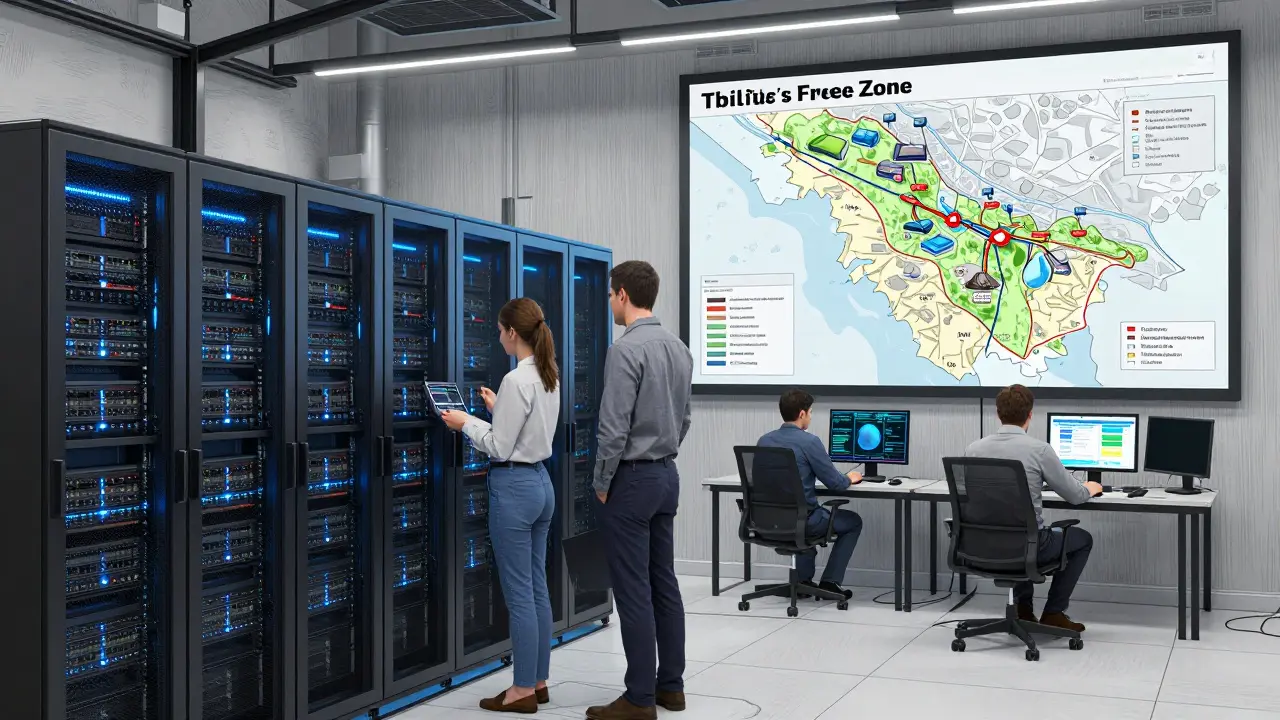
The real value for businesses comes from two paths: the mainland VASP license and the Tbilisi Free Zone (FIZ) license. The mainland route requires full AML/CFT compliance. You must verify every customer, report suspicious transactions, and submit quarterly reports to the Financial Monitoring Service (FMS). The FIZ route is different. If you set up your company in the Tbilisi Free Zone, you get tax-free status, no foreign ownership restrictions, and lighter reporting. Many large mining firms use this option - especially those funded by international investors.
How much does it cost to get licensed?
The cost depends on which path you take. For a mainland VASP license, expect:- Company incorporation: $500-$1,200
- Licensing application fee: $2,000
- Annual renewal: $1,500
- Security audit and AML training: $3,000-$7,000 (one-time)
- Monthly compliance costs: $500-$1,500 (depending on transaction volume)
For the Tbilisi Free Zone, the numbers are lower:
- Company setup: $300-$800
- Licensing fee: $1,000
- Annual renewal: $500
- No mandatory AML training for mining-only operations
That’s a big difference. For a mining-only company with no trading or wallet services, the FIZ route saves tens of thousands per year. Many firms start in the FIZ, then expand into the mainland system later if they add exchange services.
Energy costs and infrastructure
Georgia’s biggest advantage isn’t just regulation - it’s electricity. The country generates most of its power from hydropower, and rates are among the lowest in Europe. Industrial electricity costs around $0.03 per kWh in mining zones. In comparison, Texas averages $0.06, Kazakhstan $0.04, and Kazakhstan’s mining hubs are often unreliable due to grid instability. Georgia’s grid is stable, and its mountainous terrain naturally cools mining hardware. No need for expensive liquid cooling systems.Miners have clustered in three key areas:
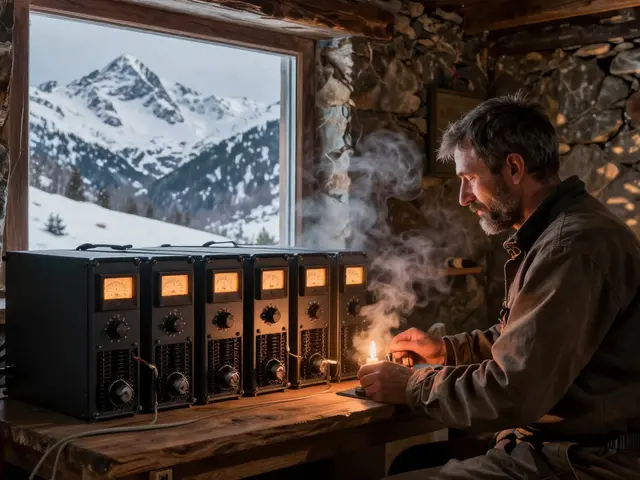
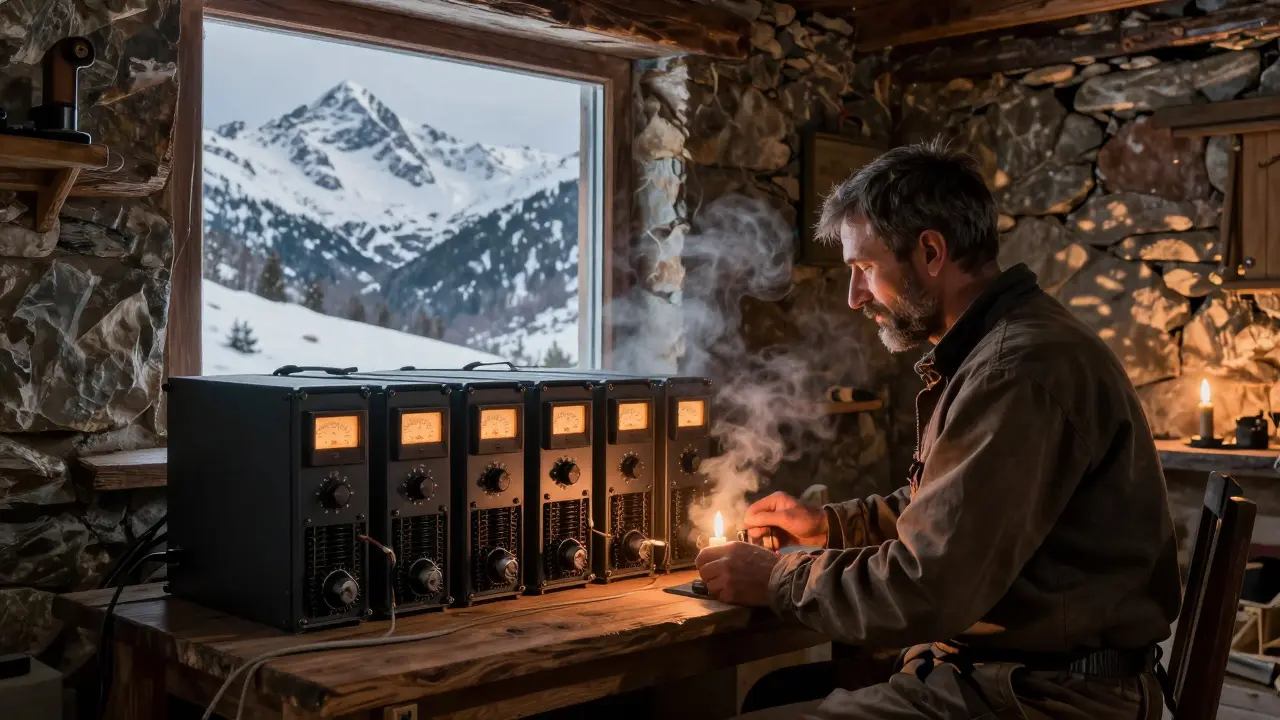
- Mountain regions (Svaneti, Racha, Khevsureti): Ideal for small-scale, low-cost operations. Power is cheap, but internet and cooling can be spotty.
- Tbilisi: Best for companies needing high-speed fiber, data centers, and access to banks. Most VASP-registered firms operate here.
- Kutaisi: A growing industrial hub with new data centers and tax incentives. Popular with Chinese and Russian mining firms relocating after crackdowns.
Georgia’s total electricity use from crypto mining is about 2% of national consumption. That’s low. It means the government isn’t pressured to cut power to homes. And because mining doesn’t strain the grid, there’s no political backlash - unlike in places like Kazakhstan or Texas.
Regulatory risks and what’s coming
Don’t get complacent. Georgia’s rules are clear today - but they’re still evolving. The full VASP framework won’t be complete until 2026. The Financial Monitoring Service is actively building blockchain monitoring tools and has already flagged several suspicious mining pools for investigation. If you’re running a business, you must:- Keep records of all mining hardware purchases
- Document where your electricity comes from
- Report any large crypto transfers (over $10,000 equivalent)
- Ensure employees complete AML training if you’re VASP-registered
There’s also talk of a new energy usage cap for mining. The government doesn’t want to become a net exporter of electricity to miners. They’re fine with mining - but not if it means blackouts in Tbilisi. So far, no limits have been enforced, but operators should prepare for future restrictions.

Who’s mining in Georgia?
The biggest players aren’t individuals. They’re institutional firms from the U.S., South Korea, and Eastern Europe. One U.S.-based mining company moved its entire operation from Texas to Kutaisi in 2024, citing lower costs and better regulation. A South Korean fund now runs a 100-megawatt facility in Tbilisi. Even a major Chinese mining pool relocated its headquarters to Georgia after China’s 2021 ban.These aren’t fly-by-night operations. They’re long-term investments. They choose Georgia because it’s predictable. You know the rules. You know the taxes. You know who to talk to. That’s worth more than cheap electricity alone.
What’s next for Georgia’s crypto mining scene?
The government isn’t stopping here. Plans are underway to build a national blockchain registry, integrate crypto payments into public utilities, and launch a digital Georgian lari (a central bank digital currency). They’re also negotiating with the IMF to become a regional blockchain compliance hub. By 2027, Georgia could be the go-to jurisdiction for crypto companies in Eastern Europe and Central Asia.If you’re thinking about mining, now is the time. The window for easy entry is still open. But the rules are tightening. The longer you wait, the more compliance you’ll need. Start small. Test the waters. If it works, scale up. Georgia’s not just a mining hotspot - it’s a legal safe haven.