
Creating fake identification documents to bypass verification on cryptocurrency exchanges is not a clever loophole. It is a serious federal crime with severe penalties. As of July 2026, the landscape for digital asset regulation has hardened significantly. Exchanges are under intense scrutiny from agencies like the Securities and Exchange Commission (SEC), the Financial Crimes Enforcement Network (FinCEN), and the Department of Justice (DOJ). Attempting to access these platforms using forged documents triggers a cascade of legal liabilities that extend far beyond simple account suspension.
The motivation behind this fraud often stems from a desire to hide one's identity or evade sanctions. However, the technology used to detect such fraud has evolved just as rapidly. What was once a simple photo upload is now a multi-layered biometric and data verification process. Understanding the legal and technical realities of document forgery in the crypto space is crucial for anyone involved in digital finance, whether as a user, a developer, or a compliance officer.
The Evolution of Digital Identity Fraud
The methods used to forge documents for crypto exchange access have become increasingly sophisticated. In the early days of cryptocurrency, basic Photoshop edits might have sufficed. Today, fraudsters utilize AI-generated deepfakes and synthetic identity packages. These tools create complete identities, including government-issued IDs, utility bills, and even video responses designed to pass live verification checks.
Cybersecurity investigations have documented the sale of these advanced forgery kits on dark web marketplaces. Prices range from $15 to $500 depending on the complexity. These packages often include:
- Synthetic government IDs with valid formatting and holograms.
- Fabricated utility bills matching the fake address.
- AI-animated videos that blink and move naturally to deceive automated liveness detection systems.
This technological arms race means that exchanges can no longer rely on simple visual inspections. They must employ advanced algorithms capable of detecting microscopic inconsistencies, such as irregular lighting reflections in eyes or artificial blinking patterns. The use of virtual cameras to present pre-recorded synthetic content during authentication is now a known threat vector that modern Know Your Customer (KYC) systems are specifically designed to counter.
Federal Legal Consequences for Individuals
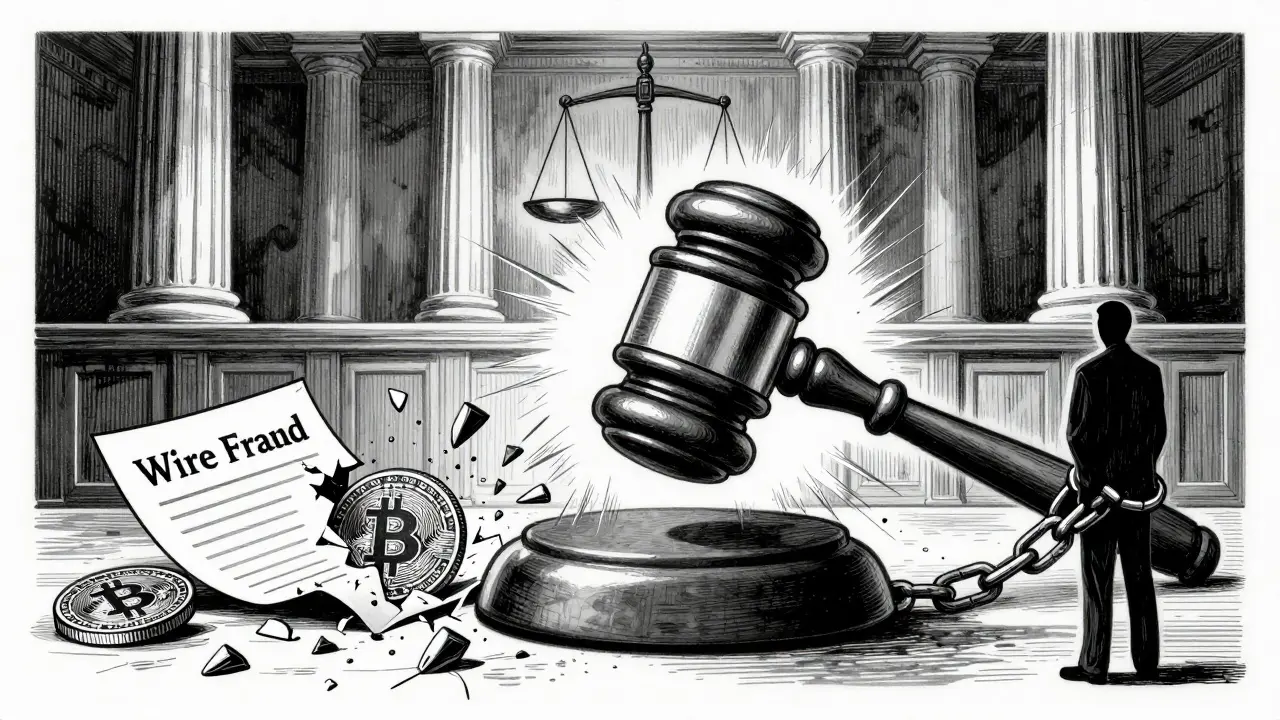
When an individual uses forged documents to access a crypto exchange, they are not merely breaking platform rules. They are violating federal law. The primary charges typically fall under securities fraud, wire fraud, and money laundering statutes. These are white-collar crimes treated with extreme severity by the Department of Justice.
Consider the potential penalties:
- Wire Fraud: Using electronic communications to execute a fraudulent scheme can result in up to 20 years in prison per count.
- Securities Fraud: If the forged access leads to investment in unregistered financial products or deceptive trading practices, SEC violations apply, carrying significant fines and imprisonment.
- Money Laundering: Concealing the source of funds through fake identities violates the Bank Secrecy Act and related anti-money laundering laws, potentially leading to decades in prison and massive asset forfeiture.
Prosecutors look for intent. To secure a conviction, they must demonstrate that the defendant knowingly used false documents with the specific intent to circumvent regulatory requirements. Given the sophistication of modern forgery tools, claiming ignorance is rarely a successful defense. The federal sentencing guidelines consider factors such as the total loss amount, the number of victims, and the defendant's role in any larger criminal organization.
Exchange Liability and Regulatory Scrutiny
The responsibility does not lie solely with the fraudster. Cryptocurrency exchanges face substantial liability if they fail to implement adequate safeguards against document forgery. Regulators expect platforms to verify user identities and monitor suspicious transactions rigorously. Failure to do so can result in severe penalties for the exchange itself.
A notable example is the November 2022 settlement between the Office of Foreign Assets Control (OFAC) and Kraken. The exchange faced scrutiny for apparent violations of sanctions regulations, highlighting the risks of inadequate compliance measures. Exchanges can be held liable for:
- Knowingly facilitating fraudulent schemes.
- Failing to maintain AML/KYC compliance standards.
- Breaching fiduciary duties to legitimate users.
- Engaging in deceptive practices regarding platform security.
If an exchange allows accounts linked to known fraudulent schemes to operate without intervention, it opens itself up to lawsuits from defrauded users and enforcement actions from regulators. The regulatory expectation is clear: platforms must act as responsible intermediaries in the digital finance marketplace.
Detection Technologies and Verification Systems
To combat sophisticated forgery, exchanges have adopted multi-layered detection systems. Modern KYC solutions do not rely on a single point of authentication. Instead, they employ a combination of technologies to ensure identity integrity.
| Technology | Function | Effectiveness Against AI Forgery |
|---|---|---|
| Deepfake Detection Algorithms | Analyzes video feeds for artificial artifacts and unnatural movements. | High; identifies subtle inconsistencies in facial muscle movements. |
| Document Element Analysis | Checks for inconsistencies in fonts, holograms, and security features. | Medium-High; detects high-quality prints but struggles with perfect digital replicas. |
| External Database Verification | Cross-references provided data with government and credit bureaus. | Very High; invalidates synthetic identities lacking real-world footprints. |
| Risk Scoring Systems | Uses pattern recognition to flag unusual behavior or data combinations. | High; identifies statistical anomalies in application data. |
Verification specialists at major exchanges describe a continuous evolution in detection methods. Systems now identify indicators invisible to the human eye, such as lighting reflection irregularities in pupils. Each new forgery method discovered is incorporated into training databases, making it harder for fraudsters to succeed over time. This creates a dynamic environment where staying ahead requires constant investment in security infrastructure.
Compliance Requirements for 2026
The regulatory landscape in 2026 demands more than just basic ID checks. Agencies have established clear expectations for robust identity verification protocols. Compliance requirements now explicitly address the need for:
- Multi-Factor Authentication (MFA): Ensuring that access requires multiple forms of verification beyond just a document.
- Advanced Biometric Verification: Using fingerprint, iris, or voice recognition to confirm physical presence.
- Continuous Monitoring: Implementing systems that detect suspicious activity throughout the user lifecycle, not just at onboarding.
Exchanges serving U.S. persons or handling significant transaction volumes face particular attention. The trend is toward stricter liability standards, potentially including civil liability for damages resulting from inadequate fraud prevention. This shift reflects the maturation of the digital asset ecosystem and the increasing importance of trust in financial markets.

Practical Steps for Users and Businesses
For individuals, the message is straightforward: never attempt to bypass verification using fake documents. The risks outweigh any perceived benefits. For businesses operating in the crypto space, investing in comprehensive KYC/AML solutions is not optional-it is essential for survival.
Businesses should:
- Partner with reputable third-party verification providers who specialize in AI-driven fraud detection.
- Regularly audit their compliance procedures to ensure they meet current regulatory standards.
- Train staff to recognize signs of document forgery and suspicious behavior.
- Implement transparent policies regarding identity verification and data privacy.
By prioritizing security and compliance, exchanges can protect themselves from legal repercussions and build trust with their user base. In an industry where reputation is paramount, robust fraud prevention is a competitive advantage.
Long-Term Implications for the Industry
The fight against document forgery will continue to shape the future of cryptocurrency. As technology advances, so too will the methods used to deceive verification systems. However, the legal framework is also evolving to keep pace. We can expect stricter regulations, higher penalties for non-compliance, and greater emphasis on transparency.
Industry experts emphasize that successful prosecution relies on demonstrating intent and actual financial losses. This evidentiary standard ensures that justice is served while protecting innocent parties. The intersection of technology and law creates complex challenges, requiring specialized expertise in both cybersecurity and financial crimes.
Ultimately, the goal is a secure and trustworthy digital finance ecosystem. By understanding the legal consequences of document forgery and investing in effective prevention measures, all stakeholders can contribute to this objective. The era of easy anonymity in crypto is ending, replaced by a new standard of accountability and security.
What are the immediate legal consequences of using a fake ID for a crypto exchange?
Using a fake ID for crypto exchange access is a federal crime. Immediate consequences include account closure, freezing of assets, and potential arrest. You may face charges of wire fraud, securities fraud, and money laundering, which can lead to decades in prison and significant fines.
Can exchanges be held liable if they allow forged documents?
Yes. Exchanges can face regulatory penalties, lawsuits from defrauded users, and loss of license if they fail to implement adequate KYC/AML safeguards. Regulators like the SEC and FinCEN hold platforms accountable for maintaining security standards.
How do exchanges detect AI-generated fake documents?
Exchanges use advanced algorithms to detect deepfakes and synthetic identities. These systems analyze video feeds for unnatural movements, check document elements for inconsistencies, and cross-reference data with external databases to verify authenticity.
Is it possible to appeal a ban for suspected document forgery?
Appeals are generally difficult if forensic evidence confirms forgery. Exchanges work closely with law enforcement, and providing false information during an appeal can worsen your legal situation. It is best to consult with a lawyer specializing in financial crimes.
What is the maximum prison sentence for crypto-related document fraud?
Sentences vary based on the specific charges and circumstances. Wire fraud and securities fraud can each carry up to 20 years in prison. Money laundering convictions can add additional years. Multiple counts are often combined, leading to lengthy sentences.

Oh please, spare me the government propaganda 🙄 They just want to control every single cent you earn. It's not about 'security' it's about surveillance capitalism run amok! The whole KYC thing is a massive overreach designed to crush financial freedom. I mean seriously, do they really think we're all stupid enough to fall for this fear-mongering? 😂
The deepfake detection algorithms are basically backdoors for the NSA to harvest biometric data on everyone. Think about it. Why would private companies need such advanced AI unless they were feeding directly into a centralized database of citizens? It's the panopticon. They claim it's for fraud but it's actually for social credit scoring. You blink wrong and your assets freeze. It's dystopian.
I guess there is some truth to what Eric is saying about the data collection aspect, though maybe he is blowing it out of proportion slightly. But Andrew, calling it all propaganda doesn't help anyone understand the actual legal risks involved here. People genuinely get in trouble for this stuff.
Look, let's be real here. If you are smart enough to forge an ID that passes these checks, you are also smart enough to know you are committing federal crimes. Wire fraud is no joke. Twenty years in prison is not a risk worth taking for a few extra dollars in trading limits. Just use your own damn identity or stay off the platform. It is that simple. Stop looking for loopholes that don't exist anymore because the tech has caught up.
people are so naive thinking technology saves them. it never does. the system is rigged from the start. why fight a losing battle when you can just opt out entirely. anonymity is dead long live privacy in other forms i suppose
Ugh, reading all this makes my head spin!! 😩 But honestly, Kat here thinks we should just be honest folks! No need for fake IDs or shady business!!! Let’s keep it clean and safe for everyone!! 🌈✨ Trust is everything after all!!!
the problem is the verification itself is flawed. humans make mistakes too. sometimes good people get flagged. its a mess. i dont trust any of these systems to be fair. they are biased against certain demographics. its just another layer of oppression disguised as security. typical.
This is exactly why American exchanges are better than those offshore garbage operations. We have rules. We have standards. Other countries can keep their lax regulations and money laundering havens. Here, we expect compliance. If you can't meet the standard, you don't belong in the US financial ecosystem. Simple as that. Protect our economy first.
It is truly fascinating how this discussion reveals the deep underlying tensions between individual liberty and collective security that define our modern digital existence. While some argue for absolute privacy, others rightly point out the necessity of robust frameworks to prevent criminal exploitation. Perhaps the solution lies not in rejecting these technologies outright, but in demanding greater transparency and accountability from the entities deploying them. We must strive for a balance where innovation serves humanity rather than controlling it, ensuring that no one is left behind in this rapidly evolving landscape of digital finance and identity verification protocols.