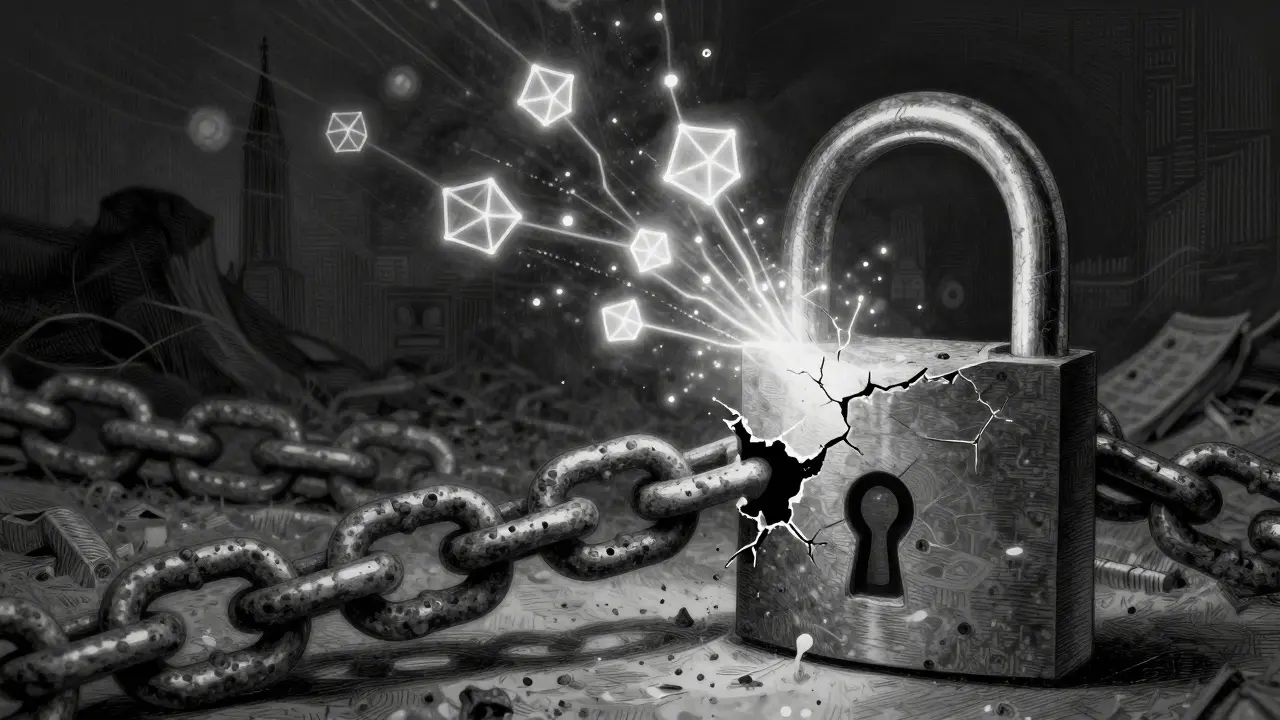
Most people assume that a state-controlled economy like Cuba would ban digital assets to keep a tight grip on money. In reality, the opposite happened. Cuba didn't just tolerate crypto; it became one of the first countries to officially recognize Bitcoin is a decentralized digital currency that allows peer-to-peer transactions without the need for a central authority and other cryptocurrencies as legal payment methods. Why? Because when your traditional banking system is crippled by decades of sanctions, digital assets aren't just a tech trend-they are a survival tool.
The Breaking Point: Why Cuba Went Digital
For over 60 years, U.S. economic sanctions have essentially locked Cuba out of the global financial grid. Imagine trying to run a business or support your family when you can't use a credit card, access PayPal, or shop on Amazon. The situation hit a boiling point in 2020 when Western Union, a lifeline for millions, shut down over 400 locations across the island. This left a massive void in how money moves in and out of the country.
The Cuban government realized that the old ways of moving money were too fragile. They needed a system that didn't rely on New York banks or international clearinghouses. This is where Blockchain technology stepped in. By legalizing crypto, the government gave citizens a way to bypass the roadblocks of the traditional banking system, allowing them to receive money from relatives abroad and pay for digital services without needing a sanctioned bank account.
How the Government Actually Regulates Crypto
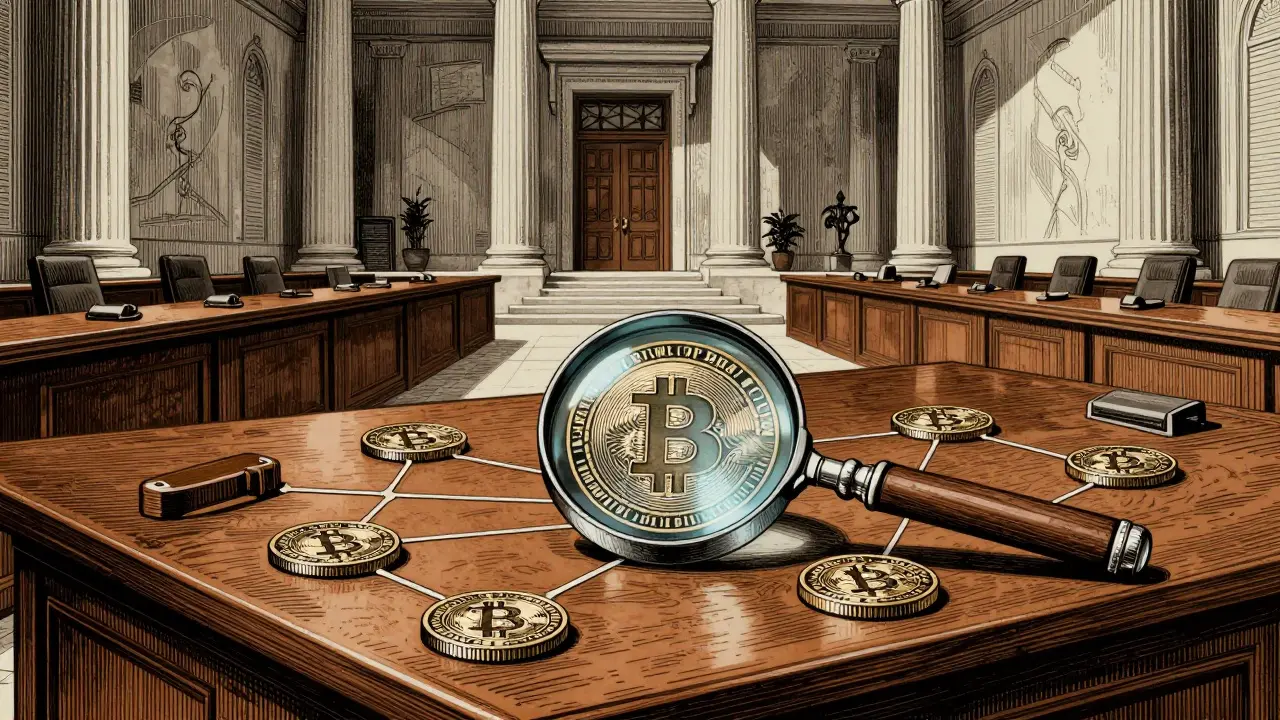
Unlike some countries that let crypto grow in a "gray market," Cuba decided to bring it into the light. The Central Bank of Cuba (BCC) stepped in with Resolution 215, giving itself the power to license crypto service providers. They aren't just letting anyone start an exchange; the BCC evaluates the "socio-economic interest" of every proposal to ensure the operation benefits the country.
To keep things clean, the government implemented strict rules to stop money laundering and terrorism financing. If you want to run a crypto business in Cuba, you have to get the thumbs up from the General Directorate of Investigation of Financial Operations. It's a sophisticated setup: they want the economic benefits of the Cuban crypto adoption but are terrified of attracting international penalties or facilitating illegal trades.
| Feature | Traditional Banking | Cuban Crypto Framework |
|---|---|---|
| Access to Global Markets | Highly Restricted (Sanctions) | Open via Digital Assets |
| Remittance Speed | Slow / Often Blocked | Near Instant |
| Regulatory Oversight | External (OFAC/US) | Internal (BCC) |
| Infrastructure | Legacy Banks | Digital Wallets & Mining Farms |
From Remittances to Mining Farms
For the average Cuban, crypto is primarily about survival and family. Between 100,000 and 200,000 people-roughly 1-2% of the population-are actively using assets like Ethereum and Avalanche. If you have a cousin in Miami or Madrid, sending a few tokens is now faster and cheaper than trying to find a loophole in a remittance service.
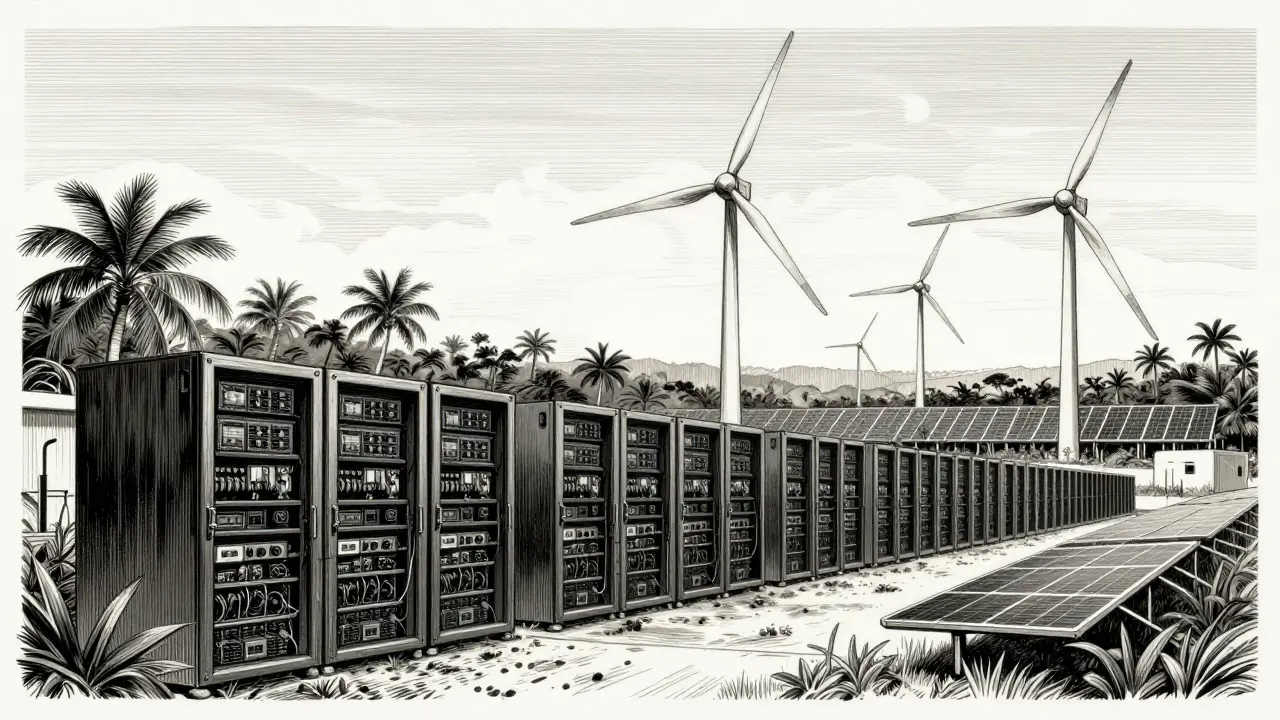
But the government is thinking bigger than just payments. As of 2025, Cryptocurrency Mining is fully legal. Instead of letting people mine in secret, the state created a framework with energy consumption caps and cybersecurity standards. They've actually built mining farms in areas with high wind and solar potential, turning the island's natural resources into digital gold. By partnering with international tech firms, they're not just mining coins; they're training a new generation of local tech experts.
The Friction: Sanctions and Infrastructure
It sounds like a paradise for crypto enthusiasts, but the reality on the ground is messy. Even with government approval, you still have to deal with spotty internet and limited access to the biggest international exchanges. Moreover, the U.S. Treasury's OFAC (Office of Foreign Assets Control) still keeps a close eye on the island. This creates a weird paradox: while the Cuban government says "go ahead," many global platforms still block Cuban IP addresses to avoid U.S. fines.
There is also the issue of ownership. Many Cuban companies are indirectly controlled by state entities like GAESA or Gaviota. This makes international partners nervous. How do you know if you're trading with a private citizen or a sanctioned government agency? This opacity is the biggest hurdle preventing Cuba from fully integrating into the global crypto economy.
A Blueprint for Other Sanctioned Nations?
Cuba's journey shows that blockchain isn't just for speculators or hedge funds; it's a tool for economic sovereignty. By creating a regulated environment rather than a banned one, Cuba has managed to maintain a thin but vital thread of connection to the rest of the world. They've proven that digital assets can function as a parallel financial system when the primary one is intentionally broken.
Looking ahead, the focus is on expanding use cases. We're seeing a shift from simple peer-to-peer transfers to more complex infrastructure development. If other nations facing similar isolation follow this lead, we might see a global shift where "sanction-proof" financial networks become the norm rather than the exception.
Is Bitcoin legal in Cuba?
Yes, Cuba officially recognized Bitcoin and other cryptocurrencies as legal payment methods in August 2021. The Central Bank of Cuba (BCC) regulates these assets to provide an alternative to traditional financial services blocked by sanctions.
Why did Cuba adopt cryptocurrency?
The primary driver was the need to bypass U.S. economic sanctions that prevent Cubans from accessing services like PayPal, Western Union, and international credit cards. Crypto provides a way to receive remittances and conduct online trade.
Can you mine crypto legally in Cuba?
Yes, as of 2025, cryptocurrency mining is legal under government regulations. The state requires licenses and sets caps on energy consumption, often utilizing solar and wind energy to power mining operations.
How many people use crypto in Cuba?
Estimates suggest that between 100,000 and 200,000 Cubans actively use digital assets, representing about 1-2% of the population. This growth is largely driven by the need for alternative remittance channels.
What are the main risks for crypto businesses in Cuba?
The biggest risks are OFAC sanctions and the opaque ownership of many Cuban companies. International firms may fear accidentally doing business with sanctioned state-owned entities, leading to account freezes or legal penalties.
its wild how tech just fills the gaps when governments mess up. hope more people there get the chance to learn these tools and build something cool 🚀
sad that people need this just to survive. digital tools bringing families together is a small win
The systemic fragility of the legacy fiat apparatus in the Caribbean basin is merely a precursor to a wider macroeconomic shift. We are witnessing a crude attempt at regulatory capture by the BCC to mitigate the deleterious effects of geopolitical asphyxiation. The operational opacity regarding GAESA's involvement creates a significant risk premium for any liquidity provider attempting to bridge the gap between decentralized protocols and state-sanctioned frameworks. It is a textbook case of asymmetric information leading to institutional hesitation. The irony is that while the state seeks sovereignty through algorithmic transparency, the governing structures remain stubbornly opaque. Such a paradox ensures that the velocity of capital remains stunted despite the theoretical throughput of the blockchain. The resulting friction is not an anomaly but a feature of the existing regime's attempt to marry totalitarian control with peer-to-peer autonomy. This is effectively a hedge against systemic collapse rather than a strategic pivot toward innovation. One must analyze the delta between the stated socio-economic interest and the actual distribution of mined assets. Without a clear audit trail of state-owned mining operations, the narrative of empowerment is merely a facade for state-sponsored capital accumulation. The discrepancy in IP access further underscores the failure of a purely digital solution to bypass physical and political hegemony. Ultimately, the efficacy of this blueprint is contingent upon the willingness of global exchanges to ignore the specter of OFAC penalties, which is unlikely given the current regulatory climate in the West.
really cool to see them using wind and solar for mining! ☀️ That's a great way to teach the youth about green energy and tech at the same time 💡
Absolutely pathetic. The idea that a state-run regime can successfully implement a decentralized system is a joke. They are merely replacing one form of financial bondage with another, likely using the blockchain to track dissidents more effectively. It is an embarrassment to the concept of liberty.
Stop lying to yourselves! 🛑 The state just wants more control over the money 💸 Pure greed!! 😡
I can see why someone would feel that way, but it's also important to think about the families just trying to get money to their parents. That's the human side of this :)
Oh sure, because the Cuban government is just so famous for being transparent and helpful. I'm sure this is a total paradise for everyone involved and not at all a way to keep the elites in power while the poor mine coins for them.