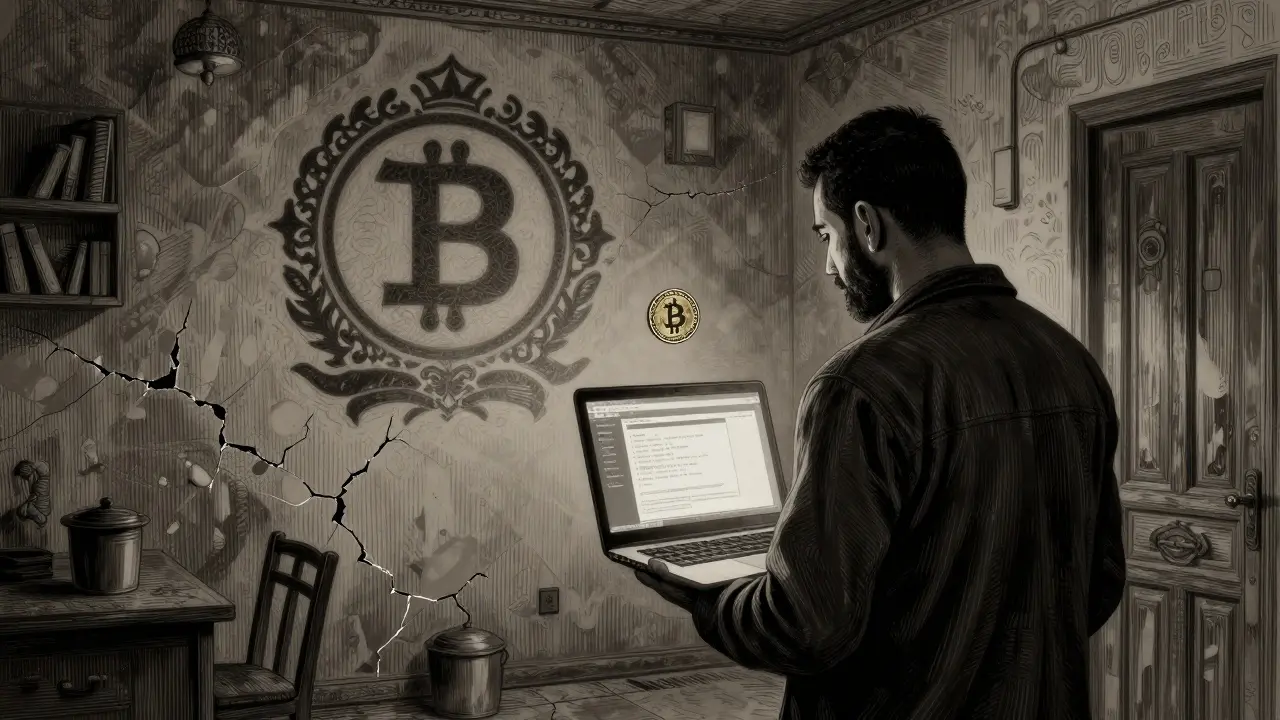
On December 27, 2024, Iran shut down every single website that let people trade cryptocurrency for Iranian rials. No more buying Bitcoin with your salary. No more selling Ethereum to pay rent. Just silence. The Central Bank of Iran didn’t just tighten rules-it pulled the plug. And by September 2025, things got even stricter.
Why Iran Banned Crypto Payments
The Iranian rial has been collapsing for years. Sanctions cut off access to global banking. Inflation hit 50% in 2024 and kept climbing. People lost faith in paper money. So they turned to crypto. Not for speculation-because they needed to survive. Stablecoins like USDT became the new currency. You couldn’t buy groceries with Bitcoin, but you could buy them with $1 worth of USDT. It held value. It moved fast. It didn’t need a bank. Millions of Iranians used it to protect their savings. The government didn’t like that. If people were using crypto to bypass sanctions, they couldn’t control it. If people were using crypto to avoid inflation, they couldn’t print more rials to fix it. So Iran made a choice: let mining continue, but kill domestic trading.The Rules That Changed Everything
Here’s what’s actually banned or limited right now:- No rial-to-crypto payments: You can’t use your bank account to buy crypto on any Iranian exchange. All payment gateways are blocked.
- No crypto-to-rial cashouts: You can’t sell your Bitcoin or USDT and get rials back through any official channel.
- Stablecoin limits: Each person can only buy $5,000 worth of stablecoins per year. Total holdings can’t exceed $10,000. If you have more, you have to sell down-within one month.
- Total advertising ban: No crypto ads on TV, social media, billboards, or YouTube. No influencers promoting exchanges. No ads for wallets or trading apps.
- Government API access: If you want to trade at all, you must use an exchange that gives the Central Bank real-time access to your data-name, ID, transaction history, IP address.
These aren’t suggestions. They’re laws. And they’re enforced.
What Happened to Tether (USDT)?
On July 2, 2025, Tether froze 42 crypto addresses linked to Iranian users. Over half of those wallets were tied to Nobitex, Iran’s biggest exchange. Some were connected to addresses flagged by Israeli counter-terrorism agencies as linked to the IRGC. That wasn’t just a technical move. It was a message: if you’re using crypto to move money outside Iran’s control, we can shut you down-even if you’re just a regular person trying to save your family’s money. After the freeze, Iranian crypto communities went into damage control. Influencers told people: “Sell your USDT. Switch to DAI on Polygon.” Why? Because DAI is decentralized. Polygon is faster and cheaper than Ethereum. And Tether doesn’t control it. It worked. Thousands moved their funds. But it also showed how fragile the system is. One company, one decision, and your life savings could vanish.Miners Are Still Allowed-Here’s Why
Iran is one of the top five Bitcoin mining countries in the world. It produces nearly 4.5% of all new Bitcoin. Why? Because electricity costs less than a penny per kilowatt-hour. The government doesn’t stop mining. In fact, it encourages it. Why? Because mining brings in hard currency-Bitcoin-that can be sold overseas. That Bitcoin pays for imports. That Bitcoin helps Iran survive sanctions. So while you can’t buy crypto with your rial, a state-approved miner can sell Bitcoin to a foreign buyer and get dollars in return. The state takes a cut. The miners get paid. The people? Still stuck with a worthless currency.
The Digital Rial: Iran’s Own Crypto
Iran isn’t just fighting crypto-it’s building its own. The Central Bank launched a digital version of the rial called “Rial Currency.” It’s not Bitcoin. It’s not decentralized. It’s not even blockchain in the true sense. It’s just electronic rials. Controlled entirely by the government. You can’t mine it. You can’t trade it freely. You can’t use it to avoid sanctions. Its only job is to replace physical cash-and give the state even more control over every transaction. A pilot program started on Kish Island, a free-trade zone. The goal? Reduce reliance on the U.S. dollar. But it won’t help ordinary Iranians protect their wealth. It’ll just make it easier for the government to track them.Now There’s a Tax on Crypto
In August 2025, Iran passed the Law on Taxation of Speculation and Profiteering. For the first time, crypto gains are taxed-just like gold, real estate, or foreign currency. The tax isn’t huge yet. But it’s a signal. The government isn’t trying to stop crypto anymore. It’s trying to profit from it. If you make money trading Bitcoin or USDT, you now owe a cut to the state. And if you don’t report it? You risk fines, asset seizures, or worse.What This Means for Regular Iranians
Imagine this: you’re a teacher in Tehran. Your salary is worth half what it was last year. Your kids need medicine. You can’t get dollars from the bank. So you bought $8,000 in USDT last year. Now, you’re told: sell $2,000. You can’t hold more than $10,000. But if you sell, you get rials-money that loses 5% of its value every month. You’re caught. Either you lose your savings to inflation, or you break the law and keep your crypto. That’s the reality for millions. The government wants control. The people want survival. And crypto is the only bridge left.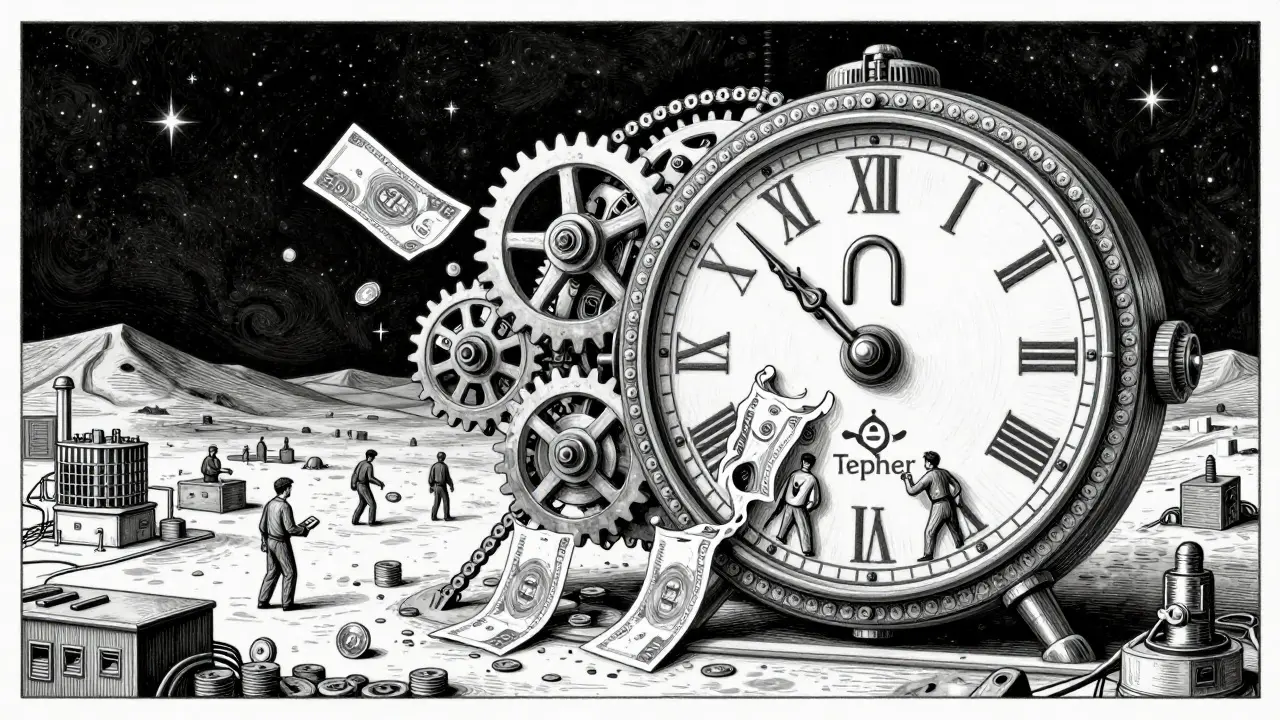
How People Are Getting Around It
Despite the bans, crypto use hasn’t disappeared. It’s just gone underground. - Peer-to-peer trading: People meet in person or use encrypted apps to swap crypto for cash or goods. - Foreign exchanges: Iranians use exchanges outside Iran-Binance, Kraken, Bybit-with VPNs and fake IDs. - Gift cards and prepaid cards: Buy Amazon or Google Play cards with crypto, then sell them locally for rials. - Trade with neighbors: Smuggling crypto across borders into Iraq, Turkey, or Armenia, then cashing out there. None of this is legal. But it’s the only option left.Is This Model Spreading?
Iran’s approach is extreme-but not unique. Venezuela tried something similar. Russia is moving in this direction. North Korea uses crypto to fund its weapons program. The pattern is clear: sanctioned nations see crypto as a lifeline. But they also see it as a threat to their power. So they create a twisted system: allow mining for profit, ban trading for control, tax gains for revenue, and track everything for surveillance. It’s not about stopping crypto. It’s about owning it.What’s Next?
The rial is still falling. Inflation hasn’t slowed. The U.S. and EU are talking about more sanctions. Iran’s digital rial rollout is expanding. Tether could freeze more wallets. The government might raise the $10,000 cap-or lower it to $2,000. One thing’s certain: Iranians won’t stop using crypto. They’ve seen what happens when you trust the system. Now they trust code, not banks. The real question isn’t whether Iran can stop crypto. It’s whether it can stop its own people from using it to survive.Can I still trade crypto in Iran legally?
No. All direct trading between Iranian rials and cryptocurrencies is banned. You can’t buy or sell crypto using bank accounts, payment apps, or Iranian exchanges. The only legal way to trade is through government-approved platforms that give the Central Bank full access to your data-and even those are tightly controlled.
What happens if I have more than $10,000 in stablecoins?
You’re required to reduce your holdings to under $10,000 within one month of the September 2025 rule change. The Central Bank has not yet announced penalties for non-compliance, but past enforcement has included asset freezes and account closures. Holding more than the limit puts you at risk of legal action.
Why is Iran allowing crypto mining but banning trading?
Miners generate Bitcoin, which can be sold abroad for hard currency like dollars or euros. This helps Iran bypass sanctions and import essential goods. But if citizens could trade crypto for rials, it would undermine the government’s control over the currency. Mining brings money in; trading lets people escape the system.
Is USDT still usable in Iran?
Yes-but with extreme risk. Tether has frozen over 40 Iranian-linked wallets since mid-2025. While many still use USDT, users are increasingly switching to DAI on the Polygon network because it’s harder to freeze and doesn’t rely on Tether’s centralized control.
Can I use the digital rial instead of crypto?
The digital rial is not a solution for wealth protection. It’s just an electronic version of the paper rial, fully controlled by the Central Bank. It offers no inflation hedge, no privacy, and no way to move value outside Iran. It’s designed to replace cash-not to replace crypto.
Is crypto trading taxed in Iran?
Yes. Since August 2025, capital gains from crypto trading are taxed under the Law on Taxation of Speculation and Profiteering. Profits are treated like gains from gold, real estate, or foreign currency. Reporting is required, and failure to comply can lead to fines or asset seizure.
What’s the future of crypto in Iran?
It will persist-because the rial won’t stabilize. As long as inflation keeps rising and sanctions stay in place, Iranians will find ways to use crypto. The government will keep trying to control it through bans, taxes, and surveillance. The result? A shadow crypto economy that thrives despite the state’s efforts.
This is wild. People are using crypto just to buy groceries and medicine. I can’t imagine living in a place where your paycheck loses value every week.
so like… iran lets miners mine but bans people from buying btc? lol. that’s not a ban, that’s just stealing. 🤡
Let me get this straight: the government lets people mine Bitcoin because it’s a cash cow for the state, but if you try to use it to save your family from hyperinflation? You’re a criminal. This isn’t regulation-it’s economic tyranny wrapped in a blockchain hoodie. 🚨 And Tether freezing wallets? That’s not a tech issue-it’s a moral failure. One corporation holds the power to erase someone’s life savings because of geopolitical pressure. We’re not talking about Wall Street gamblers here-we’re talking about teachers, nurses, parents. The fact that people are switching to DAI on Polygon isn’t a workaround-it’s a revolution in survival. And the digital rial? It’s not currency. It’s a surveillance tool with a pretty UI. They don’t want to stop crypto. They want to own it. And they want you to beg for permission to breathe.
Iran is a rogue state. Its entire economy is built on sanctions evasion and terrorist funding. Crypto is merely a tool of its criminal enterprise. The fact that citizens are forced into black-market crypto use is not a tragedy-it is a consequence of their government’s choices. The U.S. must not soften its stance. Sanctions work. Let them starve.
India should learn from this. Let mining. Ban retail trading. Tax gains. Track everything. Perfect model.
Oh, so now we’re impressed by a dictatorship that lets people mine Bitcoin but punishes them for using it? How noble. 🙄 Meanwhile, the same government that froze USDT wallets is probably sitting in a Dubai penthouse with a suitcase full of mined BTC. The real crime isn’t crypto-it’s hypocrisy.
The structural paradox inherent in Iran’s crypto policy reveals a deeper epistemological rupture: the state seeks to co-opt the decentralized ethos of blockchain technology while simultaneously enforcing a centralized, authoritarian control paradigm. The digital rial, as a non-decentralized, non-cryptographically sovereign instrument, functions not as an innovation but as a reassertion of state hegemony over economic agency. The citizen’s choice between inflation and illegality is not a market failure-it is a failure of political legitimacy.
Man, I just read this whole thing and I’m shaking. People are literally using crypto to feed their kids. And the government’s like, ‘nah, you can only hold $10k… and we’re watching you.’ 😔 This isn’t economics-it’s survival. I don’t care what side you’re on, this is heartbreaking. And the fact that they’re switching to DAI? That’s genius. Smart people adapting to a broken system. We need to talk about this more. Not just as tech nerds. As humans.
Iran’s crypto policy is a mirror. It reflects how power behaves when it fears losing control. The state doesn’t hate technology. It hates autonomy. Mining is permitted because it extracts value for the regime. Trading is banned because it empowers individuals. The digital rial isn’t progress-it’s prison with a Wi-Fi password. And the people? They’re not breaking laws. They’re rewriting them with code.