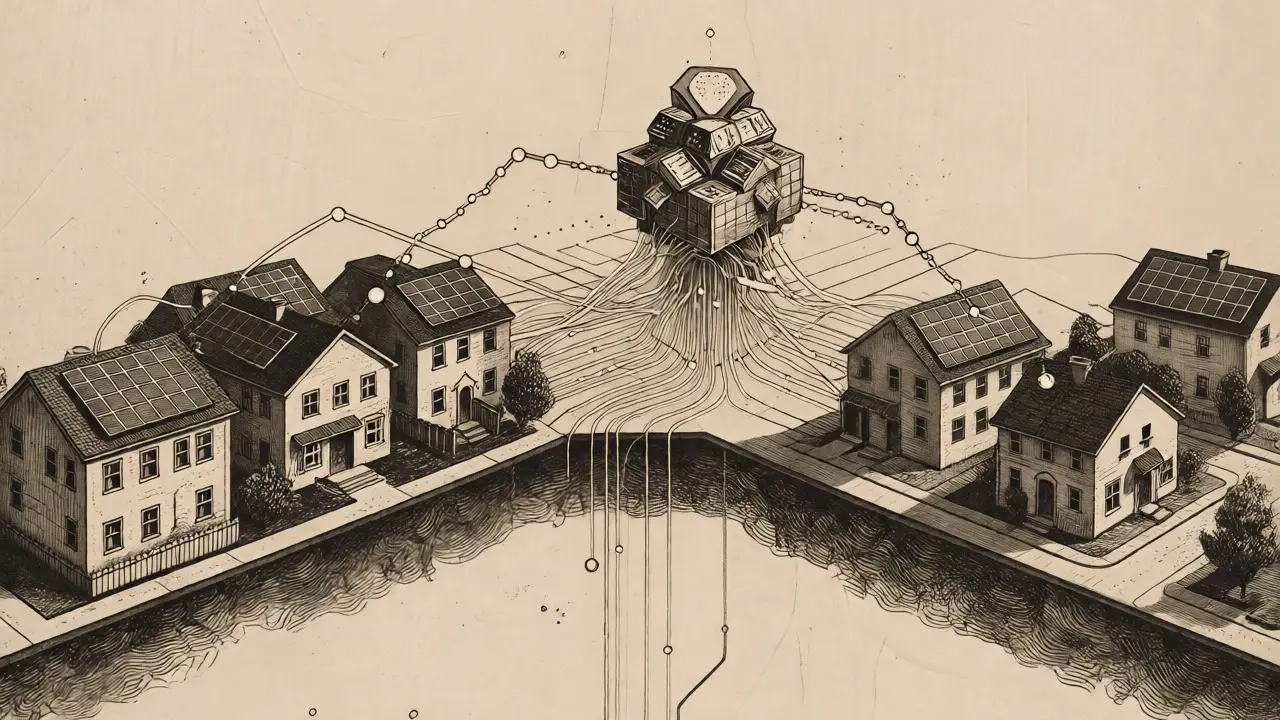
Imagine buying electricity directly from your neighbor’s solar panels instead of waiting for a utility company to distribute it. No middlemen, no opaque billing cycles, just a direct exchange recorded on a digital ledger. This isn’t science fiction; it’s the reality emerging from the intersection of microgrids and blockchain technology. As we move deeper into 2026, this combination is reshaping how we produce, consume, and trade energy, turning passive consumers into active participants in a localized energy market.
Traditional power grids were built for a different era-one where large power plants pushed electricity one way to millions of homes. Today, that model struggles with efficiency losses, lack of transparency, and slow settlement processes. Enter the microgrid: a localized network that can operate independently or alongside the main grid. When you add blockchain to the mix, you get a secure, automated platform for peer-to-peer (P2P) energy trading. But how exactly does this work, and why should you care about the code behind your kilowatt-hours?
The Core Problem with Traditional Energy Markets
Before diving into the tech, let’s look at the friction in current systems. Most local energy coordination relies on central management institutions. These entities handle the complex task of balancing supply and demand, but they often create bottlenecks. Settlement and clearing processes are slow, costs remain high, and data storage can be insecure or fragmented. If you install solar panels, selling excess power back to the grid often involves bureaucratic hurdles and fixed rates that don’t reflect real-time value.
This centralized approach limits market dynamics. You can’t easily negotiate prices with a neighbor who needs power during a peak hour. The system lacks granularity. Blockchain solves this by providing a decentralized ledger that records every transaction immutably. It removes the need for a single point of failure and ensures that trust is established through code rather than institutional reputation.
How Blockchain Transforms Microgrid Operations
A microgrid integrates distributed energy resources like rooftop solar, wind turbines, and battery storage. Without blockchain, coordinating these resources requires complex software and trusted intermediaries. With blockchain, smart contracts automate the entire process. A smart contract is self-executing code stored on the blockchain. It triggers actions when specific conditions are met-such as transferring funds when energy delivery is verified.
This architecture enables several critical functions:
- Peer-to-Peer Trading: Households with surplus energy can sell directly to neighbors. The blockchain verifies the transaction, ensuring both parties receive what they paid for.
- Renewable Energy Certificates (RECs): Blockchain tracks the origin of green energy. Each unit of renewable energy gets a digital certificate, proving its source and preventing double-counting.
- Demand Response: Smart contracts can incentivize users to reduce consumption during peak times. If you lower your usage when the grid is stressed, you automatically earn credits.
- Secure Data Management: Every meter reading and transaction is timestamped and encrypted, creating an audit trail that regulators and consumers can trust.
Key Technologies Behind the Integration
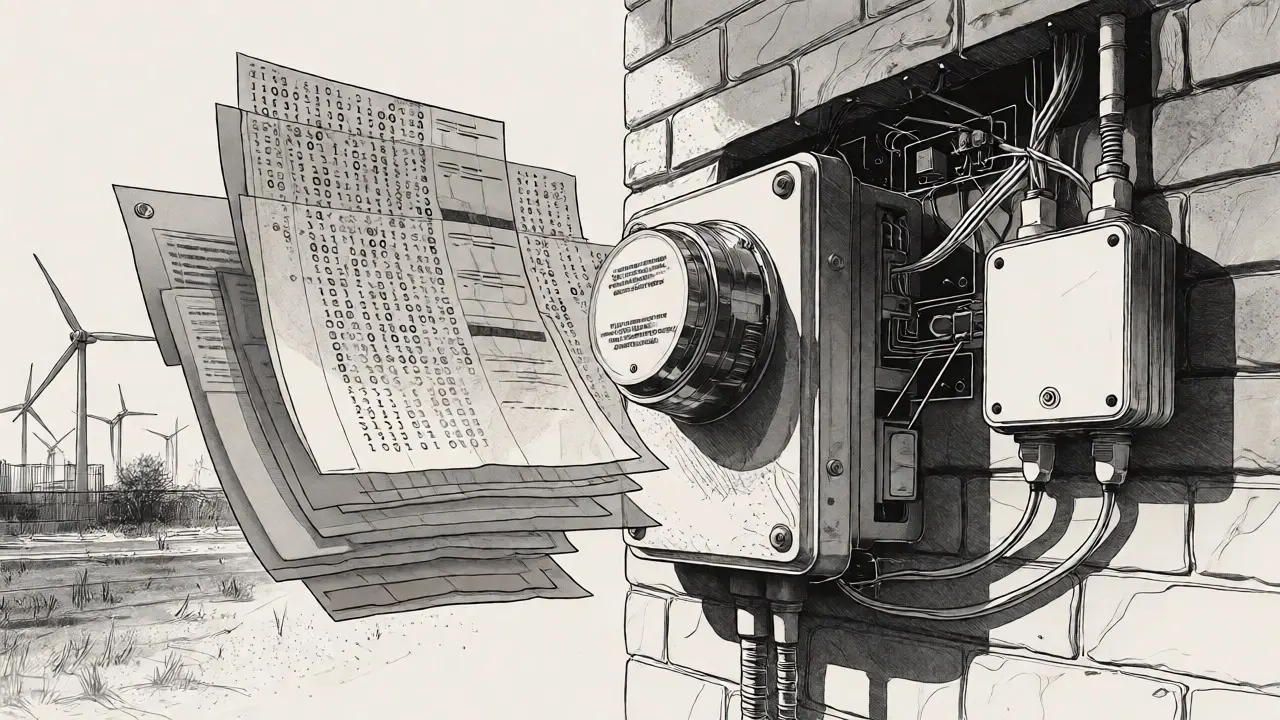
It’s not just about the ledger; it’s about how the hardware talks to the software. The integration relies on Distributed Ledger Technology (DLT), which serves as the backbone for recording transactions. However, DLT alone isn’t enough. It must interface with smart meters and IoT devices that monitor energy flow in real time.
Consider the technical stack. At the physical layer, you have inverters and batteries managing AC/DC flows. At the application layer, blockchain protocols execute trades. The bridge between them is often an oracle-a service that feeds off-chain data (like real-time weather affecting solar output) onto the blockchain. This ensures that smart contracts react to actual physical conditions, not just theoretical models.
| Feature | Traditional Microgrid | Blockchain-Enabled Microgrid |
|---|---|---|
| Control Structure | Centralized authority | Decentralized consensus |
| Transaction Speed | Slow settlement (days/weeks) | Near-instantaneous settlement |
| Transparency | Limited visibility for consumers | Full immutable audit trail |
| Intermediaries | High reliance on utilities/brokers | Minimal to none (code-enforced) |
| Cost Efficiency | Higher operational overhead | Reduced administrative costs |
Real-World Applications and Use Cases
You might wonder, "Is this actually happening?" Yes. Several pilot projects worldwide are testing these concepts. In residential communities, P2P platforms allow residents to trade solar power. If your panels produce more energy than you need at noon, the smart contract sells the excess to a neighbor running their dishwasher. The payment happens instantly via cryptocurrency or fiat-backed tokens on the blockchain.
Beyond homes, commercial applications are growing. Industrial parks use blockchain-managed microgrids to optimize energy usage among factories. One factory’s waste heat might power another’s cooling system, with transactions settled automatically. This reduces overall carbon footprints and lowers costs for all participants.
Another promising area is electric vehicle (EV) charging. EV owners can buy energy from nearby renewable sources using blockchain-based apps. This supports the "energy internet" vision-a fully interconnected ecosystem where energy flows seamlessly across networks, guided by transparent, automated rules.

Challenges and Limitations
Despite the hype, significant hurdles remain. Scalability is a primary concern. Blockchains, especially public ones, can struggle with the high frequency of microtransactions required for real-time energy trading. Processing thousands of transactions per second without clogging the network requires efficient consensus mechanisms, such as Proof-of-Stake or specialized Layer-2 solutions.
Regulatory uncertainty also poses risks. Energy markets are heavily regulated, and laws vary by region. Regulators are still figuring out how to classify tokenized energy assets and enforce compliance in decentralized systems. Additionally, cybersecurity remains critical. While blockchain itself is secure, the interfaces connecting it to physical infrastructure (like smart meters) can be vulnerable to attacks. Integrating machine learning with blockchain helps detect anomalies, but it adds complexity.
Finally, there’s the issue of transient stability. Switching control modes between grid-connected and islanded states requires precise timing. If the blockchain layer introduces latency, it could disrupt the delicate balance needed to keep the lights on. Engineers are working on hybrid architectures that prioritize speed for critical control loops while using blockchain for financial settlement.
The Future of Decentralized Energy
The trajectory points toward greater democratization of energy. As battery costs drop and renewable adoption rises, more households will become "prosumers"-both producers and consumers. Blockchain provides the trustless framework needed for these prosumers to interact safely. We’re moving away from a command-and-control model toward a collaborative marketplace.
For investors and tech enthusiasts, this sector represents a convergence of sustainability and innovation. It’s not just about saving money on bills; it’s about building resilient infrastructure capable of withstanding climate shocks. The technology reinforces environmental stewardship by making green energy choices visible and rewarding.
If you’re looking to stay ahead, keep an eye on developments in interoperability standards. Different blockchains need to communicate with each other and with traditional banking systems. Success here will determine whether P2P energy trading becomes a niche experiment or a global standard.
What is a microgrid?
A microgrid is a localized group of electricity sources and loads that normally operates connected to and synchronous with the traditional wide-area synchronous grid (macrogrid), but can also disconnect to "island mode" and function autonomously as physical or economic conditions dictate. It typically includes distributed energy resources like solar panels, wind turbines, and battery storage.
How does blockchain improve energy trading?
Blockchain improves energy trading by enabling peer-to-peer transactions without intermediaries. It uses smart contracts to automate settlements, ensures transparency through an immutable ledger, and reduces costs associated with manual reconciliation and third-party fees. This allows for real-time pricing and immediate verification of energy exchanges.
Are blockchain microgrids secure?
Yes, blockchain provides strong security features including cryptographic hashing and decentralization, which make data tampering difficult. However, security also depends on the integrity of the IoT devices and smart meters connected to the network. Comprehensive strategies often combine blockchain with machine learning to detect and prevent cyber threats.
Can I sell my solar energy to my neighbor?
In areas with blockchain-enabled microgrid pilots, yes. Peer-to-peer trading platforms allow homeowners with solar panels to sell excess energy directly to neighbors. The transaction is recorded on the blockchain, and payments are handled automatically via smart contracts, bypassing traditional utility billing delays.
What are Renewable Energy Certificates (RECs) in this context?
Renewable Energy Certificates are digital tokens issued on a blockchain to verify that a specific amount of energy was generated from renewable sources. They provide traceability and proof of origin, allowing buyers to support green energy initiatives confidently. Blockchain prevents double-spending or fraudulent claims of renewable generation.
The so-called "decentralization" is a convenient illusion designed to mask the continued dominance of Western financial institutions over African resources. By forcing us to adopt blockchain protocols, they are essentially creating a new form of digital colonialism where our energy data becomes their proprietary asset. We must remain vigilant against these technological impositions that promise autonomy while subtly eroding national sovereignty.
Yo this is huge man! 🚀 Finally we can cut out the middlemen and keep the cash in our pockets. I've been waiting for this kind of tech to hit the mainstream for years. It's all about empowerment and taking back control from those big utility companies that just want to drain your bank account every month. Let's get these microgrids running everywhere! 💪⚡
This analysis is superficial at best and fails to address the fundamental thermodynamic inefficiencies inherent in distributed ledger technologies. The article ignores the massive computational overhead required for consensus mechanisms which directly contradicts the stated goal of energy efficiency. You cannot simply slap a blockchain on top of an electrical grid and expect it to solve structural engineering problems without introducing significant latency and power consumption penalties. The author seems completely unaware of the current state of scalability issues in public ledgers when applied to high-frequency trading scenarios. This is typical tech hype that lacks rigorous engineering scrutiny.
Hi everyone, great discussion here. Just wanted to add some context regarding the technical stack mentioned. While smart contracts automate settlement, the critical component often overlooked is the hardware interface layer. Specifically, the integration of IoT sensors with blockchain nodes requires robust edge computing capabilities to handle real-time data validation before it hits the ledger. Without proper edge processing, you risk overwhelming the network with raw data streams rather than validated transaction packets. For those interested in implementation, looking into Hyperledger Fabric or similar permissioned chains might offer better throughput for community-level microgrids compared to public Ethereum-based solutions.
lol nice try selling us another bubble. dont care about ur fancy words if my bill doesnt go down. americans shouldnt be buying tech from places that cant even keep lights on reliably. its all just jargon to confuse regular folks like me. waste of time honestly.
Hey wait a sec who actually owns the private keys to the smart meters?? because if the utility company controls the oracle feed then its not really decentralized is it?? also what happens when the wifi goes down does the whole neighborhood lose power?? feels like theyre glossing over the single point of failure issue right there in the physical layer...
It’s morally imperative that we support these systems because they reduce carbon footprints and promote environmental justice 🌍💚 Every kilowatt-hour traded locally is a victory against corporate greed and climate destruction. We have a duty to choose green options whenever possible and this technology makes that choice easier and more transparent. Ignoring this shift is basically choosing to harm the planet for convenience 😤🔥