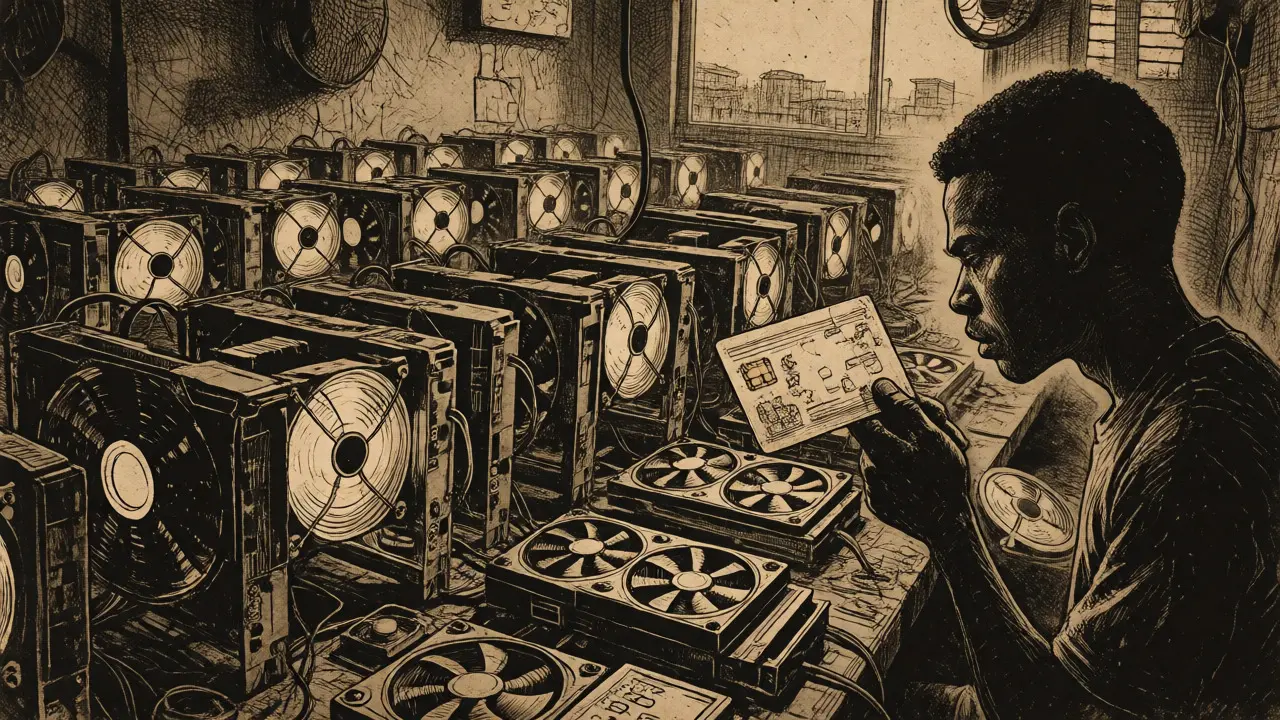
Imagine buying a high-end graphics card, setting up your rig in Lagos, and realizing you can’t pay for electricity because your bank account is frozen. This isn’t a hypothetical horror story; it’s the daily reality for many crypto miners in Nigeria. For years, the country operated in a regulatory grey zone, where mining was technically not illegal but practically suffocated by banking bans and unclear rules. As of late 2025 and heading into 2026, the landscape has shifted dramatically. The days of wild-west experimentation are over, replaced by a structured, albeit strict, legal framework.
If you’re looking to mine Bitcoin or other cryptocurrencies in Nigeria, you need more than just hash power. You need a compliance strategy. The recent passage of the Investments and Securities Act (ISA) 2025 and the Nigeria Tax Administration Act (NTAA) 2025 has changed the game. These laws don’t just suggest guidelines; they enforce licensing, taxation, and anti-money laundering protocols with teeth. Fines for non-compliance start at ₦10 million ($6,693), which can wipe out months of mining profits overnight. So, before you plug in another GPU, let’s break down exactly what the law says, who is watching, and how you can stay on the right side of the regulator.
The Regulatory Shift: From Ban to Regulation
For a long time, the narrative around Nigerian crypto was dominated by the Central Bank of Nigeria’s (CBN) 2021 directive. That order told banks to stop facilitating cryptocurrency transactions, effectively cutting off the lifeline for many digital asset businesses. It wasn’t an outright ban on holding or mining coins, but it made cashing out nearly impossible through traditional channels. Fast forward to 2025, and the picture is different. The government realized that banning technology doesn’t stop adoption-Nigerians moved an estimated $92.1 billion in digital assets between July 2024 and June 2025 alone.
To manage this massive volume, the Securities and Exchange Commission (SEC) stepped in. Under Section 357 of the ISA 2025, virtual assets are now legally defined as securities. This is a crucial distinction. It means that if your mining operation involves selling tokens, offering mining-as-a-service, or interacting with exchanges, you aren’t just running a tech business; you’re operating a financial service provider. Consequently, you fall under the purview of the SEC. This shift from a banking-centric restriction to a securities-based regulation provides clarity but also imposes heavier compliance burdens.
The SEC’s Digital Assets Rules 2022 laid the groundwork, but the ISA 2025 gave it enforcement power. Now, any Virtual Asset Service Provider (VASP) targeting Nigerian users must apply for an SEC license. This applies whether you’re a local startup or a foreign entity. The goal? To ensure that entities handling user funds or generating revenue from crypto activities meet specific standards for capital, transparency, and security.
Who Is Watching? The Regulators’ Toolkit
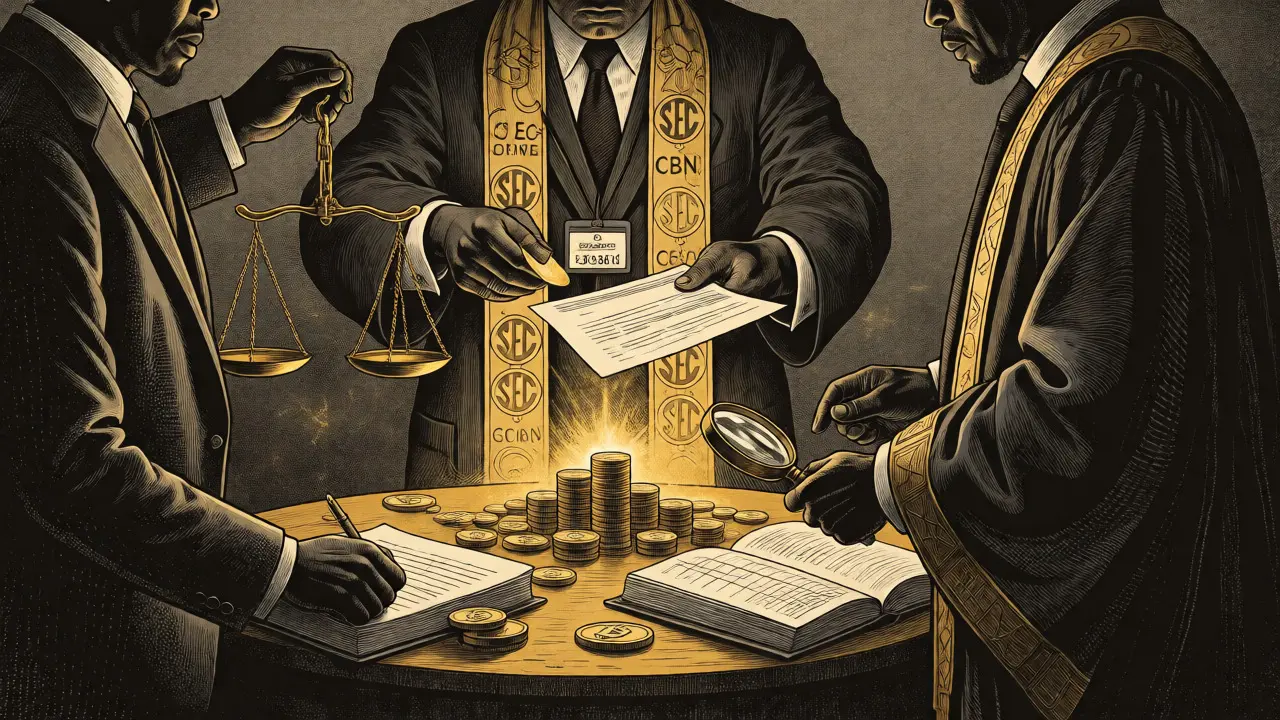
You might think dealing with one regulator is hard enough. In Nigeria, crypto mining sits at the intersection of three powerful agencies: the SEC, the CBN, and the Economic and Financial Crimes Commission (EFCC). Each has a distinct role, and understanding their jurisdictions helps you avoid stepping on toes.
The Securities and Exchange Commission (SEC) is the primary regulator for market conduct. They handle licensing, registration, and consumer protection. If you’re issuing tokens or running a platform, the SEC wants to see your paid-up capital, fidelity bonds, and proof of local management. They’ve already started granting provisional licenses to platforms like Quidax and Busha, signaling that the process is active, though slow due to thorough vetting.
The Central Bank of Nigeria (CBN) retains control over payment systems and currency stability. While the 2021 banking ban was lifted in late 2023 to allow banks to service licensed crypto businesses, the CBN remains cautious. They monitor how crypto interacts with the Naira. If your mining rewards are converted to fiat for operational costs, you’ll likely face scrutiny regarding source-of-funds documentation.
The EFCC and the Nigerian Financial Intelligence Unit (NFIU) focus on crime prevention. With the National Anti-Money Laundering Act amended to cover virtual assets, these bodies have new tools. They can access telecom records for investigations and crack down on Ponzi schemes disguised as mining investments. If your operation looks too good to be true-or if it lacks KYC (Know Your Customer) procedures-you become a target for audits.
Taxation: The Silent Profit Killer
Let’s talk about money. Specifically, the part you keep after paying for electricity and hardware depreciation. The Nigeria Tax Administration Act (NTAA) 2025, signed in June 2025 and effective in 2026, introduces a rigorous tax regime for crypto activities. This isn’t just about income tax; it’s about specific penalties for VASPs.
If you fail to comply with NTAA requirements, the initial fine is ₦10 million ($6,693) for the first month, plus ₦1 million ($669) for every subsequent month you remain non-compliant. For small-scale miners, this penalty structure is brutal. It forces even hobbyists to consider formalizing their operations. Furthermore, the SEC now holds the power to suspend or revoke licenses, effectively shutting down platforms that ignore tax obligations. This creates a direct link between tax compliance and business survival.
| Requirement | Regulator | Consequence of Non-Compliance |
|---|---|---|
| SEC Licensing | SEC | Business suspension; fines up to ₦10M+ |
| KYC/AML Checks | EFCC/NFIU | Audits; potential criminal investigation |
| Banking Access | CBN | Account freezes; transaction limits |
| Tax Reporting | FIRS/NTAA | Monthly fines; license revocation |
Infrastructure Challenges: Beyond the Law
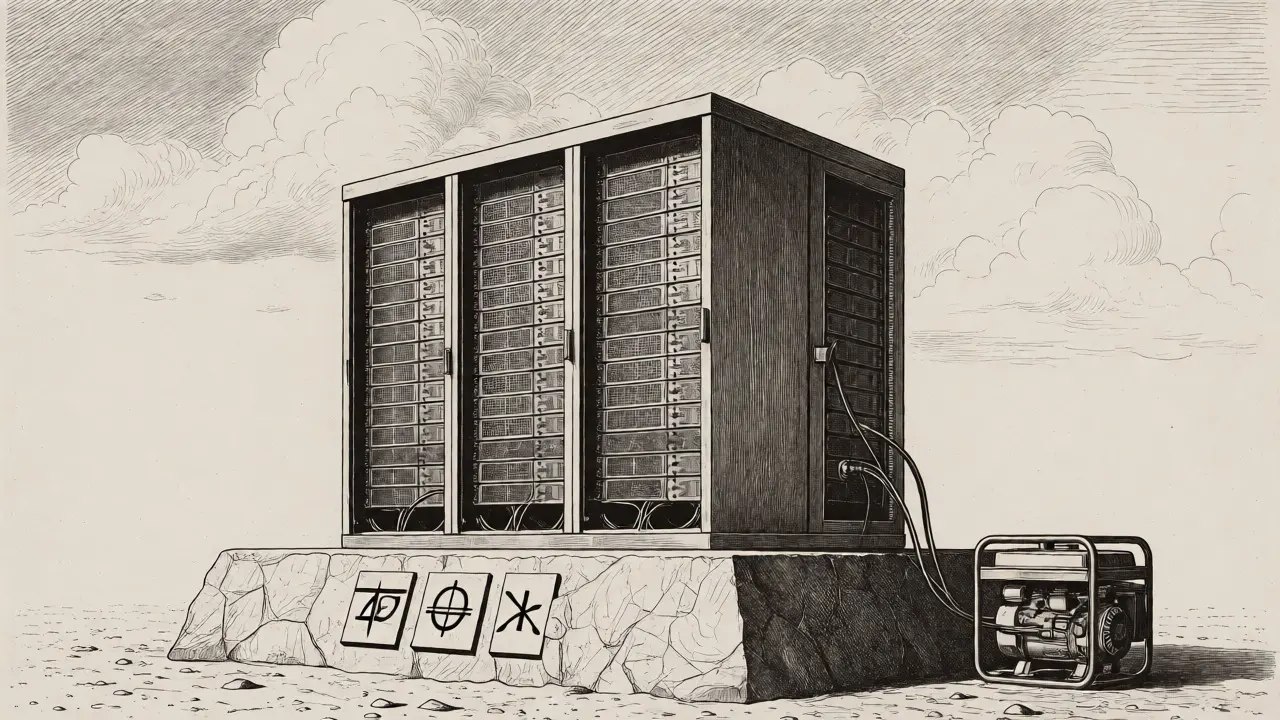
Even if you navigate the legal maze perfectly, you still have to deal with physics and infrastructure. Mining is energy-intensive. In Nigeria, the cost of electricity and the reliability of the grid are significant hurdles. Many miners rely on diesel generators when the national grid fails, which eats into margins significantly. Some operators have relocated to countries with cheaper, greener energy, but staying in Nigeria offers proximity to the world’s second-largest P2P crypto market.
High data costs also impact connectivity for remote monitoring of rigs. However, innovation thrives here. Because traditional banking is restricted, Nigerians have pioneered decentralized finance (DeFi) solutions and peer-to-peer trading platforms. Tools like Paxful and Noones allow miners to sell their earnings directly to buyers without touching a bank initially. This resilience is a double-edged sword: it keeps the ecosystem alive but makes formal accounting harder for regulators to track.
Licensing Pathways for Miners
So, how do you actually get licensed? It depends on your business model. Purely self-mining (where you mine for yourself and hold or sell occasionally) might fly under the radar compared to a commercial mining farm that sells services to others. However, if you offer "mining-as-a-service" or pool mining to retail investors, you are definitely a VASP.
The application process requires:
- Corporate Registration: You must be registered with the Corporate Affairs Commission (CAC).
- Paid-Up Capital: Specific minimums apply depending on the tier of license.
- Fidelity Bonds: Insurance to protect client assets.
- Local Presence: A physical office and management team based in Nigeria.
Early approvals went to exchanges like Quidax and Busha, proving the system works. But note the delay: dozens of companies applied, but only a few got provisional status quickly. Regulators are taking their time to vet thoroughly, so patience and complete documentation are key.
Future Outlook: Stability Through Structure
The trajectory for 2026 points toward consolidation. The chaotic early days of unregulated crypto farming are ending. The Nigerian government is aligning with global standards, moving away from blanket bans toward targeted regulation. This benefits legitimate businesses by providing legal certainty. Investors are more likely to fund projects that have SEC licenses and clear tax structures.
However, risks remain. Enforcement patterns show that regulations apply differently based on activity. Token offerings fall under SEC purview, while payments fall under CBN jurisdiction. If you mix these activities without proper segregation, you risk conflicting directives. The best approach for miners today is to treat their operation like a traditional financial institution: document everything, maintain reserves, and prepare for audits.
Ultimately, mining in Nigeria is no longer just about solving algorithms; it’s about solving bureaucracy. Those who adapt to the new legal framework will find a vibrant, high-volume market waiting for them. Those who ignore the rules will find themselves paying heavy fines-or worse, losing their licenses entirely.
Is cryptocurrency mining explicitly illegal in Nigeria?
No, mining itself is not explicitly illegal. However, it operates in a regulated environment. While the act of mining is permitted, converting mined coins to fiat or offering mining services requires compliance with SEC and CBN regulations. Failure to register as a VASP if applicable can lead to penalties.
Do I need an SEC license to mine Bitcoin in my home?
If you are mining strictly for personal investment and holding assets, you may not need a full VASP license. However, if you sell your mined coins regularly, operate a pool, or offer mining services to others, you likely qualify as a Virtual Asset Service Provider and must obtain an SEC license under the ISA 2025.
What are the tax implications for crypto miners in Nigeria?
The Nigeria Tax Administration Act (NTAA) 2025 imposes strict tax reporting duties. Non-compliant VASPs face an initial fine of ₦10 million ($6,693) plus ₦1 million monthly thereafter. Miners must report income from mining rewards and potentially capital gains upon disposal, subject to FIRS guidelines.
Can I use my Nigerian bank account for crypto transactions?
Yes, but with conditions. Since late 2023, banks are allowed to service licensed crypto businesses. However, accounts may still be scrutinized. Using decentralized finance (DeFi) or peer-to-peer (P2P) platforms remains a common workaround to bypass direct banking friction, especially for smaller operations.
How does the SEC define a Virtual Asset Service Provider (VASP)?
A VASP is any entity that facilitates exchange, transfer, safekeeping, or administration of virtual assets. This includes exchanges, custodians, and mining pools that interact with customers. Under the ISA 2025, these entities must register with the SEC, meet capital requirements, and adhere to AML/KYC rules.