
Most crypto airdrops feel like a lottery. You buy the token, hope for the best, and pray the project doesn’t rug pull. But Scaleswap is trying to change that game entirely. Instead of giving tokens to whoever holds them at a specific snapshot, this platform uses a merit-based system called ScaleSCORE to reward actual activity and loyalty. If you are holding $SCA tokens, you might be wondering if there is a direct airdrop coming your way. The short answer? It’s complicated. Scaleswap itself isn’t typically the one dropping its own tokens in a traditional sense. Instead, it acts as a gateway. Projects launching on Scaleswap drop *their* tokens to SCA holders based on how much you’ve contributed to the ecosystem. This guide breaks down exactly how that works, why your Score matters more than your wallet balance, and what you need to do to maximize your potential rewards in 2026.
What Is Scaleswap and Why Does It Matter?
To understand the airdrop mechanics, you first need to know what the platform actually does. Scaleswap is a decentralized Initial DEX Offering (IDO) launchpad. Think of it as a bridge between new crypto projects that need funding and investors who want early access. Unlike older launchpads that operated directly on the expensive Ethereum mainnet, Scaleswap runs on Polygon, a Layer 2 scaling solution. This choice is strategic. Polygon offers faster transaction speeds and significantly lower gas fees compared to Ethereum. For users, this means participating in IDOs or swapping tokens doesn’t eat up your profits in network costs. For projects, it means they can reach a larger audience without charging prohibitive entry fees. The platform was built with security as a core pillar, led by co-founder Stanislav Stolberg, who brings deep expertise in information security. In a space rife with hacks and exploits, this focus on safety is a major selling point. But beyond security, Scaleswap differentiates itself through its governance and distribution models, specifically how it handles community rewards.
The ScaleSCORE System: Your Ticket to Rewards
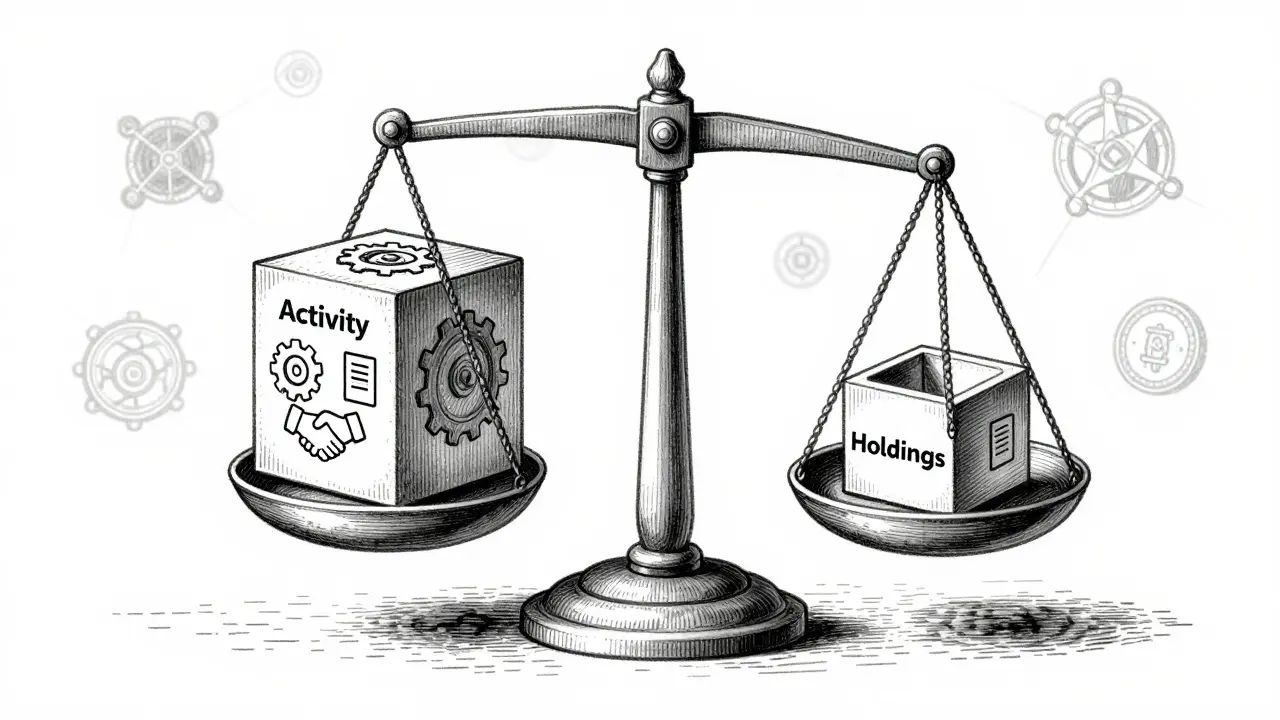
Here is where things get interesting. Most platforms distribute airdrops based on simple token holdings. If you hold 1,000 tokens, you get X amount. If you hold 10,000, you get 10X. Scaleswap rejects this passive model. Instead, it uses ScaleSCORE. ScaleSCORE is a dynamic rating system that measures your engagement, loyalty, and participation within the Scaleswap ecosystem. It weights your actions rather than just your assets. This means a user who actively participates in votes, provides liquidity, or engages with partner projects will have a higher Score than someone who simply bought tokens and left them in a cold wallet. Why does this matter for airdrops?
- Weighted Distribution: When a partner project launches an airdrop via Scaleswap, the tokens are distributed based on ScaleSCORE ratings. Higher scores mean larger allocations.
- Anti-Bot Protection: By requiring active participation, the system makes it harder for bots to farm airdrops cheaply. This protects the value of the airdrop for real users.
- Loyalty Reward: Long-term supporters are recognized and rewarded proportionally more than new entrants.
How Scaleswap Airdrops Actually Work
It is crucial to clarify a common misconception. Scaleswap rarely conducts a direct airdrop of its own $SCA token to the public in the traditional sense. Instead, the platform facilitates airdrops for other projects launching on its platform. Here is the typical flow:
- Project Launch: A new crypto project partners with Scaleswap to raise funds via an IDO.
- Airdrop Allocation: The project allocates a portion of its token supply for an airdrop to the Scaleswap community.
- Score Calculation: Scaleswap calculates the ScaleSCORE of all eligible $SCA holders at a specific time.
- Distribution: Tokens are distributed to wallets based on their relative ScaleSCORE. If you have 1% of the total community score, you might receive 1% of the airdrop pool.
Key Partnerships and Ecosystem Growth
The credibility of any launchpad depends on the quality of its partners. Scaleswap has made significant moves to establish trust and expand its utility. One notable partnership is with WISeKey International Holding Ltd, a Nasdaq-listed company. Together, they launched WISe.Art, an NFT platform. This venture utilizes WISeKey’s TrusteCoin (TEC DAO Token) for governance and utility. This partnership signals that Scaleswap is not just focused on speculative meme coins or low-effort projects. It is integrating with established entities and exploring digital asset tokenization. For airdrop hunters, this is good news. Partnerships with reputable firms often lead to higher-quality token distributions. You are less likely to receive worthless tokens and more likely to get assets with real-world utility or strong backing. Furthermore, Scaleswap’s integration with the Polygon ecosystem positions it well for growth. As Polygon continues to attract users and developers due to its low costs and speed, launchpads like Scaleswap benefit from increased traffic and activity. More projects launching means more opportunities for airdrops and IDO participation.
How to Maximize Your ScaleSCORE
If you want to benefit from Scaleswap’s airdrop mechanism, you need to optimize your ScaleSCORE. Here are practical steps to boost your ranking:
- Hold $SCA Tokens: While holding alone isn’t enough, it is the baseline requirement. Ensure your tokens are in a compatible wallet connected to the platform.
- Participate in IDOs: Actively join initial offerings hosted on Scaleswap. Each participation counts towards your engagement metrics.
- Engage in Governance: If Scaleswap operates as a DAO (Decentralized Autonomous Organization), voting on proposals can increase your score. Check the official dashboard for active polls.
- Provide Liquidity: Adding liquidity to pools associated with Scaleswap or its partner projects demonstrates long-term commitment.
- Stay Active: Regular interaction with the platform’s features, such as checking updates or using integrated tools, may contribute to your score. Consistency is key.

Risks and Considerations
No investment is without risk. Before diving into Scaleswap’s ecosystem, keep these factors in mind:
- Smart Contract Risk: Even with strong security leadership, DeFi platforms are vulnerable to bugs or exploits. Always use audited contracts and verify addresses.
- Market Volatility: The value of $SCA and any airdropped tokens can fluctuate wildly. An airdrop worth $1,000 today could be worth $10 tomorrow.
- Regulatory Uncertainty: Crypto regulations are evolving rapidly. Changes in laws could impact how launchpads operate or how tokens are classified.
- Opportunity Cost: Time spent optimizing ScaleSCORE is time not spent elsewhere. Balance your efforts across multiple platforms to diversify risk.
Comparison: Scaleswap vs. Traditional Launchpads
| Feature | Scaleswap | Traditional Launchpads |
|---|---|---|
| Distribution Model | ScaleSCORE-weighted (Activity-based) | Snapshot-based (Holdings-only) |
| Network | Polygon (Layer 2) | Ethereum Mainnet (Often) |
| Gas Fees | Low | High |
| Bot Resistance | High (Requires engagement) | Low (Easy to farm) |
| Token Utility | Burn mechanism + Voting | Voting + Entry Tickets |
Next Steps for Participants
If you are ready to engage with Scaleswap, start by connecting your wallet to the official platform. Verify your ScaleSCORE status and identify areas for improvement. Monitor the announcements section for upcoming IDOs and partner airdrops. Join the community channels to stay updated on governance proposals and platform upgrades. Remember, the goal is not just to collect tokens but to build a sustainable position in the ecosystem. By focusing on quality engagement rather than quick flips, you position yourself for long-term success. Keep an eye on the broader market trends, especially those affecting Polygon and Layer 2 solutions, as they will directly impact Scaleswap’s growth trajectory.
Is there a direct SCA token airdrop available now?
As of mid-2026, Scaleswap does not typically conduct direct airdrops of its own $SCA token to the general public. Instead, it facilitates airdrops for partner projects, distributing their tokens to $SCA holders based on ScaleSCORE. Check the official website for any special promotional events.
How do I check my ScaleSCORE?
You can view your ScaleSCORE by connecting your wallet to the Scaleswap dashboard. The score is calculated dynamically based on your historical activity, including IDO participation, voting, and liquidity provision. Aim to improve it gradually through consistent engagement.
Why does Scaleswap use Polygon instead of Ethereum?
Polygon is a Layer 2 scaling solution that offers faster transactions and significantly lower gas fees compared to the Ethereum mainnet. This makes it more cost-effective for both users participating in IDOs and projects launching their tokens, enhancing accessibility and efficiency.
Can bots easily farm Scaleswap airdrops?
It is difficult. The ScaleSCORE system requires genuine, sustained engagement rather than just holding tokens. Bots that create new wallets and dump tokens are unlikely to achieve high scores compared to active, loyal community members, making the system resistant to farming.
What happens to the SCA tokens used for fees?
SCA tokens used to pay for platform utilities and fees are burned. This deflationary mechanism reduces the total supply over time, which can help support the token's value by creating scarcity, assuming demand remains constant or increases.