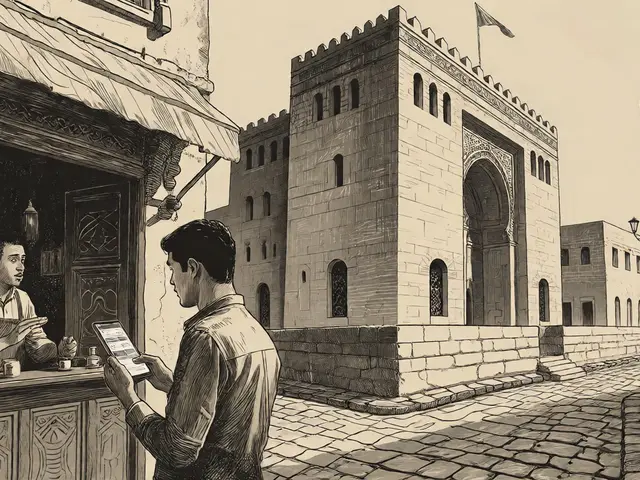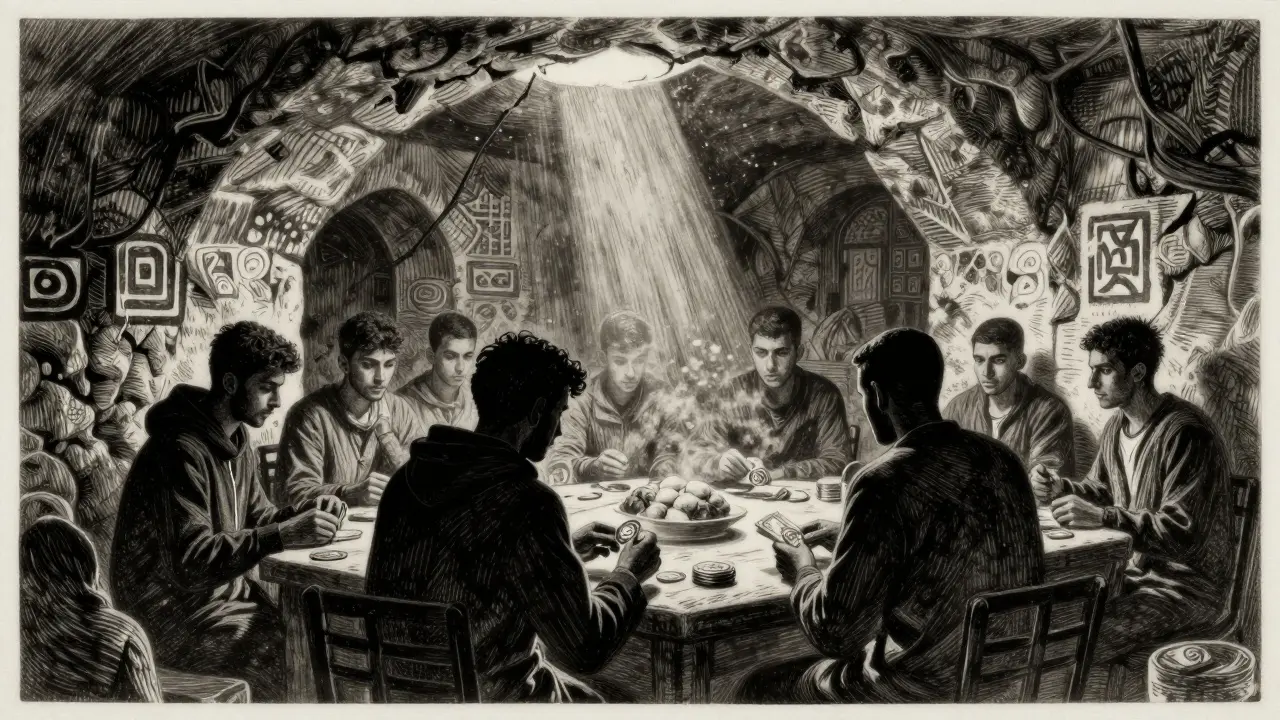
Imagine trying to buy something that is technically illegal, but everyone around you seems to be doing it anyway. That is the reality for thousands of people in Tunisia today. Since May 2018, the Central Bank of Tunisia (BCT) has enforced a strict ban on all cryptocurrency transactions. Yet, despite the threat of prison time and frozen bank accounts, an entire shadow economy has sprung up. This isn't just about tech enthusiasts; it's about ordinary citizens looking for ways to preserve their savings against inflation or send money abroad without paying exorbitant fees.
The situation in Tunisia is unique because it sits at a crossroads. On one side, you have a government cracking down hard on decentralized finance. On the other, you have a young, highly educated population that is digitally savvy and desperate for financial freedom. By June 2026, this tension hasn't disappeared-it has evolved. The underground market is no longer just a rumor; it is a sophisticated network using peer-to-peer platforms, virtual private networks, and cash workarounds to bypass state controls.
Why the Ban Exists and What It Means for You
To understand how the underground market works, you first need to understand why it exists. The Central Bank of Tunisia didn't ban crypto out of nowhere. In 2018, they issued a circular prohibiting all crypto-related activities. The reasons are rooted in two main concerns: capital flight and compliance with Islamic finance principles.
Tunisia has strict currency controls. The Tunisian Dinar (TND) is not freely convertible. The government wants to keep foreign exchange reserves stable. Cryptocurrencies like Bitcoin and USDT allow people to move value across borders instantly, bypassing these controls entirely. From the regulator's perspective, this is a direct threat to monetary policy.
Additionally, there is the legal framework. Tunisian banking laws and interpretations of Sharia law create hurdles. Crypto is often viewed as speculative and lacking intrinsic value, which conflicts with conservative financial views. But here is the catch: while the state bans private trading, entities like Poste Tunisienne are quietly exploring blockchain technology for logistics and payments. This contradiction confuses many users. Is it banned? Yes. Is the government interested in the underlying tech? Also yes.
How People Trade Underground: The Infrastructure
If you cannot use a local exchange, where do you go? The answer lies in decentralized, peer-to-peer (P2P) platforms. These platforms do not hold your funds; they simply connect buyers and sellers. For Tunisians, Binance P2P has become the de facto standard. Other platforms like LocalBitcoins (though largely phased out globally) were predecessors, and now traders also look at global exchanges like KuCoin, OKX, and MEXC, provided they can access them.
Here is how a typical transaction looks in this shadow market:
- Finding a Counterparty: A user logs into a P2P platform via a VPN. They search for merchants who accept Tunisian Dinars. Because banks block crypto-related transfers, these merchants rarely accept direct bank transfers labeled "crypto."
- The Payment Method: Instead of bank transfers, traders often use mobile wallet services like Flouci, D17, or even cash deposits into specific accounts. Some use gift cards or prepaid vouchers to obscure the source of funds.
- The Swap: Once the buyer sends the TND via the agreed method, the seller releases the crypto from escrow. The speed depends on trust scores and verification levels.
This process is risky. If the seller scams you, you have little recourse. If the buyer disputes the payment, your account could be flagged. This is why reputation systems on these platforms are critical. Traders build up "completion rates" over months to gain access to larger volumes.
Bypassing the Blocks: Tech Workarounds
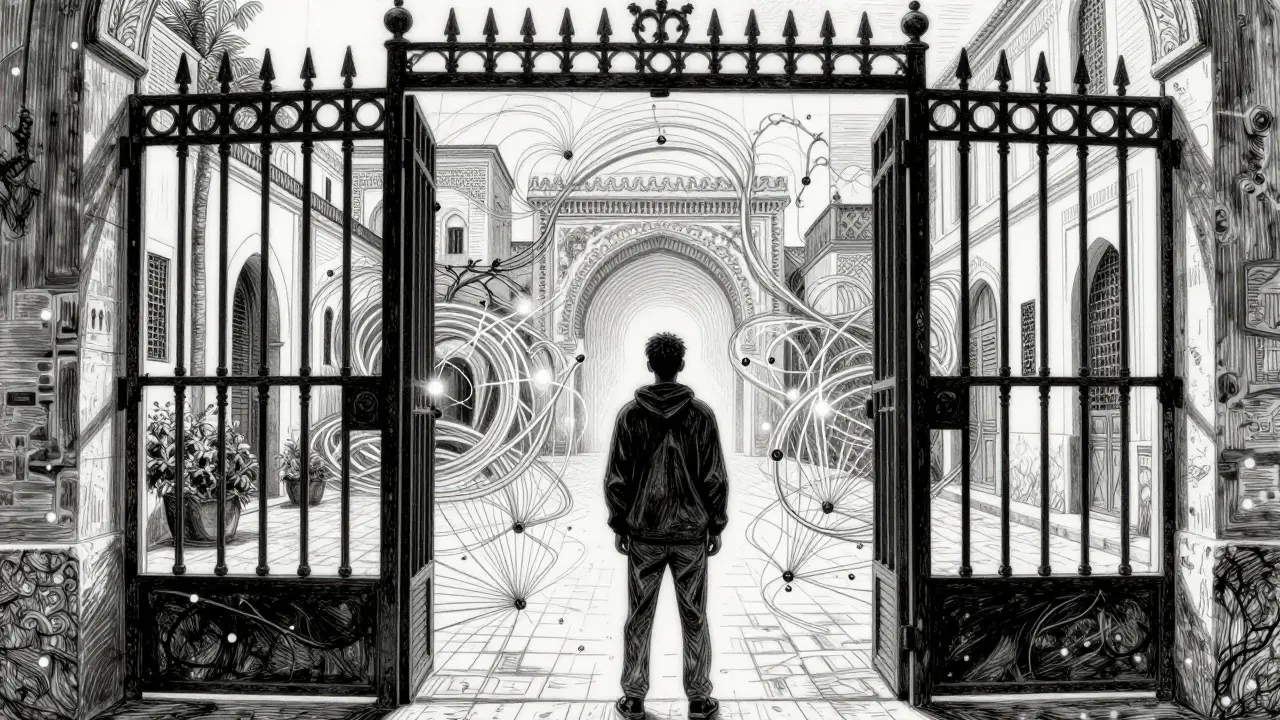
You cannot simply open Binance in Tunisia and expect it to work smoothly. The internet infrastructure in Tunisia monitors traffic. Certain domains related to crypto exchanges are blocked or throttled. To get around this, almost every active trader uses a Virtual Private Network (VPN).
Using a VPN masks your IP address, making it appear as though you are connecting from a different country, such as France or Germany. However, this introduces its own set of problems. Many reputable exchanges require KYC (Know Your Customer) verification. They ask for a passport and proof of address. If your documents say Tunisia, but your IP says France, your account may be suspended for inconsistency.
This leads to a second layer of circumvention: identity obfuscation. Some users try to register accounts under different jurisdictions, but this violates the terms of service of most major platforms and increases the risk of permanent fund loss. The smarter approach used by experienced traders is to rely on P2P markets that have lower KYC thresholds or operate fully off-platform via Telegram groups and encrypted messaging apps, though this is significantly more dangerous due to the lack of escrow protection.
The Banking Wall: Converting Crypto to Cash
Buying crypto is half the battle. Selling it back for Tunisian Dinars is where most people hit a wall. Tunisian banks are instructed to monitor for suspicious transactions. If you receive a large sum from an unknown individual, especially if it happens repeatedly, your account will likely be frozen.
Bank employees are trained to flag keywords. Even mentioning "crypto," "bitcoin," or "exchange" in a chat with customer support can trigger an alert. The result? An audit. During an audit, you must prove the source of the funds. Since the trade was illegal, you cannot provide a legitimate invoice or contract. This leads to account closures and potential legal inquiries.
To avoid this, the underground market relies on informal networks. Think of it as a modern-day hawala system. Trusted individuals act as liquidity providers. You might send TND to Person A, who then sends USDT to Person B, who sends TND to Person C. The money moves in circles, obscuring the trail. While effective for small amounts, this breaks down at scale. It requires immense trust, and one bad actor can ruin the network.
Legal Risks: More Than Just a Fine
Let’s be clear: this is not a gray area. It is black and white. Under current Tunisian law, engaging in crypto trading can lead to criminal prosecution. We saw this in 2021 when a teenager was jailed for operating an unlicensed crypto exchange. That case sent shockwaves through the community and led to cabinet-level discussions about decriminalization, but no changes have been enacted yet.
The risks include:
- Account Freezes: The most common immediate consequence. Your life savings could be locked up for months while authorities investigate.
- Criminal Charges: Depending on the volume and nature of the activity, you could face charges related to money laundering or violating foreign exchange laws.
- Asset Seizure: Any hardware wallets, phones, or computers used in the trade can be confiscated as evidence.
The Tunisian Financial Analysis Committee (CTAF) is responsible for monitoring financial crimes. They have access to banking data and can trace unusual patterns. While they may not target every small-time trader, high-volume operators are sitting ducks.
The Brain Drain and Economic Impact
The prohibition has had unintended consequences. One of the biggest is brain drain. Tunisia has a vibrant tech scene, with many skilled developers and entrepreneurs. When you tell them that their industry is illegal, they leave. Many have moved to countries like Canada, Switzerland, or even neighboring European nations where crypto is regulated, not banned.
This deprives Tunisia of tax revenue, innovation, and job creation. Meanwhile, those who stay often pivot to non-crypto blockchain applications, such as supply chain management or secure voting systems, which don't directly violate the ban. But the passion for decentralized finance remains strong among the youth.
There is also the issue of consumer protection. In a regulated market, if an exchange hacks your funds, there are insurance schemes or legal avenues for recovery. In the underground market, if you get scammed, you are on your own. There is no ombudsman, no insurance, and no police help because admitting you traded crypto admits guilt.
What’s Next? Regulatory Shifts in 2026
As we move through 2026, signs suggest the tide may be turning slowly. Parliamentary committees are reviewing draft bills that could decriminalize simple possession of cryptocurrencies. The goal is to create a licensing regime rather than a total ban. This would allow exchanges to operate legally if they comply with Anti-Money Laundering (AML) and Know Your Customer (KYC) standards.
The Central Bank is also researching Central Bank Digital Currencies (CBDC). A CBDC would give the state control over digital money while offering some benefits of blockchain efficiency. This suggests the government is not anti-technology, but anti-decentralization. They want oversight.
For now, however, the ban stands. Enforcement continues. Banks remain vigilant. And the underground market adapts. Until legislation changes, anyone trading crypto in Tunisia is walking a tightrope.
| Feature | Legal Framework (Hypothetical/Future) | Current Underground Market |
|---|---|---|
| Status | Licensed & Regulated | Illegal / Criminal Offense |
| Platform Access | Local Exchanges | P2P Platforms (Binance, etc.) via VPN |
| Payment Methods | Direct Bank Transfers | Mobile Wallets (Flouci), Cash, Informal Networks |
| Risk Level | Low (Consumer Protection Available) | High (Scams, Jail, Frozen Accounts) |
| Tax Implications | Clear Reporting Requirements | No Official Reporting (Hidden Economy) |
Safety Tips for Those Who Choose to Trade
I am not advising you to break the law. But given the reality on the ground, many people will continue to trade regardless. If you choose to participate in this underground market, you must prioritize safety above all else. Here are practical steps to minimize risk:
- Use Escrow: Never trade directly without a middleman. Use P2P platforms that hold funds in escrow until both parties confirm completion.
- Keep Records: Save all chat logs, transaction hashes, and payment receipts. While they won't help in court, they might help resolve disputes with platform moderators.
- Diversify Payments: Do not use your primary salary account for crypto trades. Use separate accounts or mobile wallets that are less scrutinized.
- Verify Merchants: Only trade with merchants who have high completion rates and long histories. Check reviews from other Tunisian users.
- Stay Anonymous Online: Use a dedicated device or browser profile for crypto activities. Clear cookies regularly. Avoid discussing trades on social media.
Remember, the goal is to protect your assets and your freedom. The underground market is full of predators looking for easy targets. Education is your best defense.
Is it legal to own Bitcoin in Tunisia?
Technically, no. The Central Bank of Tunisia banned all cryptocurrency transactions in 2018. While mere possession might not always lead to immediate arrest, any attempt to buy, sell, or exchange crypto is considered a violation of financial regulations and can result in legal action, including fines and imprisonment.
Can I use Binance in Tunisia?
You can access the website using a VPN, but using it is illegal under Tunisian law. Binance P2P is popular among Tunisians, but you must be careful. Direct bank transfers for crypto purchases are often blocked by Tunisian banks. Users typically rely on mobile wallets or cash methods, which carry higher risks of fraud.
What happens if my bank finds out I'm trading crypto?
Your bank account will likely be frozen immediately. The bank is required to report suspicious activities to the Tunisian Financial Analysis Committee (CTAF). You may face an audit, and depending on the severity, you could be charged with violating foreign exchange laws or money laundering regulations.
Are there any licensed crypto exchanges in Tunisia?
No. As of 2026, there are no licensed cryptocurrency exchanges operating within Tunisia. All trading occurs on international platforms accessed via circumvention tools, placing users in a legal gray area that is effectively illegal.
Will the crypto ban be lifted soon?
There are ongoing discussions in parliament about decriminalizing possession and creating a licensing framework. However, no concrete legislation has been passed yet. The timeline remains uncertain, and enforcement continues strictly in the meantime.
How do people convert crypto to Tunisian Dinars safely?
Most traders use peer-to-peer platforms like Binance P2P, accepting payments via mobile wallets like Flouci or D17 to avoid direct bank trails. Some use informal cash networks. These methods are risky and lack consumer protection, so users must verify counterparties carefully.