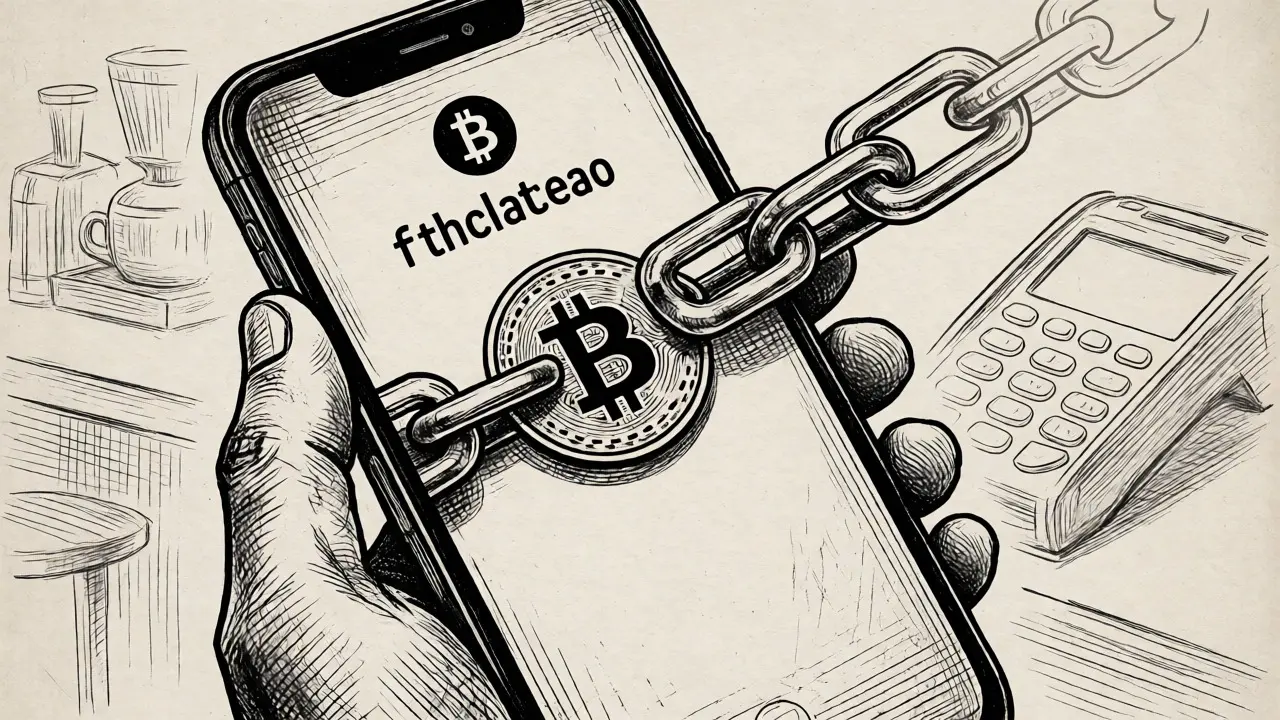
You swipe your card at a coffee shop, buy something you don't like, and get your money back. It’s so routine we barely think about it. Now try doing that with Bitcoin. Once the transaction hits the blockchain, it’s done. Gone. There’s no customer service line to call, no dispute button to press. This lack of safety net is one of the biggest reasons regular people hesitate to use crypto for daily purchases. Enter Merchant Token (MTO), a cryptocurrency project designed to fix this exact problem by bringing traditional consumer protections-like chargebacks-to the decentralized world.
MTO isn’t just another meme coin or speculative asset. It is the utility token behind the HIPS Merchant Protocol, a system aiming to bridge the gap between old-school payment terminals and new-age blockchain technology. If you’ve ever wondered how crypto could actually work in a physical store without losing your money to scams or errors, MTO offers a unique answer. But does it work? Is it worth watching? Let’s break down what MTO is, how it functions, and whether it has a real future.
The Core Problem: Why Crypto Payments Stall
Before diving into MTO, you need to understand the barrier it tries to clear. Cryptocurrencies are famous for being "trustless." That sounds great until you’re the victim of a scam. In traditional finance, if a merchant takes your money and sends nothing, you file a chargeback. Your bank handles it. In crypto, transactions are immutable. You send 1 ETH, they keep it, and you have no recourse unless you sue them personally.
This friction kills mass adoption. Imagine buying a pair of sneakers with USDT. They arrive damaged. Who do you complain to? The blockchain doesn’t care. Most existing crypto payment solutions focus on speed or low fees, ignoring the human element of trust. Merchant Token targets this specific pain point. Its creators argue that for crypto to go mainstream, consumers need the same safety nets they have with Visa or Mastercard.
How Merchant Token Works
At its heart, MTO is an ERC-20 token running on Ethereum. But calling it just a token misses the bigger picture. It’s part of a larger ecosystem called the HIPS Merchant Protocol. Think of MTO as the fuel for a machine designed to make crypto payments feel familiar.
The protocol introduces two key features:
- Decentralized Dispute Resolution: Smart contracts hold funds in escrow during a purchase. If there’s a dispute, a decentralized network of arbiters reviews the claim. If the buyer wins, the smart contract releases the refund automatically.
- POS Terminal Integration: The goal is to let merchants use their existing credit card terminals. The system translates standard ISO8583 payment messages (the language of traditional banking) into blockchain transactions.
This means a shopper could theoretically tap their phone or scan a QR code at a normal checkout counter, pay in crypto, and still have the option to dispute the charge later. It’s a hybrid model that tries to keep the best parts of both worlds.
Key Technical Specifications and Supply
If you’re looking to trade or hold MTO, you need to know the numbers. As of late 2026, the data shows a small but active community, though liquidity remains a challenge.
| Metric | Value / Status | Notes |
|---|---|---|
| Blockchain | Ethereum (ERC-20) | Compatible with most major wallets like MetaMask. |
| Circulating Supply | ~59.7 Million | Out of a max supply of 100 Million. |
| Market Cap | ~$2.3 Million | Considered a micro-cap asset. |
| All-Time High (ATH) | $0.841 (Nov 2023) | Current price is significantly lower (~$0.04). |
| Native Chain Transition | In Progress | Planned migration to HIPS Merchant Blockchain (MEO). |
Note the discrepancy in data sources. Some trackers report slightly different circulating supplies due to how they calculate locked tokens or team allocations. Always check multiple sources before trading. The drop from $0.84 to roughly $0.04 represents a massive correction, typical for early-stage projects that hype outpaces utility.
The HIPS Merchant Ecosystem: More Than Just a Coin
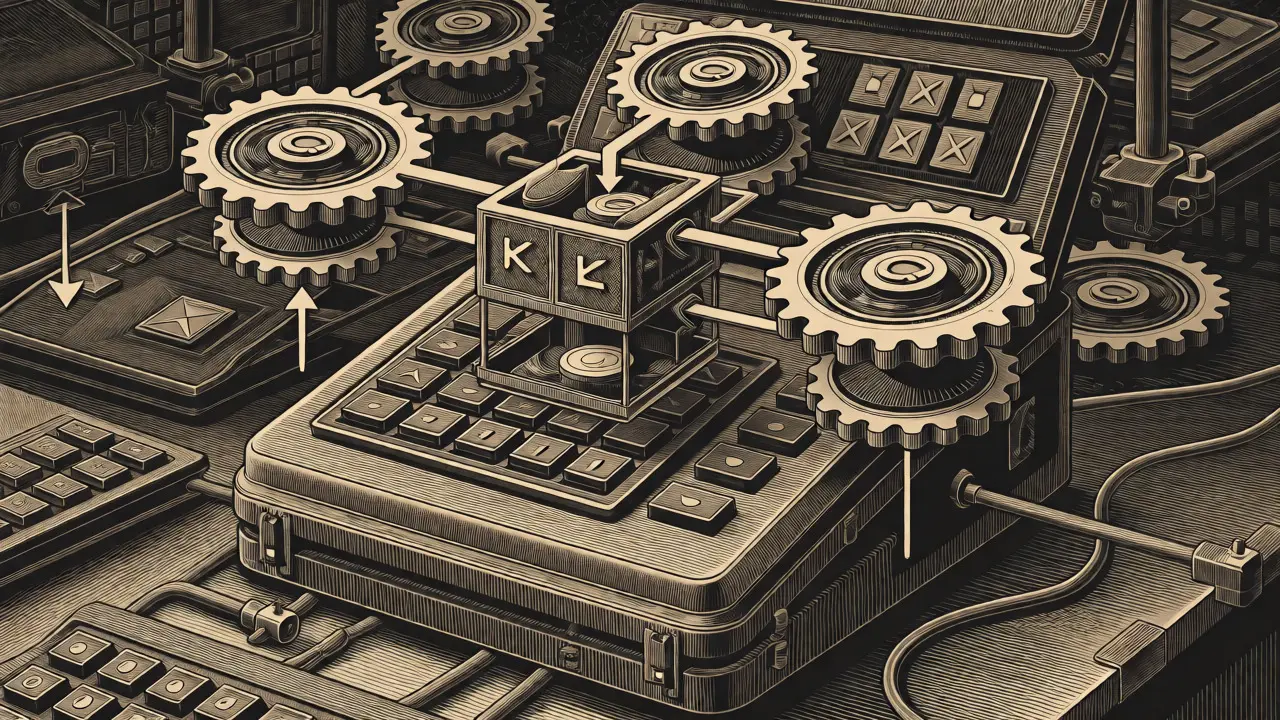
To understand MTO, you must look at the broader architecture. The project is developing its own Layer-1 blockchain called HIPS Merchant Blockchain (MEO). The long-term plan is for MTO holders to swap their ERC-20 tokens for native MEO coins once the mainnet launches.
Why build a separate chain? Because Ethereum can be slow and expensive for high-frequency retail transactions. MEO is optimized specifically for point-of-sale interactions. It supports backward-compatible financial protocols, meaning it speaks the same language as legacy banking systems. This reduces the burden on merchants who don’t want to learn complex new tech stacks.
The ecosystem includes:
- Merchant Wallet (MW): An interface for businesses to manage crypto inflows.
- Merchant Protocol Gateway (MPGW): The middleware that connects traditional POS hardware to the blockchain.
- Governance: MTO holders may vote on protocol upgrades or dispute resolution parameters.
Pros and Cons: Is MTO Worth Your Attention?
No crypto project is perfect. Here’s a balanced view based on current market conditions and technical reality.
The Upside
- Unique Value Proposition: Few competitors tackle consumer protection head-on. If successful, this solves a genuine adoption blocker.
- Real-World Utility: Unlike many tokens used only for speculation, MTO has a defined job in payment processing.
- Low Entry Cost: With a price under $0.05, it’s accessible for small investors testing the waters.
The Risks
- Liquidity Issues: Daily trading volume is often under $5,000. Selling large amounts could crash the price instantly.
- Adoption Lag: The mainnet hasn’t fully launched. Until merchants actually use it, the token value is largely speculative.
- Competition: Major players like PayPal or Stripe might integrate similar protection features natively, rendering niche solutions obsolete.
- Price Volatility: A 94% drop from ATH signals high risk. Recovery depends entirely on execution and marketing.

How to Buy and Store MTO
Since MTO is an ERC-20 token, getting started is straightforward, even for beginners.
- Choose a Wallet: Use a non-custodial wallet like MetaMask or Trust Wallet. Ensure it supports Ethereum.
- Fund Your Wallet: Deposit ETH or USDC. You’ll need ETH for gas fees.
- Select an Exchange: MTO isn’t listed on Coinbase or Binance yet. Look for smaller DEXs (Decentralized Exchanges) like Uniswap or specialized CEXs that list micro-cap tokens.
- Execute Trade: Swap your ETH for MTO. Be mindful of slippage settings, as low liquidity can cause poor fill prices.
- Secure Your Tokens: Withdraw to your personal wallet after purchasing. Don’t leave funds on an exchange if you plan to hold long-term.
Future Outlook: Will MTO Survive?
The fate of Merchant Token hinges on one thing: execution. The idea of "crypto chargebacks" is compelling. However, implementing fair, automated dispute resolution is technically difficult. Who arbitrates? How do you prevent spam disputes? These questions need solid answers in the live product.
Currently, the project is in the development phase, moving toward its MEO mainnet launch. If they deliver a working prototype where users can easily dispute transactions via mobile app, interest could spike. If the rollout delays or bugs persist, the token may continue to bleed value.
For now, treat MTO as a high-risk venture capital bet rather than a stable investment. Keep an eye on their GitHub activity and community forums. Real progress looks like code commits and partnership announcements, not just roadmap promises.
Is Merchant Token (MTO) a good investment?
It is a high-risk, high-reward micro-cap asset. While the concept of adding consumer protection to crypto is strong, the token suffers from low liquidity and significant price volatility. It is suitable only for those who can afford to lose their entire investment while waiting for potential ecosystem growth.
Can I buy MTO on Coinbase or Binance?
No, MTO is not currently listed on major centralized exchanges like Coinbase or Binance. You typically need to use Decentralized Exchanges (DEXs) such as Uniswap or smaller centralized platforms that specialize in emerging cryptocurrencies.
What is the difference between MTO and MEO?
MTO is the current ERC-20 token on the Ethereum blockchain. MEO is the native coin of the upcoming HIPS Merchant Blockchain. The project plans to transition users from holding MTO to holding MEO once the dedicated mainnet is fully operational.
Does MTO support chargebacks?
Yes, the core feature of the HIPS Merchant Protocol is enabling decentralized dispute resolution. This allows buyers to initiate claims similar to traditional credit card chargebacks, mediated by smart contracts and community arbiters.
Where can I store my MTO tokens?
Since MTO is an ERC-20 token, you can store it in any Ethereum-compatible wallet. Popular options include MetaMask, Trust Wallet, Ledger, and Trezor. Always ensure you add the correct contract address when adding custom tokens.