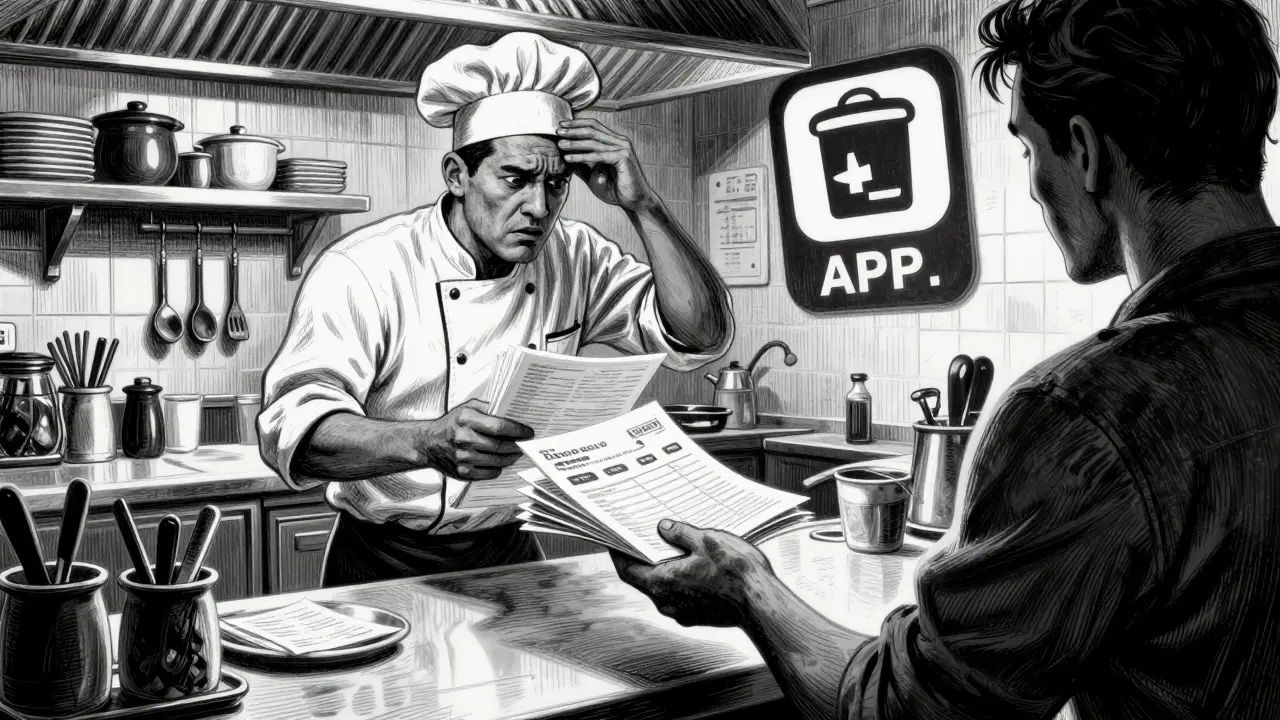
Imagine a world where restaurants keep 96% of their sales instead of losing up to 30% to delivery apps. That’s the promise behind Steakd (SDX), a cryptocurrency launched in April 2023 that claims to revolutionize the hospitality industry. The project pitches itself as a hybrid Web2/Web3 solution, combining a traditional food delivery app called OrderUp with a tokenomics model that rewards holders. On paper, it sounds like a win-win for chefs and investors alike. But does the reality match the hype?
If you’ve stumbled upon SDX on a tracker or heard about its low fees, you’re likely asking: is this a legitimate opportunity or another crypto trap? The short answer is that while the concept addresses a real pain point in the restaurant industry, the execution raises serious red flags. From negligible trading volume to inconsistent price data, Steakd exhibits many characteristics of high-risk micro-cap tokens that often fail to deliver on their promises.
The Core Concept: Fighting High Delivery Fees
To understand Steakd, you first need to look at the problem it tries to solve. Traditional food delivery giants like Uber Eats and DoorDash charge restaurants commission rates between 20% and 30%. For small eateries operating on thin margins, these fees can be unsustainable. James Wilson, the founder referenced in Steakd’s marketing materials, identified this gap and built the OrderUp platform to charge only 4% per transaction.
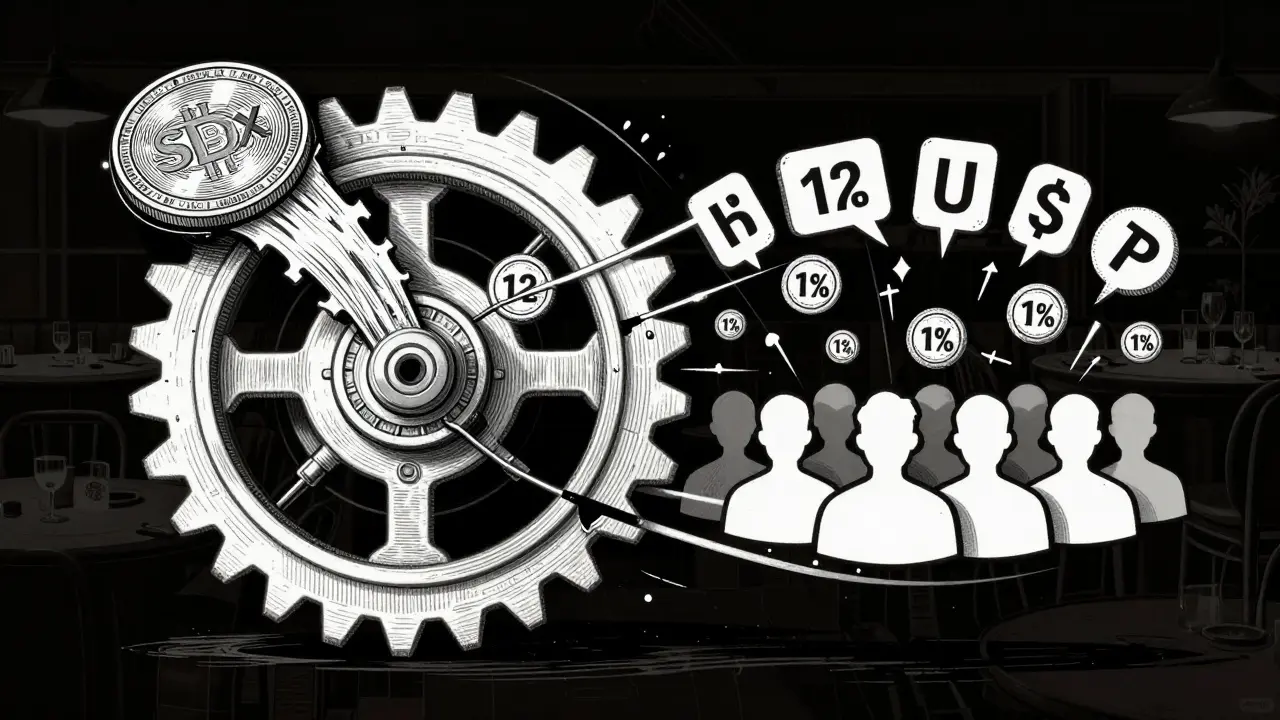
The idea is simple: lower fees mean more profit for restaurants, which theoretically leads to better service and more options for customers. To incentivize adoption and reward early believers, the project introduced the SDX token. Holders of SDX are supposed to receive USDT royalties derived from the platform’s revenue. This creates a passive income stream for token owners while subsidizing the low-fee structure for merchants. It’s a classic “flywheel” model seen in many decentralized projects, but the devil is always in the details.
Tokenomics and Technical Specifications
Let’s break down the numbers, because they tell a stark story. SDX operates as a BEP-20 token on the Binance Smart Chain (BSC). The total supply was set at an astronomical 1 quadrillion tokens. As of late 2025, approximately 645.46 trillion tokens have been burned, leaving 354.54 trillion in circulation. While burning tokens usually increases scarcity, a supply in the hundreds of trillions still results in a near-zero value per unit.
The tax structure is aggressive. Buyers pay a 12% tax, with 5% distributed as USDT royalties to existing holders. Sellers face a higher 16% tax, with 8% going toward those same royalties. These taxes are designed to discourage quick selling and reward long-term holding. However, they also make trading difficult. If you try to sell your SDX, you instantly lose 16% of your position before even accounting for slippage or market impact. Given the lack of liquidity, exiting a position can be nearly impossible without significant losses.
| Attribute | Value |
|---|---|
| Blockchain | Binance Smart Chain (BSC) |
| Total Supply | 1 Quadrillion |
| Circulating Supply | 354.54 Trillion |
| Buy Tax | 12% (5% to royalties) |
| Sell Tax | 16% (8% to royalties) |
| Primary Exchange | PancakeSwap |
Market Performance and Liquidity Issues
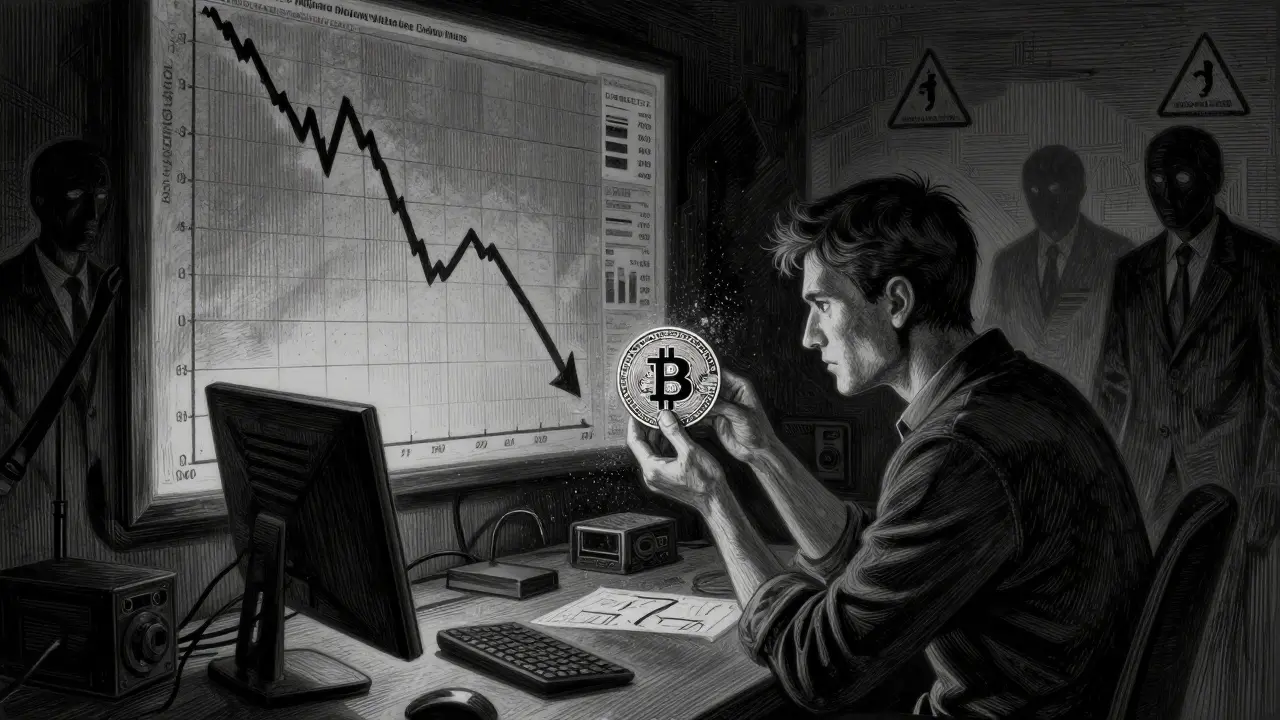
This is where things get concerning. Despite launching in 2023, Steakd has failed to generate meaningful market activity. By October 2025, the token ranked #7,553 on CoinMarketCap, a position that indicates extreme obscurity. The price discrepancies across platforms are alarming. CoinMarketCap reported a price of $0.00000001883, while CoinGecko showed $0.0000000894. Such variance suggests there is no true market price because so few trades are occurring.
Liquidity is the lifeblood of any cryptocurrency. Without it, you cannot buy or sell at predictable prices. SDX’s 24-hour trading volume hovered between $0 and $18.34. To put that in perspective, a single large sell order could crash the price by 90% or more. In fact, users on Reddit have reported losing up to 98% of their value when attempting to exit positions due to the combination of high sell taxes and zero depth in the order books. When a token has effectively zero market cap, it offers no protection against volatility or manipulation.
Adoption and Real-World Usage
A crypto project’s value ultimately depends on its utility. Steakd’s utility hinges on the adoption of its OrderUp app. According to steakd.com, the platform claimed to have onboarded thousands of restaurants, yet independent verification is scarce. The website listed 4,967 active holders, but this number represents less than 0.0001% of the global crypto user base. More importantly, there is little evidence of actual food orders being processed through the system.
User feedback paints a grim picture. Trustpilot reviews from late 2025 show a rating of 1.2 out of 5 stars. Common complaints include unresponsive customer support, missing royalty payments, and the failure of the promised app features to launch. One user noted that despite claims of $106,000 in USDT royalties paid, the distribution per holder was negligible and lacked transparent proof. Meanwhile, competitors like Uber Eats continue to dominate with billions in gross bookings, highlighting the massive gap between Steakd’s ambitions and its current reach.
Risk Factors and Expert Opinions
You should approach Steakd with extreme caution. Multiple indicators suggest it falls into the category of high-risk or potentially abandoned projects. Crypto analyst Michael van de Poppe has previously warned that tokens with sub-penny prices and near-zero volume often signal pump-and-dump schemes. The Crypto Integrity Project classified SDX as “High Risk” in their 2024 assessment, citing vague business models and inconsistent pricing.
Regulatory risks also loom large. The royalty distribution model, where token holders earn returns based on platform performance, could be interpreted by regulators like the SEC as an unregistered security offering. This legal ambiguity adds another layer of danger for investors. Furthermore, the project’s GitHub repository shows zero developer activity, suggesting that technical development may have stalled entirely. Without active coding and updates, the roadmap items labeled “Coming Soon” are unlikely to ever materialize.
Is Steakd Worth Your Attention?
So, what should you do if you’re curious about SDX? First, recognize that this is not an investment; it’s a speculative gamble with very poor odds. The theoretical benefits of low restaurant fees are compelling, but they don’t translate to token value without massive user adoption. Currently, that adoption is absent.
If you decide to interact with SDX, use only funds you can afford to lose completely. Never invest money meant for bills or savings. Be prepared for the possibility that you won’t be able to sell your tokens at all. Always verify information from multiple sources, and beware of testimonials that lack verifiable credentials. In the crowded space of food-tech crypto projects, Steakd stands out not for its success, but for its inability to prove viability after two years.
For those seeking exposure to the intersection of blockchain and commerce, established protocols with transparent audits, active development, and liquid markets offer a safer path. Steakd remains a cautionary tale of how a good idea can falter without execution, liquidity, and trust.
What is the current price of Steakd (SDX)?
The price of SDX is extremely low and inconsistent across exchanges, ranging from $0.000000017 to $0.000000089 as of late 2025. Due to negligible trading volume, there is no reliable market price, and values can fluctuate wildly with minimal trade activity.
Is Steakd (SDX) a scam?
While not officially labeled a scam by authorities, Steakd exhibits many high-risk characteristics associated with fraudulent or abandoned projects. These include near-zero liquidity, inactive development, negative user reviews, and unrealistic promises. Regulatory bodies and risk assessment firms classify it as extreme risk.
How does the OrderUp app work?
OrderUp is a food delivery platform integrated with the SDX token. It charges restaurants a 4% fee compared to industry standards of 20-30%. Revenue generated is partially distributed to SDX token holders as USDT royalties. However, widespread adoption and functional availability remain unverified.
Can I earn passive income with SDX?
Theoretically, yes. SDX holders receive USDT royalties from buy and sell taxes. However, given the minimal trading volume, the actual amount received is negligible. Many users report never receiving promised payouts or finding the amounts too small to cover transaction costs.
Where can I buy Steakd (SDX)?
SDX is primarily traded on PancakeSwap, a decentralized exchange on the Binance Smart Chain. You will need a BSC-compatible wallet like MetaMask to purchase the token. Be aware that buying involves a 12% tax and selling incurs a 16% tax, plus potential liquidity issues.
Why is the trading volume so low?
Low volume indicates a lack of interest and confidence in the token. With no major exchanges listing SDX and limited real-world usage of the OrderUp app, few people are buying or selling. This illiquidity makes it difficult to enter or exit positions without significant price slippage.
What are the risks of investing in SDX?
Key risks include total loss of capital due to illiquidity, high transaction taxes, potential regulatory scrutiny regarding security classifications, inactive development, and lack of transparent financial reporting. The token’s value could drop to zero at any time.
Who founded Steakd?
Steakd was founded by James Wilson, who identified high commission fees in the food delivery sector as a barrier for small restaurants. The project launched in April 2023 with the goal of creating a sustainable alternative through technology and tokenomics.