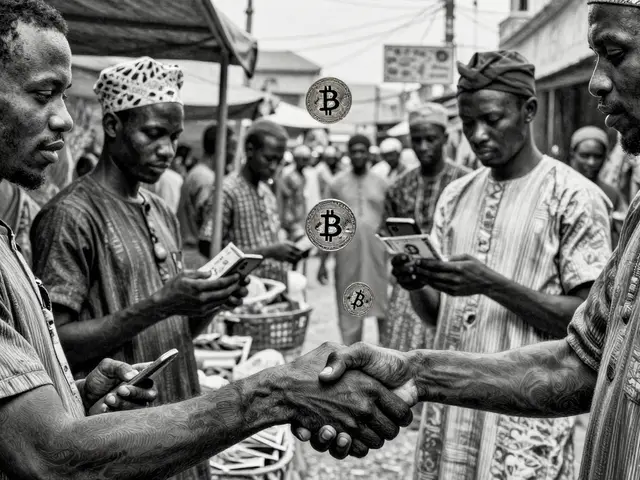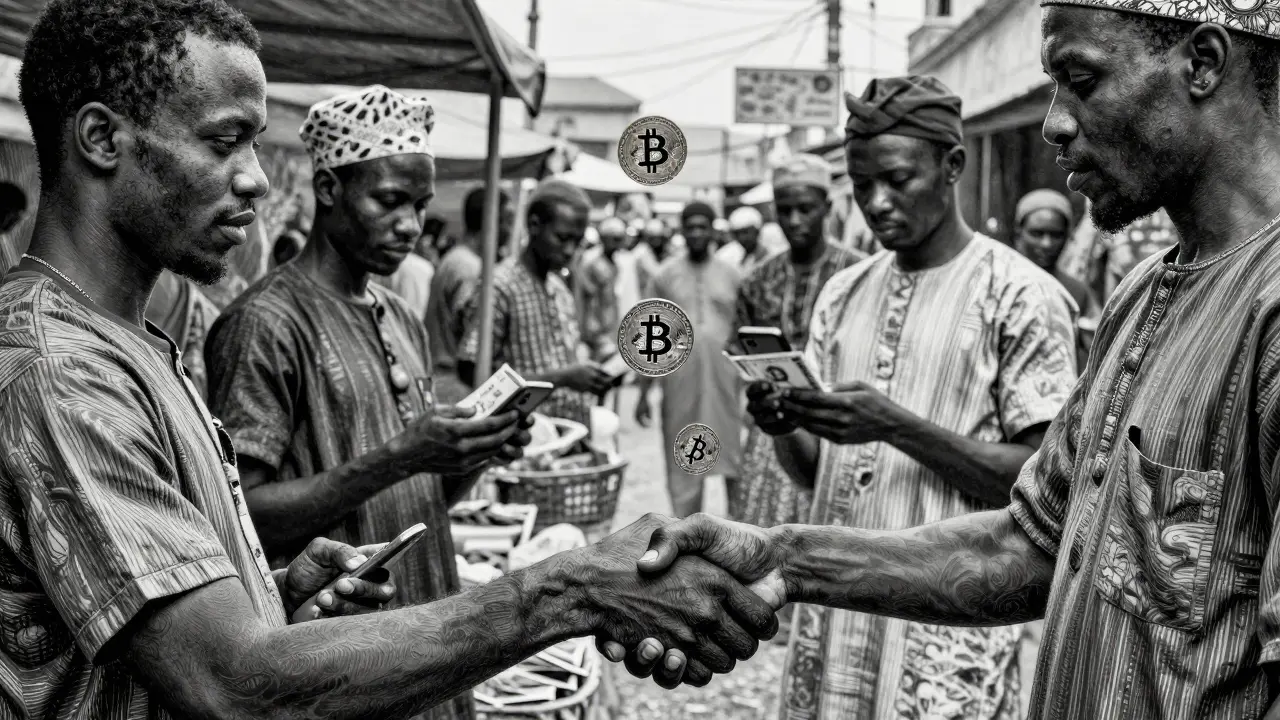
It might seem counterintuitive. You look at the economic headlines from West Africa-inflation spikes, currency volatility, banking restrictions-and you expect financial stagnation. Yet, Nigeria has emerged as a global powerhouse in peer-to-peer (P2P) cryptocurrency adoption. In fact, it consistently ranks among the top nations worldwide for digital asset usage, often surpassing developed economies with stable currencies and robust banking systems.
This isn't just about tech enthusiasts buying Bitcoin for fun. It’s a survival mechanism that evolved into a sophisticated financial infrastructure. When traditional doors close, people find windows. In Nigeria, those windows are P2P crypto platforms. Understanding this phenomenon requires looking past the surface-level statistics to see how regulatory pressure, economic necessity, and technological innovation collided to create one of the most vibrant crypto ecosystems on Earth.
The Catalyst: How Banking Restrictions Fueled P2P Growth
To understand why Nigeria leads in P2P crypto adoption, you have to look at what pushed users away from traditional banks. The story begins with resistance. In 2017, the Central Bank of Nigeria (CBN) issued directives instructing commercial banks to cease all transactions related to cryptocurrency exchanges. This was intended to curb capital flight and protect the naira. Instead, it had the opposite effect.
By cutting off direct bank access to crypto exchanges, the CBN inadvertently forced the entire ecosystem underground. Users couldn’t simply buy Bitcoin through their bank accounts anymore. They had to find alternative ways to convert naira into digital assets. This necessity birthed the P2P model. Peer-to-peer trading allows individuals to buy and sell cryptocurrencies directly with each other, using local bank transfers or cash, while the exchange acts only as an escrow service to ensure safety.
Peer-to-Peer (P2P) Trading is a decentralized method of exchanging assets where buyers and sellers transact directly without a central intermediary holding funds. In the Nigerian context, it became the primary bridge between the formal banking sector and the informal crypto economy.
This shift wasn’t immediate chaos; it was adaptation. Traders developed sophisticated workarounds. They used social media groups, WhatsApp communities, and specialized forums to find counterparties. Over time, major exchanges like Binance, Quidax, and Patricia built dedicated P2P desks tailored specifically to Nigerian payment methods. The restriction didn’t kill crypto; it made it more resilient and deeply embedded in daily commerce.
Economic Reality: Inflation and Currency Devaluation
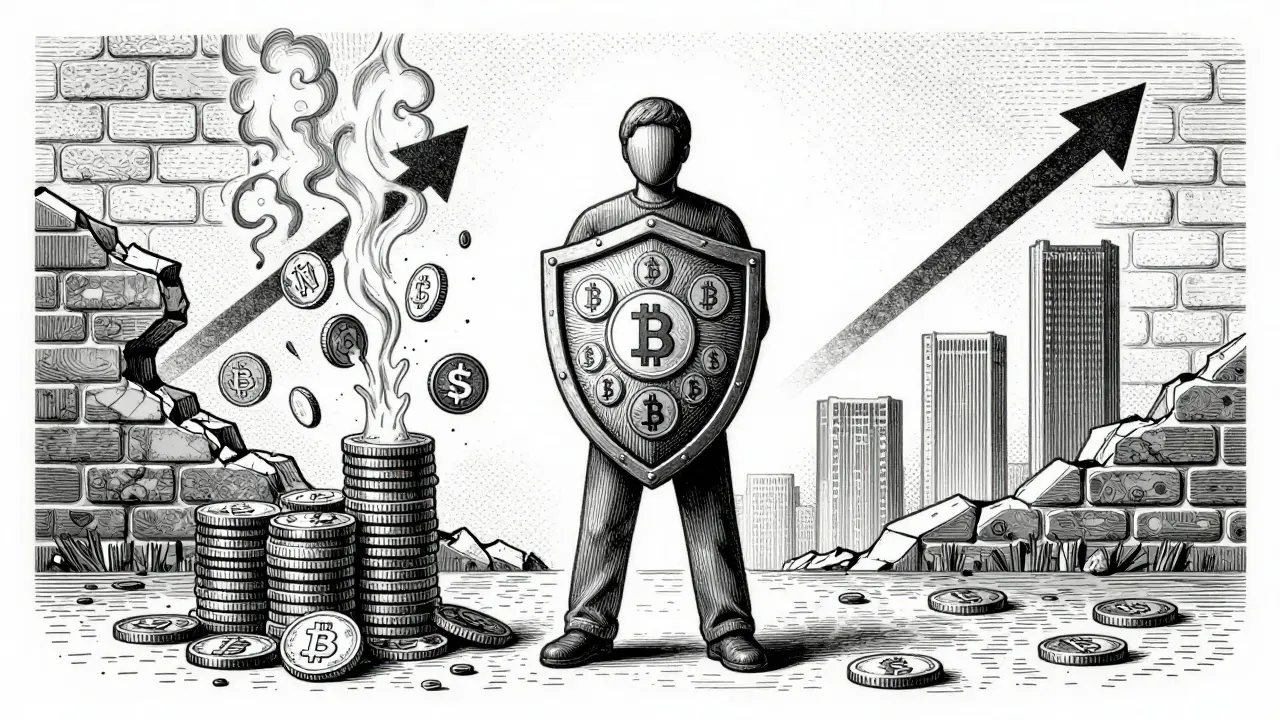
Regulatory hurdles were the spark, but economic reality provided the fuel. For many Nigerians, holding savings in naira is a losing game. Since 2016, the naira has lost more than three-quarters of its value against the US dollar. In 2023 alone, inflation surged past 24%. When your money loses purchasing power every month, you need a hedge.
Cryptocurrencies, particularly stablecoins pegged to the US dollar like Tether (USDT), offer a way out. They provide a store of value that isn’t subject to local monetary policy decisions. For a freelancer earning dollars from international clients, or a merchant importing goods priced in USD, converting earnings to crypto preserves wealth. Converting back to naira only when necessary minimizes exposure to devaluation.
Consider the cost of remittances. Traditional money transfer services charge fees up to 8% per transaction. Sending money home via Western Union or similar services can take days and eat into the sender’s budget. P2P crypto transfers often cost less than 1% and settle in minutes. For a family relying on monthly support from abroad, saving 60-80% on transfer fees isn’t just convenient-it’s transformative.
| Feature | Traditional Banking | P2P Crypto Trading |
|---|---|---|
| Transaction Fees | High (up to 8% for remittances) | Low (often <1%) |
| Speed | 1-3 business days | Minutes to hours |
| Currency Protection | None (exposed to naira devaluation) | High (via USD-pegged stablecoins) |
| Accessibility | Limited by branch locations and KYC strictness | Mobile-first, accessible to unbanked populations |
The Regulatory Pivot: From Ban to Integration
For years, the narrative was defined by conflict. But by late 2023, the landscape shifted dramatically. The CBN lifted its ban on banks servicing crypto businesses. This was a pivotal moment. It signaled that the government recognized the inevitability of crypto and decided to regulate it rather than suppress it.
This change allowed licensed exchanges to integrate more freely with the traditional banking system. Banks could process payments to and from verified crypto entities without fear of penalties. Investor confidence soared. What was once a shadow economy began to emerge into the light.
In 2025, this trend accelerated with the enactment of the Investments and Securities Act. This legislation formally recognized digital assets as financial securities. It provided a legal framework for trading, taxation, and consumer protection. Suddenly, institutional players felt safer entering the market. Fintech giants like Moniepoint achieved unicorn status, leveraging blockchain technology to modernize interbank settlements.
The partnership between the Nigeria Inter-Bank Settlement System (NIBSS) and Zone’s blockchain network in 2025 exemplifies this new era. By integrating blockchain into the core financial infrastructure, Nigeria reduced fraud risks and increased transparency in interbank transactions. This isn’t just grassroots adoption anymore; it’s systemic integration.

User Experience: Navigating the P2P Ecosystem
So, what does it actually feel like to trade crypto in Nigeria? For the average user, it starts with identity verification. Platforms require KYC (Know Your Customer) checks to comply with anti-money laundering laws. Once verified, users browse offers from other traders. Each offer lists the price, payment method (bank transfer, mobile money, etc.), and limits.
The learning curve is real. New users often spend 2-4 weeks mastering basic security practices. Understanding wallet security, recognizing scam patterns, and navigating price volatility are essential skills. The community plays a huge role here. Telegram groups, WhatsApp chats, and local meetups serve as support networks. Experienced traders mentor newcomers, sharing tips on how to spot fake screenshots or avoid frozen accounts.
Popular trading pairs include Bitcoin/Naira and USDT/Naira. While Bitcoin remains the flagship asset, stablecoins dominate daily usage because they offer stability. Dash and Ripple also see significant volume, reflecting a diversified portfolio approach among savvy investors.
Security concerns persist. Despite platform improvements, users must remain vigilant. Phishing attacks and fraudulent sellers are common threats. However, the rise of regulated exchanges has introduced dispute resolution mechanisms. If a seller fails to release crypto after payment, the platform’s mediation team steps in. This layer of trust has been crucial for mainstream adoption.
Future Outlook: A Model for Emerging Markets
Nigeria’s journey offers valuable lessons for other emerging markets facing similar challenges. High inflation, limited banking access, and restrictive regulations can drive innovation if met with adaptive solutions. Experts predict Nigeria could become Africa’s largest crypto economy by transaction volume within the next two years.
The trajectory points toward a hybrid model. Grassroots P2P trading will continue to thrive due to its flexibility and low barriers to entry. Simultaneously, institutional-grade infrastructure will grow, offering deeper liquidity and regulatory compliance. This dual structure ensures resilience. Even if one segment faces headwinds, the other can sustain the ecosystem.
Risks remain. Regulatory reversals are possible, especially under political pressure. International scrutiny regarding financial compliance may tighten rules further. Competition from Central Bank Digital Currencies (CBDCs) could also reshape the landscape. However, the fundamental drivers-economic necessity and technological convenience-are unlikely to disappear.
As the world watches, Nigeria stands as proof that financial exclusion doesn’t mean stagnation. It means innovation. The country’s leadership in P2P crypto adoption isn’t just a statistic; it’s a testament to human ingenuity in the face of adversity.
Why did Nigeria become a leader in P2P crypto trading?
Nigeria’s leadership stems from a combination of factors: strict banking restrictions imposed by the CBN in 2017 forced users to adopt P2P models, high inflation and naira devaluation created demand for stable assets like USD-pegged stablecoins, and a young, tech-savvy population embraced digital solutions to bypass expensive and slow traditional remittance channels.
Is it safe to use P2P crypto platforms in Nigeria?
While risks exist, such as phishing scams or fraudulent sellers, major platforms have implemented robust security measures including KYC verification, escrow services, and dispute resolution teams. Users who follow best practices-like verifying trader reputation and avoiding off-platform communications-generally experience secure transactions.
How has the Central Bank of Nigeria changed its stance on crypto?
Initially, the CBN banned banks from processing crypto transactions in 2017. However, in late 2023, it lifted these restrictions, allowing licensed exchanges to operate freely. In 2025, the Investments and Securities Act further legitimized digital assets as financial securities, marking a shift from suppression to regulation and integration.
What are the most popular cryptocurrencies in Nigeria?
Bitcoin (BTC) remains the most traded asset, followed closely by Tether (USDT) due to its stability against the volatile naira. Other notable cryptocurrencies include Dash, Ripple (XRP), and Ethereum (ETH). Stablecoins are particularly favored for daily transactions and savings preservation.
How does P2P crypto help with remittances?
P2P crypto reduces remittance costs significantly. Traditional services charge up to 8% in fees, while crypto transfers often cost less than 1%. Transactions settle in minutes rather than days, making it faster and cheaper for families to send and receive money across borders.