
You might be searching for the "Wicrypt NFT & Device Drop" because you heard rumors of free tokens or cheap hardware that pays you to share your internet. It’s an exciting idea-get paid for something you’re already doing. But if you are looking to join this specific airdrop today, I have some difficult news. The window for the official Wicrypt distribution closed years ago, and the project itself has largely gone silent.
Let’s clear up the confusion right away. There was no massive public "NFT & Device Drop" in the way modern crypto projects run them. Instead, there was a Token Generation Event (TGE) and a limited hardware rollout back in late 2021. If you see anyone selling "Wicrypt spots" or claiming you can still claim free WNT tokens now, it is almost certainly a scam.
The Truth About the Wicrypt TGE
To understand why you can’t participate now, we need to look at what actually happened. Wicrypt Network is a decentralized wireless infrastructure project that aimed to let users monetize their unused Wi-Fi bandwidth by installing physical router devices. The core promise was simple: buy a router, plug it in, share your internet, and earn WNT tokens.
The primary distribution of these tokens happened during the Token Generation Event (TGE). According to records from iCodrops, this event concluded on December 5, 2021, at 22:00 UTC+3. This wasn't a random airdrop where you just signed up with an email. It involved buying into the project early or participating in its Initial DEX Offering (IDO) on Cardano's OccamRazer platform.
If you missed that date in 2021, you missed the boat. The tokens were distributed according to strict vesting schedules. Some portions unlocked linearly over two months, while others were locked for 36 months. There is no mechanism left for new users to receive these tokens through an airdrop.
Was There Really an "NFT & Device Drop"?
The title of your search query mentions an "NFT & Device Drop." This phrasing often comes from third-party aggregators or misleading marketing posts rather than official Wicrypt announcements. Here is the breakdown:
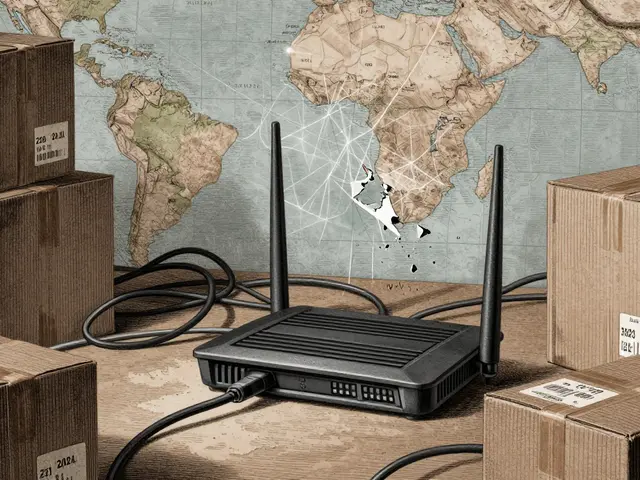
- The Device Drop: Wicrypt did sell physical hardware. These were specialized dual-band Wi-Fi routers priced at $99 at launch. They featured gigabit Ethernet ports and ARM-based processors designed to handle blockchain operations alongside standard internet traffic. However, this was a purchase, not a free drop. Users had to pay for the device to start earning.
- The NFT Component: While many Web3 projects use Non-Fungible Tokens (NFTs) as membership passes, Wicrypt’s main focus was utility tokens (WNT) and hardware. Any reference to an "NFT drop" likely refers to community giveaways or minor promotional events that occurred sporadically, not a core part of the protocol’s economy.
Confusion arises because crypto marketing often bundles terms like "airdrop," "drop," and "NFT" together to attract attention. In Wicrypt’s case, the "drop" was the release of the token price on exchanges, not a free gift to the general public.
Current Status: Is Wicrypt Still Active?
This is the most critical part for anyone considering investing time or money. As of mid-2026, Wicrypt is effectively inactive. Let’s look at the hard data:
| Metric | Status in Late 2021 | Status in Mid-2026 |
|---|---|---|
| Token Trading | Active on Cardano DEXs | Delisted from major trackers; negligible volume |
| Development Activity | Regular GitHub commits | Last commit: March 14, 2022 |
| Community Size | ~8,500 Telegram members | ~1,200 active members (mostly bots/inactive) |
| Hardware Support | Shipping delays but functional | No evidence of ongoing support or firmware updates |
The last recorded trading activity for WNT on decentralized exchanges occurred in the second quarter of 2022. Since then, the token has vanished from mainstream liquidity pools. The project’s GitHub repository shows minimal activity after March 2022, which is a huge red flag in the tech world. When code stops being updated, security vulnerabilities pile up, and the network becomes obsolete.
Industry analysts at Messari noted in their 2023 infrastructure report that over 70% of hardware-dependent blockchain projects fail to maintain operations beyond 18 months. Wicrypt fits this pattern. Delphi Digital’s 2024 retrospective analysis rated Wicrypt’s chances of recovery at just 12%, citing insufficient hardware adoption and a lack of continuous development.

Why Did It Fail? Lessons from Wicrypt
Wicrypt isn’t alone. Many projects tried to solve the problem of expensive internet in emerging markets, particularly Nigeria, where the project focused heavily. The World Bank noted in 2021 that connectivity costs represented 7.3% of average monthly income there. That’s a real pain point. So why didn’t it work?
- Hardware Hurdles: Shipping physical devices globally is a nightmare. Early users reported shipping delays of 6-8 weeks. Devices also faced technical issues, such as overheating in tropical climates, which reduced earnings by nearly 40% for some users due to frequent reboots.
- Network Effects: Decentralized networks need density. Helium, a competitor focusing on LoRaWAN IoT networks, deployed over 500,000 hotspots by late 2021. Wicrypt had roughly 1,200 devices deployed by December 2021. Without enough devices nearby, there’s no one to share bandwidth with, so earnings dry up.
- Tokenomics Pressure: Critics pointed out that the 36-month vesting schedule created potential selling pressure. When large amounts of tokens unlock, holders often sell, driving the price down and discouraging new participants.
Dr. Alex Ivanov, a blockchain specialist, wrote in December 2021 that Wicrypt’s success depended heavily on hardware adoption rates, which have historically been challenging for blockchain projects. He was right. The combination of high upfront costs ($99 per device) and uncertain returns scared off most casual users.
Avoiding Scams Related to Wicrypt
Because Wicrypt has a history, scammers often use its name to trick people. Here is how to spot a fake "Wicrypt Airdrop":
- Requests for Private Keys: No legitimate airdrop will ever ask for your private key or seed phrase. If a website asks for this to "claim" WNT tokens, close it immediately.
- "Reactivation" Fees: You may see messages claiming your account is frozen and you need to send a small amount of ETH or USDT to "unlock" your rewards. This is a direct theft scheme.
- Phony Websites: The original Wicrypt website and social channels are largely dormant. New domains popping up with "wicrypt-airdrop.com" or similar variations are not affiliated with the original team led by Olayinka Okereke and Adeyinka Adebayo.
If you hold old WNT tokens from 2021, check a reliable block explorer like Cardanoscan to see if they still exist in your wallet. However, given the lack of liquidity, converting them to fiat currency or other stablecoins is likely impossible without significant loss or finding a private buyer, which carries high risk.

Better Alternatives for Decentralized Wireless Today
If your goal is to earn cryptocurrency by sharing internet or providing network coverage, the landscape has evolved. While Wicrypt has stalled, other projects have matured. Here are the current leaders in decentralized wireless infrastructure:
| Project | Technology | Hardware Cost | Earning Potential | Key Difference |
|---|---|---|---|---|
| Helium (HNT/IOT) | LoRaWAN / 5G | $100 - $1,000+ | Variable based on location | Largest network; focuses on IoT sensors and mobile coverage. |
| Mobilecoin (Mob) | Mobile Hotspots | Free (via carrier partners) | Low but steady | Uses existing phone plans; no extra hardware needed. |
| Filecoin (FVM) | Storage/Bandwidth | Varies | High variance | More complex; involves storage nodes rather than just Wi-Fi. |
Helium remains the dominant player, though it has shifted focus toward 5G mobile coverage. Mobilecoin offers a simpler entry point by partnering with telecom carriers, allowing users to earn tokens simply by using their phones in covered areas. These projects have active development teams, regular software updates, and liquid markets for their tokens.
Final Thoughts on Wicrypt
The dream of a decentralized internet where everyone gets paid for sharing bandwidth is still valid. Wicrypt was an early attempt to make that happen, particularly in underserved African markets. However, the execution failed due to hardware logistics, low adoption, and eventual abandonment by the development team.
Do not spend money trying to join the Wicrypt ecosystem today. The tokens are illiquid, the hardware is unsupported, and the community has dispersed. If you are interested in decentralized wireless, look at active projects with transparent roadmaps, regular GitHub activity, and strong community engagement. Always verify the current status of any project on independent data sites like CoinGecko or Messari before sending any funds.
Can I still claim free Wicrypt (WNT) tokens?
No. The official token distribution ended with the Token Generation Event in December 2021. Any website or person claiming you can claim free WNT tokens now is running a scam.
Is the Wicrypt hardware still working?
While the physical routers may still connect to the internet, they are no longer receiving software updates or security patches from the developers. Earnings from these devices have dropped to near zero due to the collapse of the token's value and network activity.
What happened to the Wicrypt team?
The founding team, including CEO Olayinka Okereke and CTO Adeyinka Adebayo, stopped public communications around 2022. Their GitHub repositories show no significant activity since March 2022, indicating the project has been abandoned.
Where can I buy or sell WNT tokens?
WNT is delisted from major centralized exchanges and has negligible liquidity on decentralized exchanges. Selling these tokens is extremely difficult and risky, as you may find few buyers willing to trade at fair prices.
Are there safe alternatives to Wicrypt for earning crypto with Wi-Fi?
Yes. Projects like Helium (for IoT and 5G coverage) and Mobilecoin (for mobile hotspot sharing) are currently active. Always research the latest market data and community sentiment before investing in hardware for these networks.

Great breakdown of the situation. It is important to have clear data on why these hardware projects fail so often.
This whole crypto thing is a scam from day one. They take your money and run. The elites always win and we get nothing but broken routers and lies. I knew it was bad when they started talking about NFTs. Stay away from this garbage people.
actually you are missing the point here. the tokenomics were flawed from teh start. i read their whitepaper and it was full of holes. also why would anyone trust a project with no active devs? its obvious they abandoned ship. u should look into helium instead if u want real tech not this wicrypt trash
hey guys just wanted to add that i still have my router sitting in a box. never opened it really. heard similar stories about shipping delays back then. glad i did not buy more though. the market has changed a lot since 2021. hope everyone stays safe out there
:D yeah another failed experiment. reminds me of all those dot com busts. at least americans are smarter now and dont fall for these foreign scams easily. keep your wallets closed folks :)
Boring article. Everyone knows crypto is dead. Why do we need a table for this? Just say it failed and move on. Typical clickbait content farm stuff.
I appreciate the detailed analysis provided here. It is crucial for investors to understand the historical context of decentralized wireless networks. The comparison with Helium and Mobilecoin offers valuable insights for those still interested in this sector. Thank you for sharing this comprehensive overview.