Decentralized Exchange: What It Is and Why It Matters in Crypto
When you trade crypto on a decentralized exchange, a peer-to-peer platform that lets users swap tokens directly without a central company controlling funds. Also known as a DEX, it removes banks, brokers, and middlemen from the equation—putting control back in your hands. Unlike centralized exchanges like Binance or Coinbase, where your coins sit in their wallets, a DEX connects your own non-custodial wallet, a wallet you fully control, like MetaMask or Phantom, where private keys never leave your device to smart contracts on the blockchain. That means no one can freeze your assets, shut down your account, or disappear with your money—unless you make a mistake yourself.
But DEXs aren’t magic. They rely on blockchain, a public, tamper-proof ledger that records every trade and ensures no one can cheat the system to function. That’s why they’re tied to specific networks like Ethereum, Solana, or Polygon. If you’re trading on Uniswap, you’re using Ethereum’s blockchain. If you’re on Raydium, you’re on Solana. The chain you pick affects speed, cost, and which tokens you can swap. And because there’s no customer support team to call when things go wrong, you need to know what you’re doing. Many people lose money because they send tokens to the wrong address, approve infinite spending to a scam contract, or don’t understand slippage settings.
Look at the posts below. You’ll find real examples of platforms that claimed to be DEXs but turned out to be ghosts—like QiSwap, which wasn’t even a real exchange, or ZKE, which hid its ownership and used shady tech. Others, like Sparrow and BitForex, were outright scams pretending to be trading platforms. Meanwhile, true DEXs like Uniswap or PancakeSwap have stood the test of time because they’re open-source, audited, and community-run. The difference? Transparency. If a platform doesn’t let you see its code, doesn’t publish audits, or asks you to deposit funds first—it’s not a DEX. It’s a trap.
What you’ll find here isn’t theory. It’s what happened when people trusted the wrong DEX, got scammed by fake airdrops tied to fake exchanges, or lost money because they didn’t understand how liquidity pools work. These aren’t hypothetical risks. These are real losses from 2024 and 2025. If you’re trading crypto without a central authority watching over you, you need to know how to protect yourself. That’s what these posts are for—no fluff, no hype, just what you need to avoid becoming the next cautionary tale.

Sushiswap on Arbitrum Nova: A Realistic Review of the Low-Fee DEX
Sushiswap on Arbitrum Nova offers ultra-low fees but suffers from minimal liquidity, few trading pairs, and almost no user activity. It's not a practical exchange - just a barely-used experiment.
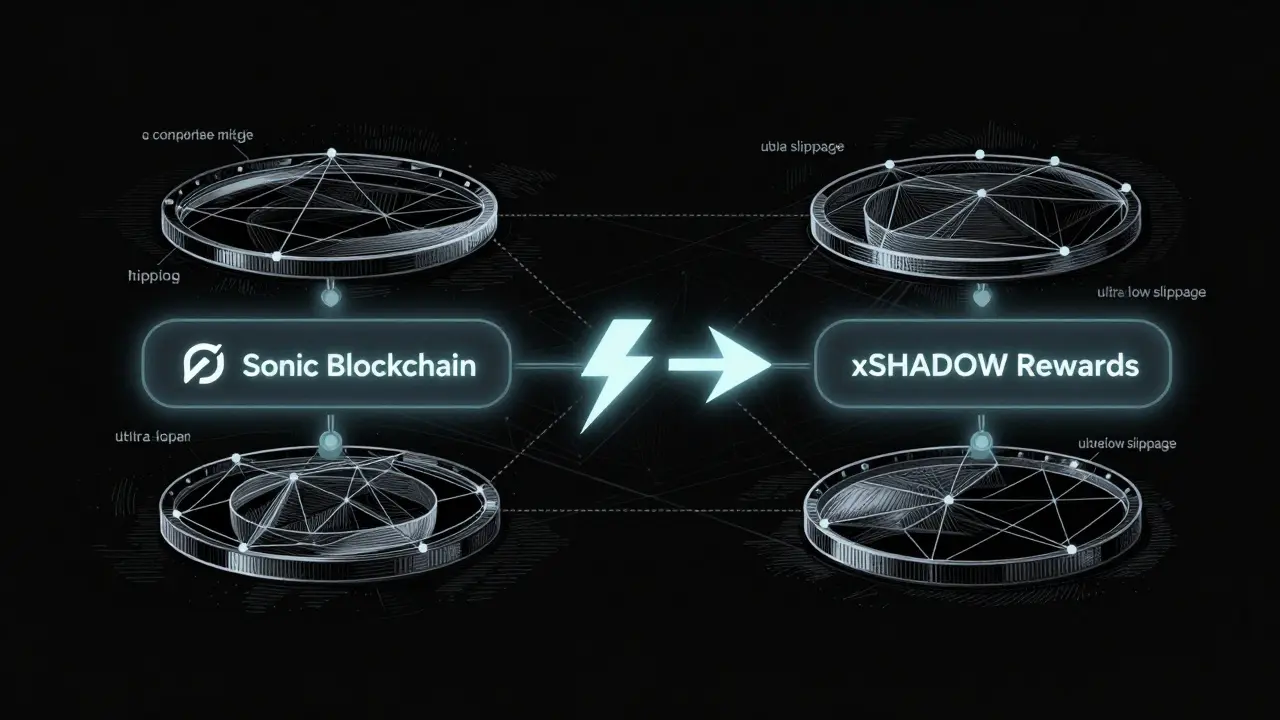
Shadow Exchange v2 Crypto Exchange Review: Speed, Fees, and Niche Dominance on Sonic
Shadow Exchange v2 is the fastest DEX on the Sonic blockchain, offering sub-second trades and 95% lower fees than Ethereum. Perfect for Sonic-native traders, but too narrow for broader crypto users.
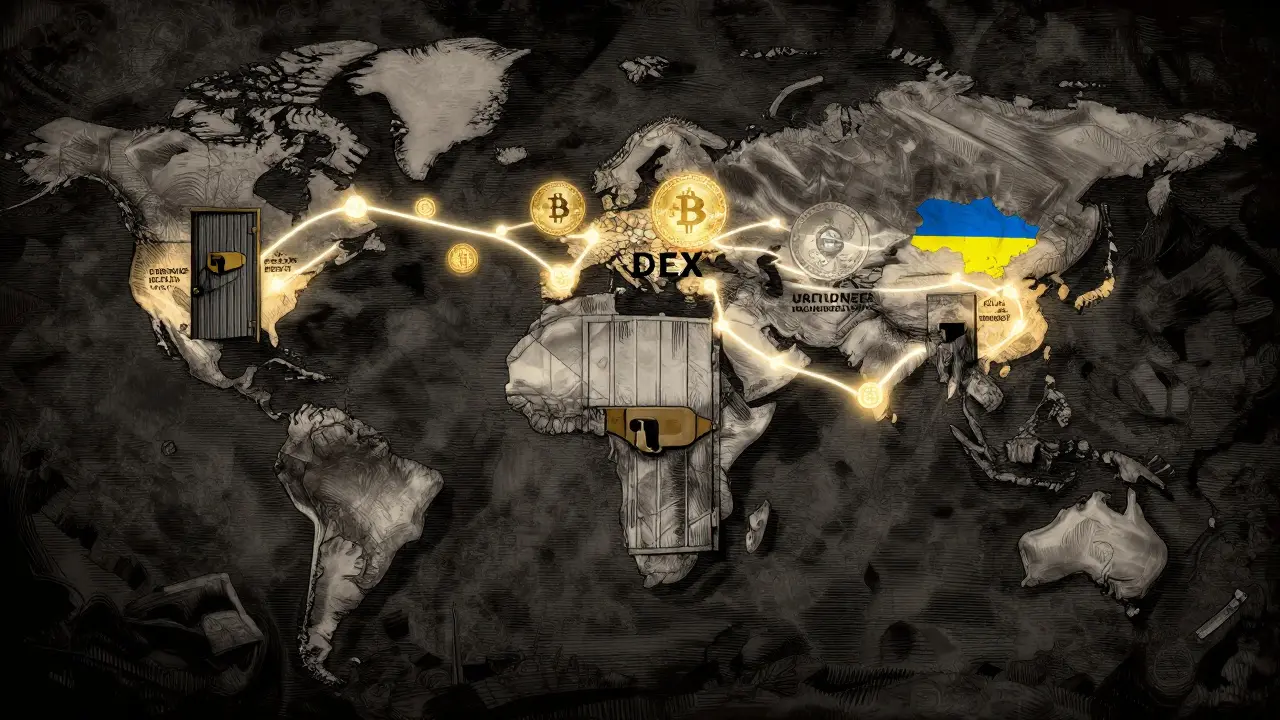
CEX vs DEX: How Geographic Restrictions Affect Crypto Trading Around the World
CEXs enforce geographic restrictions due to regulation, while DEXs offer borderless access-but even they’re now facing geo-blocking pressure. Learn how where you live shapes your crypto trading options.

IceCreamSwap (Core) Crypto Exchange Review: Is It Worth Using in 2026?
IceCreamSwap (Core) is a niche decentralized exchange for Core Chain users. With under $300 daily volume, zero reviews, and minimal liquidity, it's only worth using for small, essential swaps within the Core ecosystem.
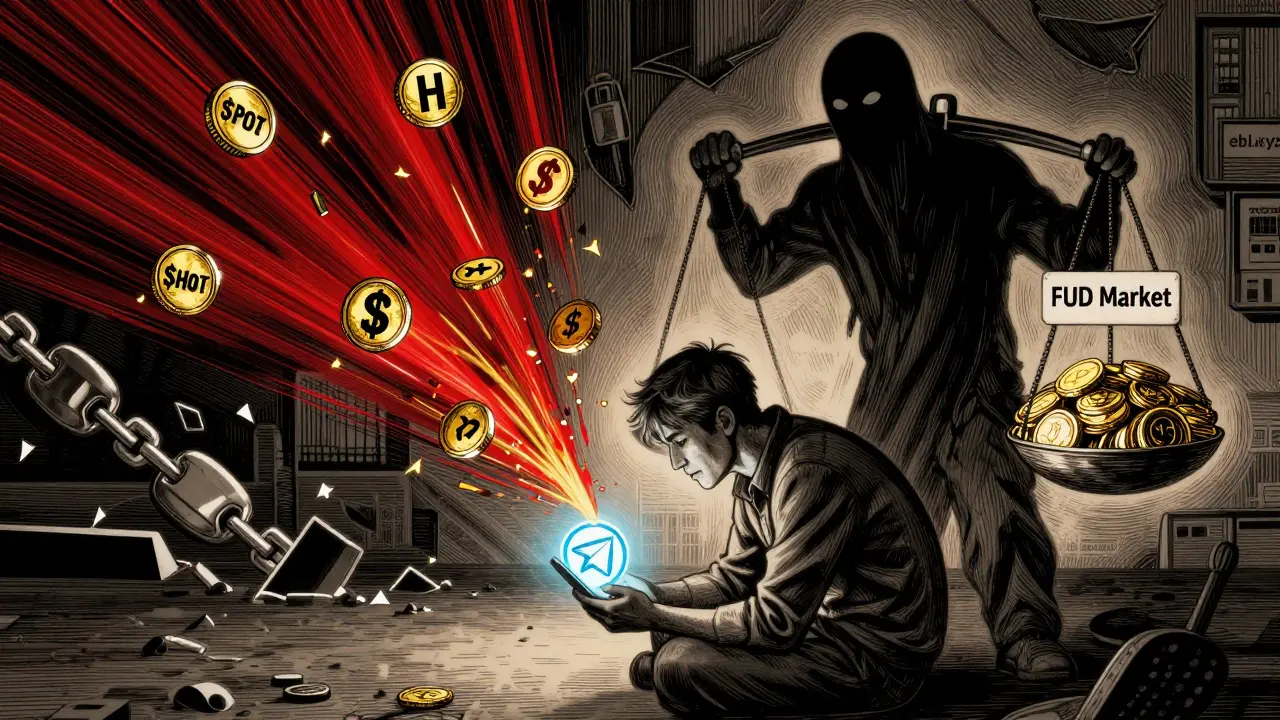
Ebi.xyz Crypto Exchange Review: High-Risk Meme Coin DEX with Telegram Integration
Ebi.xyz is a high-risk, non-custodial DEX for trading meme coin perpetuals via Telegram, offering no KYC and a unique short-only market - but with anonymous ownership and poor user reviews, it's more gamble than platform.

Aerodrome Finance Crypto Exchange Review: Is It the Best DEX on Base?
Aerodrome Finance is the leading decentralized exchange on the Base blockchain, offering low fees, high yields, and a unique veToken system that rewards long-term participation. Learn how it works, how it compares to Uniswap, and whether it's right for you.
BEPSwap Crypto Exchange Review: The First BSC DEX That Disappeared
BEPSwap was the first DEX on Binance Smart Chain, offering low fees and fast swaps-but it vanished in 2021 with no warning. Learn why it failed, what happened to users' funds, and the lessons it left behind.

C3 Crypto Exchange Review: What You Need to Know Before Trading
C3 crypto exchange offers self-custodial, cross-chain trading but lacks transparency in fees, security, and regulation. Learn what's known, what's missing, and whether it's safe to use.

Amaterasu Finance Crypto Exchange Review: Is It Still Operational?
Amaterasu Finance crypto exchange has zero trading activity, a trust score of 2, and no user base. It's not operational. Avoid it and use proven DEXs like Uniswap or PancakeSwap instead.

What is Icopax ($IPAX) Crypto Coin? A Real-World Guide to the Telegram-Based DEX Token
Icopax ($IPAX) is a Telegram-based crypto token for frictionless, no-KYC trading in emerging markets. With low liquidity and no exchange listings, it's a tool for micro-traders-not investors.