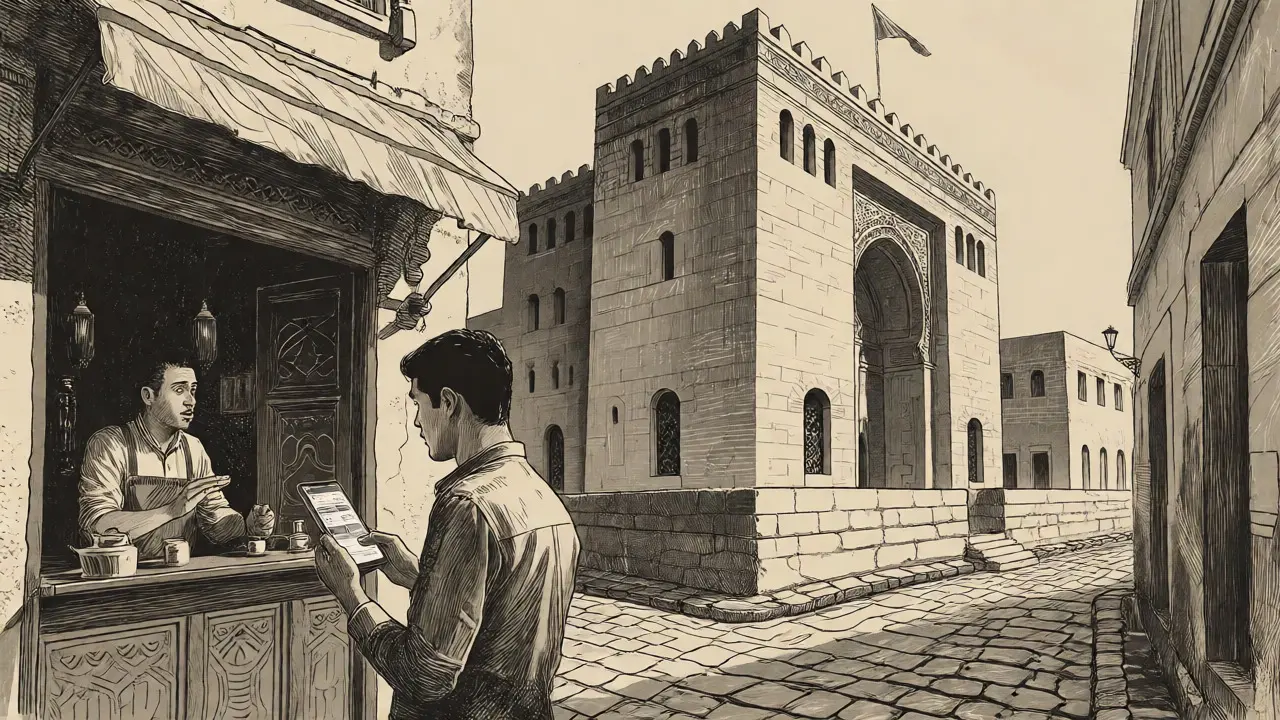
Imagine trying to buy a coffee with Bitcoin in Tunis. In most of the world, this is becoming routine. But if you try it in Tunisia, you aren't just facing a confused barista; you are potentially committing a crime that could land you in prison for up to five years. This isn't an exaggeration or a myth. Since May 2018, Tunisia has enforced one of the strictest cryptocurrency bans on the planet. While neighbors like Morocco and Algeria have similar restrictions, and global giants like El Salvador embrace digital assets, Tunisia stands firm in its prohibition.
If you are a trader, an expat, or just curious about why North Africa’s tech hub is so hostile to digital money, you need to understand the mechanics behind this wall. It’s not just a vague "don't do it" rule. It’s a complex web of central bank directives, banking blocks, and enforcement tactics that makes buying, selling, or even holding crypto a high-stakes gamble. Here is exactly how the ban works, what happens if you break it, and whether the tide might finally be turning.
The Core of the Prohibition: What Is Actually Illegal?
At the heart of the issue is a directive issued by the Central Bank of Tunisia (BCT). Unlike countries that regulate crypto as an asset class or a commodity, Tunisia treats it as an unauthorized currency. The law doesn’t just say "be careful." It explicitly prohibits any transaction involving virtual currencies without prior state authorization.
This blanket ban covers almost every angle of crypto activity:
- Public Trading: You cannot legally operate a crypto exchange within the country.
- Payments: Merchants cannot accept Bitcoin, Ethereum, or stablecoins for goods and services.
- Mining: Mining operations are targeted aggressively. Customs authorities can seize ASIC mining rigs at the border because they are viewed as tools for illegal financial activity.
- Holding: Even simply holding significant amounts of cryptocurrency can be interpreted as violating currency control laws.
The logic from the BCT is rooted in monetary sovereignty. They argue that allowing decentralized currencies undermines the Tunisian dinar and opens the door to capital flight-a major concern for an economy that has struggled with balance of payments issues. By banning crypto, the state ensures that all value flows through regulated channels where taxes can be collected and money laundering can be tracked.
Penalties and Enforcement: The Real Risks
You might wonder, "Do they really arrest people for buying a few hundred dollars' worth of Bitcoin?" The answer is nuanced. On paper, the penalties are severe. Violations of the 2018 directive fall under currency-control regulations, which carry fines and imprisonment terms of up to five years. Operating an unlicensed exchange or marketing tokens is treated similarly to running an illegal bank.
However, enforcement isn't always uniform. There have been high-profile cases that sparked public outrage. In 2021, a teenager was jailed for exchanging a small amount of cryptocurrency. This incident became a catalyst for debate, reaching cabinet-level discussions about decriminalization. It highlighted a disconnect between the rigid letter of the law and the reality of grassroots adoption.
For businesses, the risk is more immediate. Banks actively block card purchases at foreign exchanges. If your credit card is flagged for a transaction with Binance or Coinbase, the bank will likely reject it or freeze the account pending investigation. Financial institutions are barred from facilitating these transactions, meaning you cannot easily move fiat into crypto through traditional banking rails.
The Underground Market and Peer-to-Peer Reality
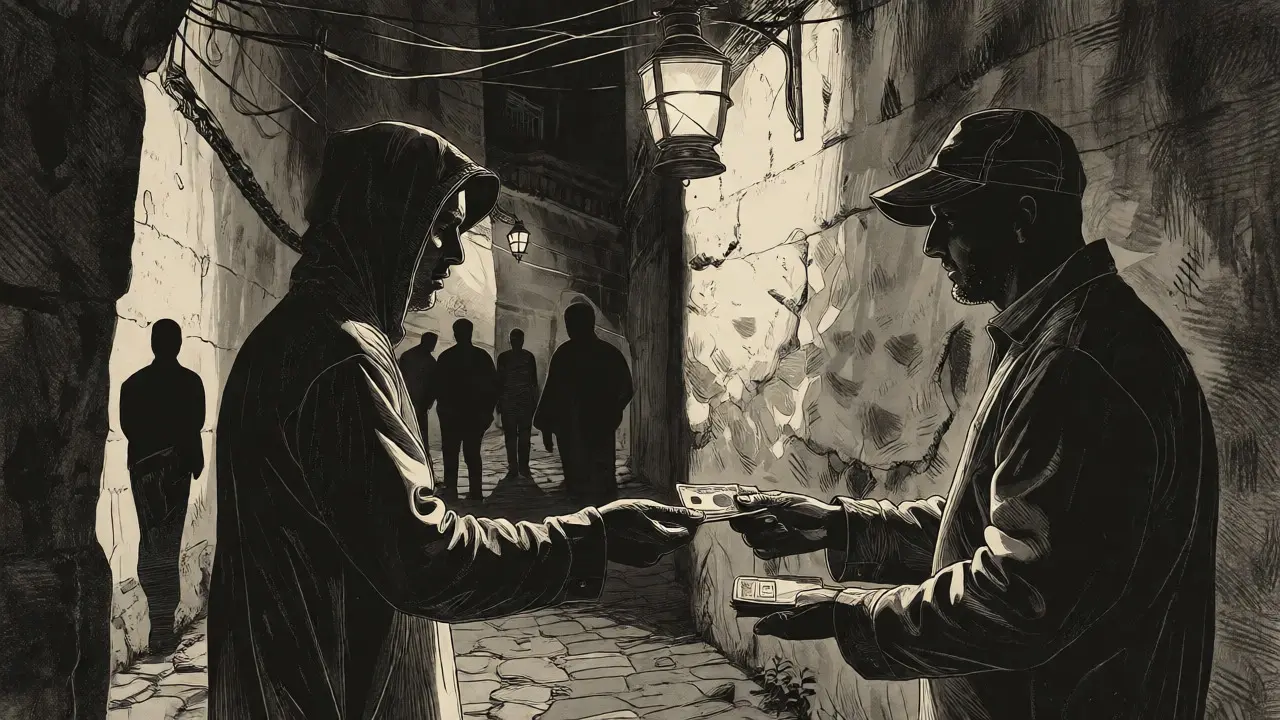
Despite the ban, cryptocurrency didn't disappear. It went underground. Before the formal 2018 prohibition, trading happened in peer-to-peer chat rooms. Today, a resilient underground ecosystem persists. Locals often use international platforms like Paxful or local Telegram groups to trade Bitcoin for cash. These transactions usually happen face-to-face or via informal escrow services to avoid banking trails.
But this comes with risks. Without regulatory protection, you are vulnerable to scams. There is no consumer recourse if an exchange rug-pulls you. Furthermore, converting mined coins or profits back into Tunisian dinars is tricky. If customs catches you bringing in hardware wallets loaded with significant value, or if bank transfers look suspicious, you could face scrutiny from the Tunisian Financial Analysis Committee (CTAF).
Compliance for those operating in the gray area is heavy. Businesses involved in fintech must adhere to strict Anti-Money Laundering (AML) checks. This includes Customer Due Diligence (CDD) and Enhanced Due Diligence (EDD) for high-risk clients. Know Your Customer (KYC) requirements mandate verification via National Identity Cards or passports, plus proof of address. Records must be kept for ten years. For many small traders, this bureaucratic overhead is too much, pushing them further into informal networks.
Blockchain vs. Cryptocurrency: A Critical Distinction
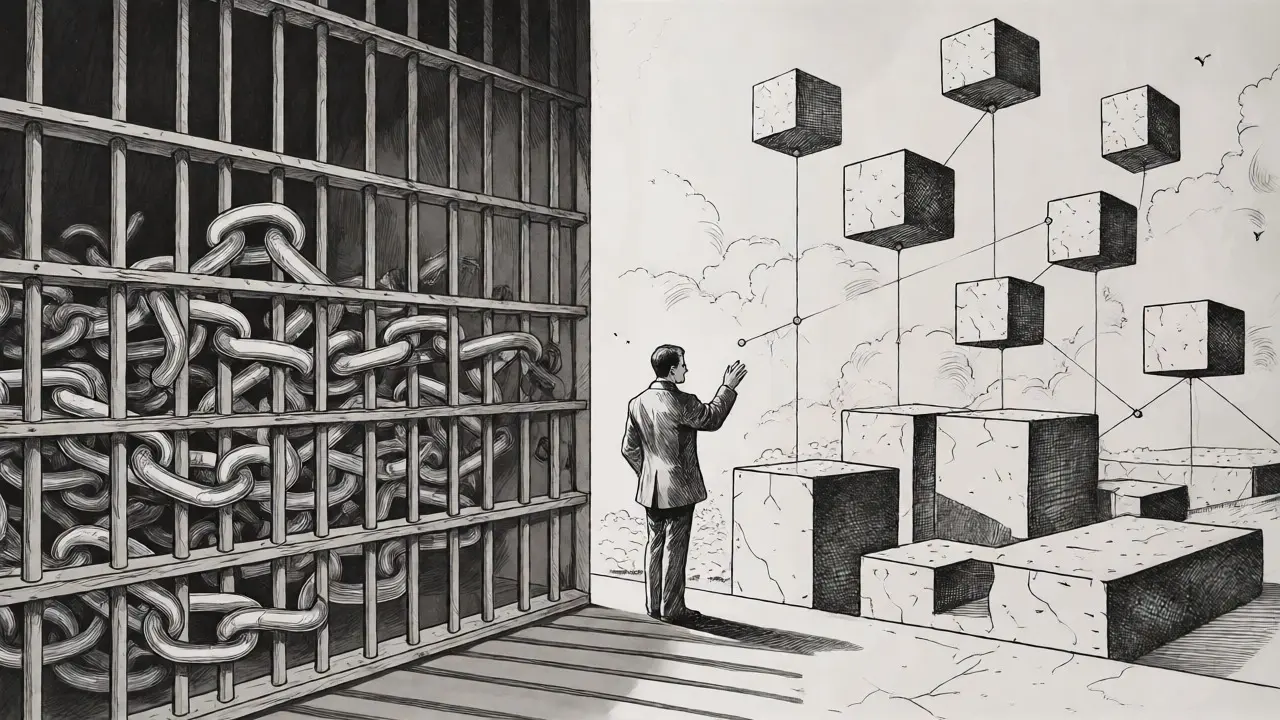
Here is where things get interesting. While Tunisia bans cryptocurrency, it hasn't banned blockchain technology. In fact, the government is exploring blockchain applications for non-monetary uses. This distinction is vital for understanding the future landscape.
In 2020, the BCT launched a regulatory sandbox. This program allows select fintech startups to test blockchain solutions under tight supervision. Companies like VFunder (creative crowdfunding), Hydro E-Blocks (carbon tracking), and No Phobos (AI-generated NFTs) have participated. These projects typically maintain their infrastructure outside Tunisia to comply with broader regulations but serve local needs.
The government sees potential in blockchain for:
- Land registry digitization.
- Supply chain transparency.
- Targeted subsidy distribution.
This suggests that policymakers are not anti-technology; they are anti-decentralized money. They want the efficiency of distributed ledgers without losing control over the monetary base. The "Digital Tunisia 2025" project specifically lists blockchain for record-keeping on permissioned ledgers, reinforcing this selective acceptance.
Global Context: Why Tunisia Stands Alone
To put Tunisia’s stance in perspective, look at the global map. Only about eight countries worldwide have total bans on cryptocurrency, including China, Qatar, Egypt, Algeria, Morocco, Nepal, and Bangladesh. Most other nations have moved toward regulation rather than prohibition.
| Country/Region | Regulatory Status | Key Feature |
|---|---|---|
| Tunisia | Total Ban | No legal status for crypto; criminal penalties for trading/mining. |
| El Salvador | Legal Tender | Bitcoin is official currency alongside USD. |
| Germany | Regulated Asset | Crypto is treated as private money; banks can offer custody. |
| Singapore | Regulated Utility | Strict licensing for exchanges; tax incentives for tech firms. |
| Kuwait | Partial Restriction | Banks prohibited from dealing, but private trading tolerated. |
While corporations like Microsoft, PayPal, and Tesla have integrated crypto into their ecosystems, Tunisia remains isolated. The Financial Action Task Force (FATF) provides frameworks for balancing innovation with AML concerns, models that Tunisia could adopt but currently resists due to fears of currency instability.
Is Change Coming? The Draft Bill and Future Outlook
As of 2025, signs of change are emerging. Parliamentary committees are considering a draft bill that would decriminalize cryptocurrency possession and create a licensing regime. This represents the most significant potential shift since the 2018 ban.
If passed, this wouldn't mean instant legalization of Bitcoin as tender. Instead, it might allow licensed entities to handle crypto transactions, separating the act of holding/trading from the act of using it as daily currency. The timeline remains uncertain, however. Policymakers are walking a tightrope between encouraging fintech innovation and protecting the fragile dinar.
For now, if you are in Tunisia, treat crypto as a speculative asset held offshore, not a payment method. Keep your footprint small, avoid large bank transfers linked to exchanges, and stay updated on legislative developments. The ban is real, but the conversation around it is louder than ever.
Is it illegal to own Bitcoin in Tunisia?
Technically, yes. The Central Bank of Tunisia’s 2018 directive prohibits virtual currency transactions without state authorization. While enforcement against individual holders varies, holding crypto violates currency control laws, and converting it to dinars can trigger penalties.
Can I buy crypto in Tunisia using my bank card?
It is very difficult. Tunisian banks are prohibited from facilitating cryptocurrency transactions. They actively block card purchases at foreign exchanges like Binance or Coinbase. Attempting to do so may result in rejected transactions or account freezes.
What are the penalties for breaking the crypto ban?
Violations can result in fines and imprisonment of up to five years under currency-control regulations. Operating an unlicensed exchange or mining operation faces stricter scrutiny, including seizure of equipment by customs authorities.
Does Tunisia allow blockchain technology?
Yes, selectively. While cryptocurrencies are banned, the government supports blockchain technology for non-monetary applications. The BCT regulatory sandbox allows startups to test blockchain solutions for supply chain, land registry, and traceability under strict supervision.
Will Tunisia legalize cryptocurrency soon?
There is ongoing debate. As of 2025, parliamentary committees are reviewing a draft bill to decriminalize possession and introduce licensing. However, no concrete timeline exists, and full legalization remains unlikely in the short term due to economic stability concerns.
Five years in prison for buying coffee with Bitcoin is absolutely insane and shows how disconnected regulators are from reality
Imagine being a young person in Tunisia right now wanting to participate in the global digital economy but getting treated like a criminal just for holding an asset
The fear of capital flight is real for them I get it but banning technology never stops innovation it just pushes it underground where it becomes harder to track
We saw this with alcohol prohibition and we see it with crypto bans all over the world they create black markets instead of regulated ones
Tunisia has such a smart educated population that could be leading in fintech if they weren't shackled by these outdated monetary policies
It breaks my heart to see potential stifled because of bureaucratic inertia rather than genuine economic necessity
The distinction between blockchain tech and crypto currency is key here though because they seem to understand one part but not the other
If they would just regulate exchanges properly they could capture tax revenue and protect consumers without throwing the baby out with the bathwater
Young Tunisians are likely using VPNs and foreign wallets anyway so the ban is more symbolic than practical for the tech savvy
We need to support inclusive financial systems that allow people to choose their own money tools
This isn't about anti-state sentiment it's about personal sovereignty over your own labor and savings
Let's hope the draft bill passes quickly because every day of delay costs opportunities for the whole region
Actually you're missing the point entirely about monetary sovereignty which is crucial for developing nations
The Central Bank of Tunisia isn't just being stubborn they are protecting a fragile dinar that has faced massive devaluation pressures recently
If you let Bitcoin flow freely without controls you invite speculative bubbles that can wreck an economy overnight look at Argentina or Turkey
Crypto isn't some neutral tool it's a volatile asset class that doesn't play nice with fixed exchange rate regimes
The BCT knows what they are doing even if it looks harsh from a Western liberal perspective
Capital flight is not a myth in North Africa it's a historical trauma that shapes policy decisions today
You can't just compare Tunisia to El Salvador because their fiscal situations are completely different animals
El Salvador has dollarized its economy so adding Bitcoin was less risky than adding it to a floating currency system
Tunisia needs stability first before it can afford the luxury of decentralized finance experiments
The penalties are high precisely because they want to deter casual speculation that drains foreign reserves
People complaining about five year sentences ignore that most enforcement targets large scale illegal banking operations not individuals
It's easy to judge from the US where our reserve currency status shields us from these kinds of existential monetary threats
Until Tunisia stabilizes its balance of payments this ban is actually a rational defensive maneuver not an irrational fear
Don't mistake caution for ignorance the policymakers there are well aware of global trends and choosing protectionism deliberately
Good on them for standing up to the globalist crypto push
Why should any sovereign nation bow down to unregulated digital tokens controlled by anonymous whales
They are protecting their own economy from American financial imperialism disguised as tech innovation
Look at how the Fed prints money and dumps inflation on the rest of the world while preaching free markets
Tunisia is right to keep control of its money supply instead of letting Silicon Valley dictate terms
Every country that jumped on the crypto bandwagon got burned eventually except maybe the speculators who exited early
Real men build national industries not speculative gambling dens for internet money
Keep the borders closed to virtual currencies and keep the dinar strong
Globalists hate when countries say no to their borderless money schemes
This is exactly the kind of patriotic economic nationalism we need more of everywhere
I think both sides have valid points here honestly
The concern about monetary sovereignty is legit especially for smaller economies vulnerable to shocks
But a total ban feels too blunt and might stifle local innovation in blockchain tech which they do seem interested in
Maybe a middle ground like licensing specific exchanges would work better than a blanket prohibition
It seems like they are trying to separate the technology from the currency aspect which is smart
Hopefully the new draft bill finds a way to protect the dinar while allowing some crypto activity under strict rules
Communication between the central bank and the tech community needs to improve so everyone understands the goals
There is room for compromise that respects both stability and progress
Let's wait and see how the legislation evolves before judging too harshly either way
Diplomacy and gradual implementation usually lead to better outcomes than sudden shifts
Everyone wants prosperity just disagreeing on the best path to get there
Money is merely a social contract and when the state violates that contract through excessive control the individual seeks alternatives
The essence of currency lies in trust yet when trust erodes due to inflationary policies people naturally migrate toward decentralized stores of value
To prohibit this migration is to misunderstand the fundamental nature of human economic behavior which resists coercion
True freedom includes the freedom to choose one's medium of exchange without state permission
The moral hazard of fiat currency allows governments to dilute wealth silently thus justifying the search for honest money
When laws contradict natural law they become oppressive regardless of their legislative origin
The dignity of the individual rests upon the autonomy of their economic choices
A society that fears competition from sound money reveals its own insecurity regarding its fiduciary responsibilities
Justice demands that citizens be allowed to preserve their labor against the erosion of state-managed value
The future belongs to those who embrace voluntary exchange rather than compulsory compliance
Thus the ban is not merely an economic error but a moral failing in recognizing inherent rights
Only through the lens of ethical consistency can we evaluate the legitimacy of such prohibitions
The pursuit of liberty requires courage to challenge established norms that serve power over people
In conclusion the trajectory favors decentralization as history tends toward greater individual empowerment
Wake up sheeple
It's not about economics it's about control
The IMF is pulling strings behind the scenes
They want total surveillance of every transaction
Crypto threatens the elite's ability to monitor movement
Ban it to keep the masses dependent
Look at who benefits from the status quo
Big banks lose power with decentralization
So they lobby for strict laws
Tunisia is just a puppet in this game
Follow the money trail always
The draft bill is a distraction tactic
Nothing will change until the system collapses
Stay skeptical of official narratives
The truth is hidden in plain sight
They fear what they cannot print
Resistance is futile for the establishment
Hold your keys hold your freedom
The matrix is closing in
Don't believe the hype about regulation
It's all a smokescreen for deeper issues
This is such a fascinating case study for anyone interested in emerging markets
Tunisia has incredible talent and infrastructure potential that could really shine with the right regulatory framework
I love seeing the government explore blockchain for land registry and supply chains because that addresses real pain points
It shows they are not anti-tech just cautious about monetary implications which is understandable
With proper education and phased rollout they could become a regional hub for compliant fintech solutions
The resilience of the P2P market proves there is genuine demand that deserves formal recognition
Supporting local startups in the sandbox environment is a great step forward toward maturity
Let's celebrate the progress made so far while encouraging continued dialogue between stakeholders
Optimism is warranted here because the foundation for change is already being laid carefully
Together we can help bridge the gap between traditional banking and digital assets responsibly
The future looks bright if they maintain this balanced approach to innovation
Kudos to the teams working on Hydro E-Blocks and VFunder for pushing boundaries
Small steps lead to big transformations over time
Let's keep supporting positive developments in North African tech ecosystems
Change is happening even if it moves slowly
We should remain hopeful and constructive in our discussions
Every conversation helps raise awareness and understanding globally
Onward and upward together
The journey matters as much as the destination
Let's stay engaged and supportive of these efforts
Great article highlighting the nuances involved
From a technical compliance standpoint, the situation in Tunisia presents unique challenges for international firms
The distinction between cryptocurrency trading and blockchain adoption is legally significant and strategically important
Companies operating in the gray zone must prioritize robust AML/KYC protocols to mitigate legal exposure
The Central Bank's stance reflects broader concerns about foreign exchange management common in many developing economies
Investors should consider jurisdictional arbitrage strategies given the restrictive local environment
Holding assets offshore while utilizing local blockchain applications is a viable workaround for now
The regulatory sandbox initiative demonstrates a willingness to experiment within controlled parameters
Stakeholders must monitor parliamentary proceedings closely for signals of policy relaxation
Legal counsel specializing in MENA financial regulations is essential for navigating these complexities
Transparency in reporting transactions remains critical to avoid scrutiny from CTAF
The ten-year record keeping requirement adds administrative burden but ensures auditability
Future legislation may introduce tiered licensing structures based on transaction volume
Collaboration between public and private sectors will determine the success of any reform efforts
Due diligence is paramount before committing resources to Tunisian crypto-related ventures
Regulatory clarity will emerge gradually rather than through abrupt changes
Strategic patience is advised for long-term investors eyeing this market
Understanding local cultural attitudes towards money enhances business relationships
Adaptability is key to thriving in evolving regulatory landscapes
Continued engagement with local authorities fosters mutual understanding
Best practices from similar jurisdictions can inform local policy development
Professional advice tailored to specific operational models is recommended
Risk assessment frameworks must account for political and economic volatility
Documentation integrity protects against retrospective enforcement actions
Networking with local fintech communities provides valuable insights
Compliance culture should be embedded within organizational DNA
Long-term viability depends on sustainable business models aligned with local realities
dude this is wild
five years for bitcoin
that's crazy man
i heard about the teenager jailed
so sad really
but also kinda expected
governments hate losing control
they want everything taxed and tracked
crypto scares them
too much freedom
underground markets thrive though
people find ways
telegram groups are huge there
cash deals face to face
risky but necessary
no recourse if scammed
just gotta be careful
hardware wallets at customs
nervous moment every time
bank freezes are annoying
hard to move money out
fiat conversion nightmare
hope the bill passes soon
change takes time
patience is key
keep your head down
stay safe out there
tech moves fast
laws move slow
gap keeps growing
frustrating for traders
but life goes on
adapt or die
simple as that
good luck tunisians
you got this
hang in there
future is bright
maybe
who knows
wait and see
end of story
peace out
It is deeply moving to witness the tension between tradition and innovation in such a vibrant society
The fear of losing monetary identity resonates strongly with cultures that value stability above all else
Yet the longing for financial inclusion drives many toward the promise of decentralized systems
We must listen to the voices of ordinary citizens who feel trapped by rigid regulations
Empathy allows us to understand why policymakers hesitate to embrace radical change
At the same time compassion calls for flexibility to accommodate diverse economic needs
The underground market reflects a creative adaptation to constraints imposed from above
These informal networks demonstrate remarkable resilience and community spirit
Recognizing this ingenuity validates the struggles of everyday traders
Dialogue should center on bridging gaps rather than widening divides
Creating safe spaces for experimentation can alleviate fears of chaos
Gradual integration respects both heritage and aspiration simultaneously
Let us champion solutions that honor dignity and promote fairness equally
The path forward requires humility and openness from all parties involved
Shared prosperity emerges when barriers fall and connections strengthen
May wisdom guide the drafting of new laws that uplift rather than suppress
Hope springs eternal when communities unite around common goals
Together we can envision a future where choice and security coexist harmoniously
Let kindness and understanding illuminate the road ahead for Tunisia
Embrace the complexity with grace and determination
The human spirit thrives on opportunity and respect
Let us walk this journey with open hearts and minds
Transformation begins with acceptance and ends with liberation
Wishing peace and progress to all affected by these changes
May justice prevail in economic affairs as well as social ones
Believe in the possibility of balanced growth and harmony
Our collective empathy fuels meaningful change worldwide
Thank you for sharing this insightful perspective on a complex issue
Let continue to learn from each other across borders and beliefs
Unity in diversity strengthens our shared humanity profoundly